


India deploys 12 nuclear warheads on missiles in peacetime, says SIPRI
Global nuclear watchdog warns of growing reliance on atomic weapons as India's arsenal reaches 190 warheads
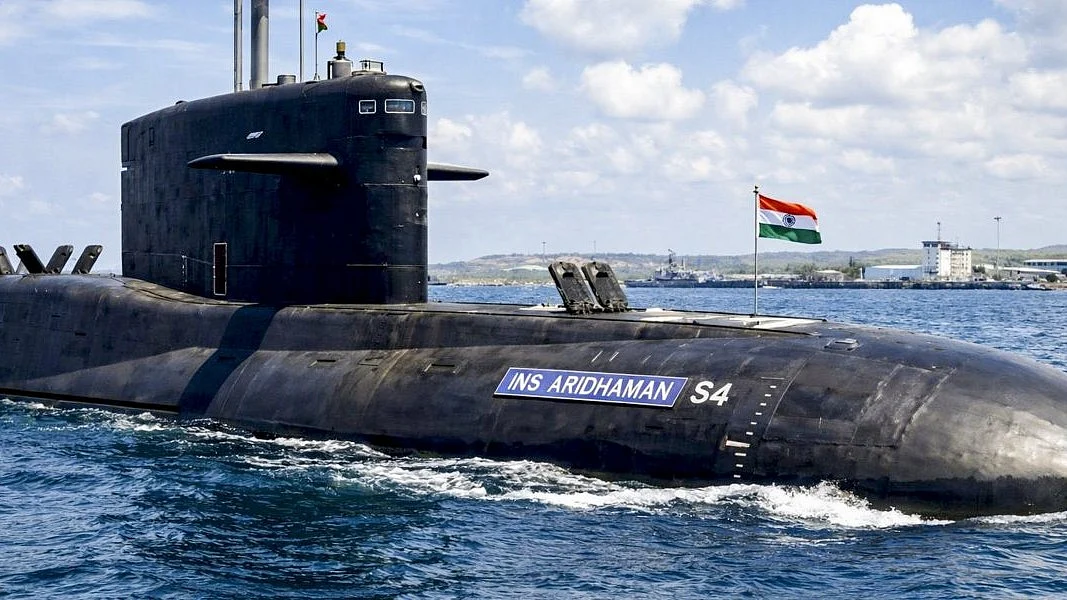


India may now occasionally deploy a small number of nuclear warheads mounted on missiles during peacetime, according to the Stockholm International Peace Research Institute (SIPRI), which has warned of a growing global reliance on nuclear weapons amid rising geopolitical tensions.
In its SIPRI Yearbook 2026, released on Monday, the Sweden-based think tank said India and China appear to have adopted limited peacetime deployment of nuclear warheads on missiles, marking a departure from earlier postures that largely kept warheads and delivery systems separated during normal conditions.
SIPRI estimated that India currently possesses 190 nuclear warheads, compared with Pakistan's 170 and China's 620.
The report's data indicate that India has deployed 12 nuclear warheads mounted on missiles during peacetime.
Globally, SIPRI estimated that of the world's 12,187 nuclear warheads as of January 2026, around 9,745 remained in military stockpiles for potential use.
Of these, approximately 4,012 warheads were deployed with missiles and aircraft, while the remainder were held in storage.
Around 2,100 to 2,200 deployed warheads were maintained on high operational alert, primarily by Russia and the United States. France and the United Kingdom also maintained a limited number of warheads at similar readiness levels.
India, Pakistan continue modernisation
SIPRI said India's nuclear modernisation programme is increasingly focused on developing longer-range systems capable of reaching targets across China, while continuing to address its long-standing strategic competition with Pakistan.
Also Read: Who can(not) have a nuclear weapon
The report noted that Pakistan continued developing new delivery systems and accumulating fissile material during 2025, suggesting a potential expansion of its nuclear arsenal in the coming years.
The findings come a year after Operation Sindoor, the military confrontation between India and Pakistan that ended after an 88-hour conflict.
SIPRI said the outbreak of conflict between two nuclear-armed neighbours has added fresh questions about traditional theories of nuclear deterrence.
Global nuclear risks rising
The report warned that decades of progress in reducing the role and number of nuclear weapons are being reversed.
According to SIPRI, all nine nuclear-armed states — the United States, Russia, China, India, Pakistan, the United Kingdom, France, North Korea and Israel — continued to modernise, expand or consolidate their arsenals during 2025.
SIPRI Director Karim Haggag said increasing dependence on nuclear weapons in national security strategies could significantly heighten global risks.
"Influential voices, including some world leaders, are advocating nuclear weapons as a guarantee against attack by a hostile state. But making national defence and security strategies dependent, or more dependent, on nuclear weapons could significantly increase nuclear risks," he said.
Haggag also warned that advances in weapons technology, the erosion of arms-control frameworks and growing geopolitical tensions were increasing the dangers associated with nuclear weapons worldwide.
Join our official telegram channel (@nationalherald) and stay updated with the latest headlines