


Indore water crisis: 20 new diarrhoea cases found; 142 hospitalised
Medical teams screened 9,416 residents from 2,354 households in the locality, where six confirmed deaths have fuelled fear and anger
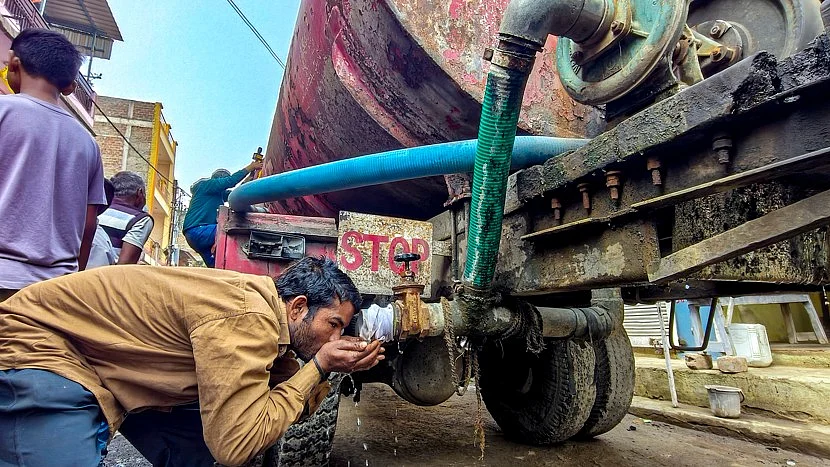


Under the shadow of a deepening civic crisis, Indore continues to grapple with a deadly diarrhoea outbreak triggered by contaminated drinking water, even as authorities claim the situation is now under control.
As many as 142 people remain hospitalised, including 11 battling for life in intensive care units, while health teams detected 20 new cases during an extensive door-to-door screening in Bhagirathpura — the epicentre of the outbreak.
Medical teams examined 9,416 residents across 2,354 households in the densely populated locality, where six officially acknowledged deaths have cast a pall of fear and anger. According to officials, a total of 398 patients were admitted to hospitals since the outbreak erupted, of whom 256 have since recovered and been discharged.
Chief medical and health officer Dr Madhav Prasad Haasani said a high-level team from the Kolkata-based National Institute for Research in Bacterial Infections (NIRBI) has reached Indore to investigate the crisis and provide technical assistance to contain the spread.
While the administration has confirmed six fatalities, the tragedy’s true toll remains contested. Mayor Pushyamitra Bhargava pegged the figure at 10, but local residents insist that at least 16 lives — including that of a six-month-old infant — have been lost to the waterborne disease.
The deaths have ignited a political storm across Madhya Pradesh. The Congress staged bell-ringing protests statewide, demanding the resignation of senior minister Kailash Vijayvargiya after his controversial use of the word “ghanta” while responding to reporters’ questions on the crisis on 31 December. The remark, widely interpreted in common parlance as dismissive and derogatory, drew sharp condemnation.
Congress leaders have sought a judicial inquiry and the sacking of Vijayvargiya, who holds the Urban Development and Housing portfolios and represents the Indore-1 constituency, which includes Bhagirathpura. State Congress president Jitu Patwari warned of a statewide agitation beginning 11 January if corrective measures were not implemented.
Patwari went further, demanding the registration of a culpable homicide case against Mayor Bhargava and concerned civic officials. “Sixteen people have died. These deaths represent the murder of the people’s mandate,” he said, alleging that residents had complained for eight months about contaminated municipal water without any remedial action. He also claimed that even tanker-supplied water remains unsafe.
Adding to the controversy, a sub-divisional magistrate (SDM) in neighbouring Dewas was suspended after allegedly reproducing portions of the Congress memorandum verbatim in an official order related to law and order arrangements during protests. Ujjain division revenue commissioner Ashish Singh termed the act “serious negligence and indifference” to official duty.
Meanwhile, renowned water conservationist and Magsaysay Award winner Rajendra Singh described the Indore tragedy as a “system-created disaster,” laying blame squarely on entrenched corruption and flawed urban planning. Popularly known as the “Waterman of India,” Singh expressed shock that such a calamity could strike a city repeatedly crowned India’s cleanest.
“If this can happen in Indore, imagine the condition of drinking water systems elsewhere,” he warned, alleging that contractors often lay water pipelines dangerously close to drainage lines to cut costs. Government officials later admitted that sewage overflow from toilets had seeped into water mains, triggering severe vomiting and diarrhoea.
Singh also sounded the alarm on Indore’s steadily declining groundwater levels. “When I first visited the city in 1992, I asked how long it would depend on Narmada water. That question haunts us today,” he said.
As Indore mourns its dead and counts the cost of systemic failure, the crisis has laid bare the fragile underbelly of urban infrastructure — a sobering reminder that cleanliness rankings cannot mask crumbling lifelines beneath the surface.
With PTI inputs
Join our official telegram channel (@nationalherald) and stay updated with the latest headlines