


Iran war stalls exports, hits Maharashtra farmers and traders
Grapes, mangoes, rice shipments disrupted; losses mount as produce floods local markets


The ongoing conflict in West Asia has severely disrupted agricultural exports from Maharashtra, leaving farmers and exporters grappling with mounting losses. Shipments of key produce — including grapes, bananas, watermelons, Alphonso (Hapus) mangoes, onions, rice and vegetables — have nearly come to a halt.
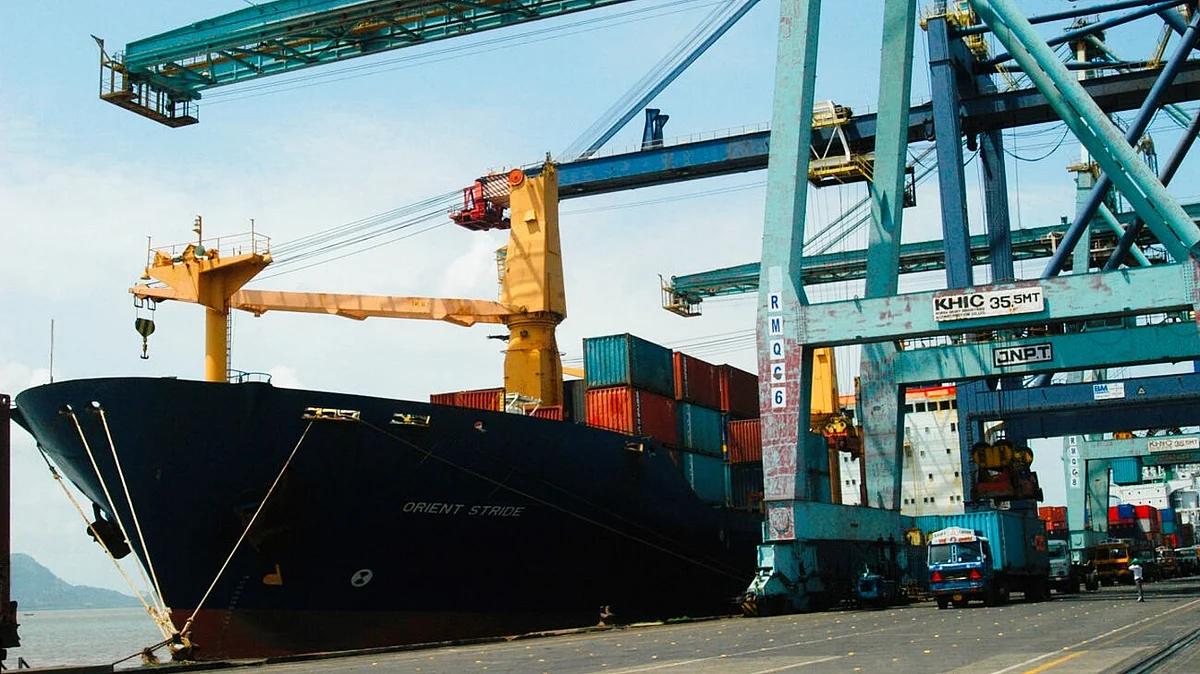
At Navi Mumbai's Jawaharlal Nehru Port Trust (JNPT), more than 1,000 containers remain stranded, according to industry sources. The disruption has particularly hit perishable goods, forcing farmers to sell produce in domestic markets at sharply reduced prices.
Exporters say hundreds of containers bound for Gulf countries are stuck at JNPT and other ports, affecting over 16,000 tonnes of grape exports alone. Maharashtra accounts for nearly 80 per cent of India’s grape exports, with Nashik serving as the primary hub. Demand typically peaks during Ramzan, when exports to West Asia are at their highest.
Kailash Bhosale, president of the Maharashtra Grape Growers Association, said rerouting of shipments has significantly increased transit time and fuel costs. “Container rates that earlier ranged between $600 and $1,800 (Rs 54,000 to Rs 1.64 lakh) have now surged to $4,000–$6,000 (Rs 3.6 lakh to Rs 5.5 lakh), or even higher,” he said, adding that insurance premiums for shipments to Europe and Russia have also risen sharply.
With exports stalled, farmers are being forced to offload produce in local markets at distress prices. The situation has been worsened by rising temperatures, which are damaging crops in the fields. Watermelon growers, who also see peak demand during Ramzan in Gulf markets, are facing similar losses due to the export freeze.
The impact is expected to be particularly severe for Alphonso mango growers in the Konkan region. Rajendra Tawde, secretary of the Konkan Vikas Pratishthan, which organises mango festivals, said exports of Hapus mangoes are unlikely this season due to the conflict. “This will result in significant losses for growers,” he said. Around Gudi Padwa, thousands of boxes of Alphonso mangoes were reportedly sold at low prices in Vashi’s agricultural market, with farmers also battling pest infestations.
Producers of bananas, papayas, onions and vegetables are similarly being forced to sell their produce at throwaway rates in local mandis.
The disruption has also hit the rice trade in eastern Vidarbha. More than one million tonnes of rice exports have reportedly been affected, causing distress among millers and traders. The region — comprising districts such as Gondia, Bhandara, Gadchiroli, Chandrapur and Nagpur — has around 1,100 rice mills and is a major export hub.
Rice from this belt is typically shipped to countries including Iran, Qatar, Saudi Arabia, Israel and South Africa. Sarvesh Bhutada, president of the Rice Millers Association in Gondia, said the district alone exports around 4 lakh metric tonnes of rice annually, with shipments worth nearly Rs 1,200 crore directed to Africa and Gulf markets. “Large quantities of rice had already reached ports for export but are now stuck,” he said.
While the Centre has announced a Rs 497 crore relief package for exporters, stakeholders remain uncertain about how much relief will actually reach farmers in Maharashtra, who are bearing the brunt of the disruption.
Join our official telegram channel (@nationalherald) and stay updated with the latest headlines