


Islamic State shifts focus to online radicalisation in TN, intelligence warns
Security agencies flag propaganda-driven recruitment via social media as a growing threat despite absence of planned attacks
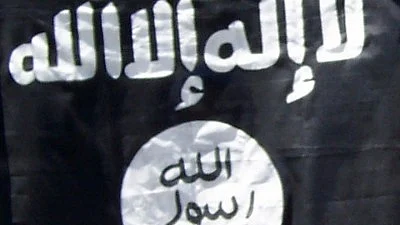


Indian intelligence agencies have warned that the Islamic State (IS) has adopted a more insidious strategy in Tamil Nadu, prioritising online indoctrination and radicalisation over direct attacks, a shift they say poses a serious long-term security risk.
According to intelligence assessments, extremist groups operating under names such as Black Flag Soldiers and Islamic State have established a significant presence on encrypted platforms like WhatsApp and Telegram. These groups are being used to disseminate propaganda and extremist material, creating what officials describe as a “quiet but dangerous” radicalisation ecosystem in the state.
Security officials say the current pattern is marked by an absence of imminent operational plots. Instead, the emphasis is on ideological grooming and expanding influence.
“The objective is not immediate violence but changing mindsets and building a larger base that can amplify propaganda,” an Intelligence Bureau official said, adding that this approach could prove more damaging in the long run.
Tamil Nadu has emerged as a focal point for IS-linked radicalisation in southern India. The state was linked to India’s earliest cases of citizens travelling abroad to join the group, including that of Haja Fakhruddin from Cuddalore, who later went to Syria. Investigators say one of the earliest radicalisation hubs associated with IS was also traced to the same region.
Officials point to the rapid spread of radicalisation networks since 2014, when images of youths from Tamil Nadu wearing IS insignia surfaced online. Intelligence inputs suggest that ideological influences, including Wahhabi doctrines, have helped extremist narratives gain traction in certain pockets of the state.
Concerns over such influences are not new. In 2015, a community organisation had written to the Tamil Nadu government warning of the growing presence of hardline ideologies in mosque management bodies and their potential impact on communal harmony. Authorities note that IS draws heavily from Wahhabi interpretations, heightening those concerns.
Recent investigations reinforce these fears. In a chargesheet filed by the National Investigation Agency (NIA), a Tamil Nadu resident was accused of running multiple online groups aimed at radicalising youth and promoting activities that threatened national security and communal peace.
Security agencies say the IS has used a similar model in Kerala, where deep-rooted radicalisation led to several individuals, including women, leaving India to join the group in Afghanistan. Officials fear a repeat if sustained monitoring is not maintained.
Beyond ideology, agencies believe the group is also scouting for recruits for its Islamic State Khorasan Province (ISKP), which remains active in the Afghanistan-Pakistan region. This has heightened vigilance in Tamil Nadu and Kerala, where authorities say young people are being specifically targeted.
Officials stress that constant surveillance, community engagement and de-radicalisation initiatives will be critical to countering the threat. “This is a battle for minds,” an official said, “and it requires early intervention before ideology turns into action.”
With IANS inputs
Join our official telegram channel (@nationalherald) and stay updated with the latest headlines