


Jaipur: 14 ICU patients shifted after water pipeline leak floods ward at SMS Hospital
Ten on ventilator moved to safety as officials blame corrosion in old underground pipelines
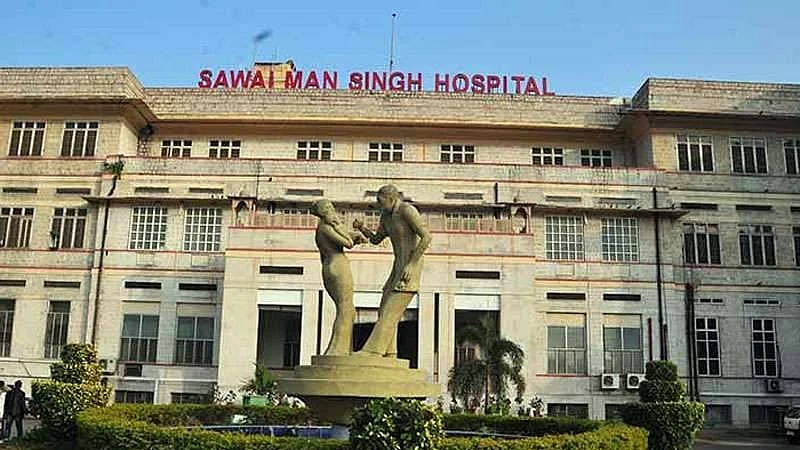


Fourteen critically ill patients, including 10 on ventilator support, were shifted out of the ICU (intensive care unit) at the government-run SMS (Sawai Man Singh Hospital) on Monday night after water leakage from a pipeline flooded the ward, hospital authorities said.
According to hospital staff, nearly six inches of water accumulated inside the ICU, raising concerns over patient safety and the risk of electric shock due to the presence of sensitive medical equipment.
The incident occurred at the hospital’s trauma centre, where officials said the problem stemmed from corroded underground pipelines that were laid decades ago when the area housed rooms and toilets.
Trauma Centre in-charge Dr B.L. Yadav said the old pipelines had been buried during later construction work and had deteriorated over time, eventually leading to the leakage.
“Due to the water accumulation, it became unsafe to keep patients in the ICU. Fourteen patients were immediately shifted to other wards, of whom ten were on ventilator support,” he said, adding that the damaged pipelines have since been repaired.
Hospital sources said the evacuation was carried out swiftly to prevent any untoward incident, particularly the risk of short-circuiting or electric shock.
Safety concerns resurface
The episode has renewed concerns about infrastructure safety in public hospitals, especially in critical care areas where even minor lapses can prove fatal.
While no injuries or casualties were reported in the SMS Hospital incident, doctors said the situation could have turned serious had the leakage continued for longer.
Officials said an internal review of ageing water and sewage pipelines in the trauma centre complex has now been ordered to prevent a recurrence.
Context of recent water-linked health crises
The incident comes close on the heels of a major water contamination crisis in Indore, where at least six people died and hundreds fell ill after consuming drinking water mixed with sewage.
In that case, authorities later found that a toilet constructed over a water main inside a police outpost had led to sewage seeping into the drinking water supply in the Bhagirathpura area, triggering severe outbreaks of vomiting and diarrhoea.
Public health experts have warned that repeated incidents of this kind point to a larger problem of poor maintenance of underground civic infrastructure, particularly in older urban centres where pipelines often run close to sewage lines.
What the hospital has said
Hospital authorities said immediate steps have been taken to restore normalcy at the ICU.
Damaged sections of the pipeline have been repaired.
Electrical systems in the affected area have been checked for safety.
A technical inspection of old buried pipelines is being planned.
Officials maintained that patient care was not compromised, as all critically ill patients were safely relocated in time.
However, the incident has prompted fresh questions about whether preventive audits of hospital infrastructure are being carried out regularly enough — especially in high-risk zones like intensive care units, operating theatres and emergency wards.
For now, operations at the trauma centre ICU have resumed, but the episode has once again highlighted how invisible failures below ground can quickly turn into life-threatening emergencies above it in overcrowded public hospitals.
Join our official telegram channel (@nationalherald) and stay updated with the latest headlines