


Karnataka tables Bill to curb hate speech; BJP protests in Assembly
Draft law proposes up to 10 years’ jail, empowers officials to block online content
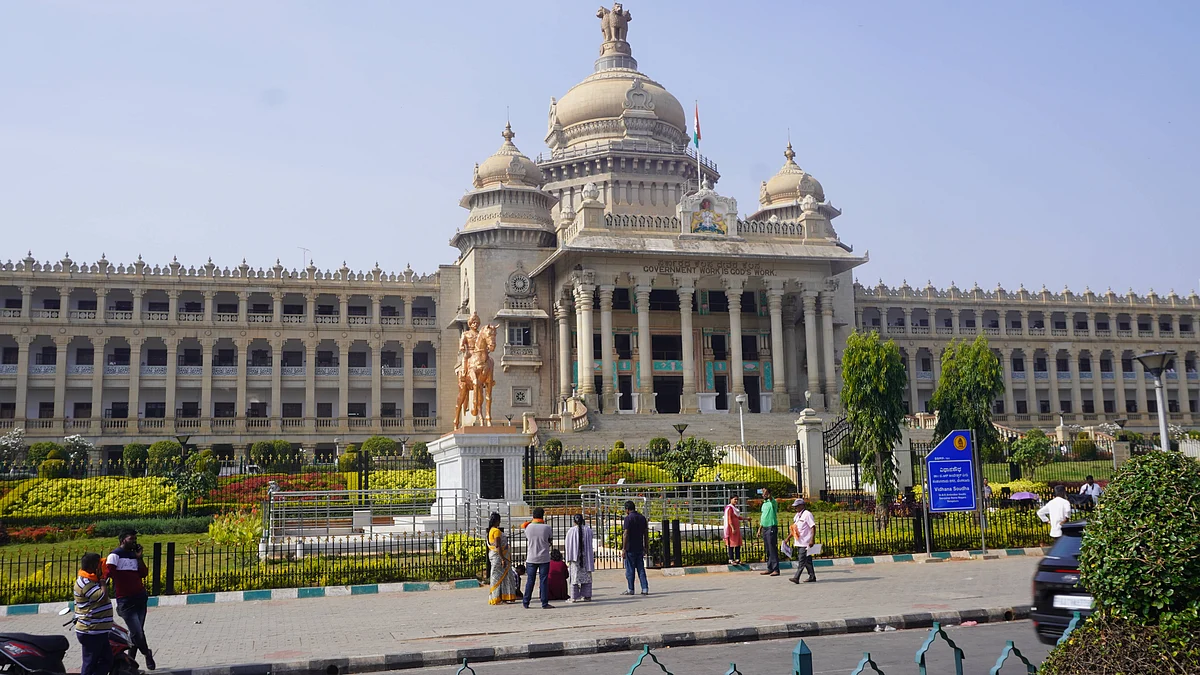


The Karnataka government on Wednesday introduced a sweeping hate speech prevention Bill in the Assembly, proposing strict jail terms and fines for offences, despite strong objections from the opposition BJP.
The Karnataka Hate Speech and Hate Crime (Prevention) Bill, 2025, cleared by the cabinet on 4 December, was tabled by Home Minister G. Parameshwara amid loud protests from BJP members.
When Speaker U.T. Khader put the tabling of the Bill to a voice vote, the BJP shouted “No”, and leaders such as Sunil Kumar demanded a division. The Speaker, however, proceeded with the tabling.
Speaking later, Deputy Chief Minister D.K. Shivakumar said the Bill reflects the government’s commitment to maintaining communal harmony.
“Hate speech cannot be allowed. We have to maintain peace, law and order in the state,” he said.
What the Bill defines as hate speech
The draft law lays out a wide definition of hate speech, covering:
Spoken or written words
Signs, visible representations, electronic communication
Any expression in public view
Content intended to cause injury, disharmony, hatred, enmity or ill-will
Biases based on religion, race, caste, community, sex, gender, sexual orientation, place of birth, residence, language, disability or tribe fall within the scope of “prejudicial interest” under the Bill.
Hate crime and punishment
The Bill categorises “hate crime” as communication, publication or circulation of hate speech, or any act that promotes, propagates, incites, abets or attempts such speech.
The proposed penalties include:
1 to 7 years’ imprisonment and a fine of Rs 50,000 for first-time offenders
2 to 10 years’ imprisonment and a fine of Rs 1 lakh for repeat offences
All offences will be cognisable and non-bailable.
Preventive powers and liability
The Bill gives wide preventive powers to Executive Magistrates, Special Executive Magistrates and Deputy Superintendents of Police, allowing them to act if they believe an individual or group is likely to commit an offence.
If an organisation is found guilty, every person responsible for its operations at the time of the offence will be deemed guilty unless they prove lack of knowledge or due diligence.
The Act will not apply to materials — books, pamphlets, writings, paintings, or figures — used for:
Scientific, literary, artistic or academic purposes
Bona fide heritage or religious activities
A designated officer, to be notified by the state government, will have the authority to direct intermediaries, service providers or individuals to block or remove hate-related content from electronic platforms.
The Bill is expected to trigger further political debate, with the BJP calling it a tool to curb free speech, while the Congress government insists it is essential to counter rising polarisation and protect vulnerable communities.
With PTI inputs
Join our official telegram channel (@nationalherald) and stay updated with the latest headlines