


Ladki Bahin beneficiary count falls by nearly 80 lakh after e-KYC exercise
Government attributes reduction to eligibility checks and non-compliance, while Opposition alleges fiscal stress
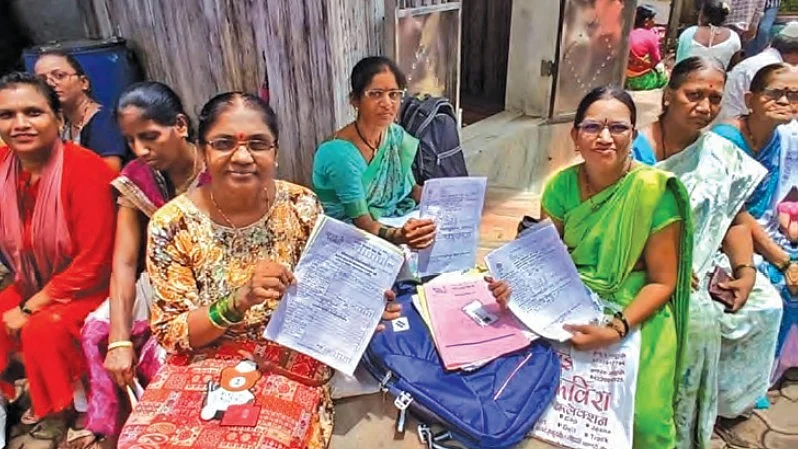


A political row has erupted in Maharashtra after the number of beneficiaries under the Mukhyamantri Majhi Ladki Bahin scheme declined sharply following a state-wide e-KYC verification exercise, with the Opposition alleging that the move reflects growing financial stress within the government.
Government officials, however, rejected the charge and said the reduction was largely the result of eligibility checks and non-compliance with mandatory verification requirements.
According to a senior official, the number of beneficiaries under the scheme has fallen from around 2.4 crore to nearly 1.7 crore following the April 30 deadline for completing e-KYC formalities. The government had provided beneficiaries with an eight-month window to complete the process.
The official said that between 50 lakh and 55 lakh women failed to complete the e-KYC procedure despite repeated opportunities. In addition, around 12 lakh beneficiaries were found to be income-tax payers whose annual income exceeded the scheme's eligibility threshold, while more than 4.5 lakh women had crossed the upper age limit of 65 years.
Authorities also identified approximately five lakh women who were already receiving benefits under the Namo Shetkari scheme, making them ineligible under existing norms. A further two to three lakh beneficiaries reportedly corrected errors in their records during the verification period.
Officials maintained that the reduction was not solely linked to incomplete e-KYC documentation and said complaints from women who had completed the process but allegedly missed monthly instalments were being examined.
"The final number of eligible beneficiaries will become clear within a week after all complaints and discrepancies are verified," an official said, dismissing claims that nearly 80 lakh women had been excluded only because they failed to complete e-KYC requirements.
The Opposition, however, questioned the government's explanation. Jayant Patil alleged that the reduction in beneficiary numbers pointed to a serious fiscal challenge facing the state administration.
Patil claimed that the scheme, which provides eligible women with monthly assistance of Rs 1,500, was launched ahead of the 2024 Maharashtra Assembly elections and that the subsequent removal of beneficiaries amounted to reneging on promises made to voters.
He argued that the state's widening fiscal deficit and broader economic pressures had forced the government to reassess expenditure commitments, adding that better planning could have prevented the current situation.
Similar allegations were made by Rohit Pawar, who accused the government of gradually reducing the beneficiary base with the eventual aim of winding down the scheme.
Pawar claimed that while the programme had more than 2.4 crore beneficiaries before the Assembly elections, nearly 81 lakh names had now been removed. He described the e-KYC exercise as a pretext and questioned why adequate verification procedures were not completed before beneficiaries were enrolled.
The MLA also warned the government against attempting to recover funds already disbursed to beneficiaries or taking any action that could inconvenience women who had received assistance under the scheme.
The Mukhyamantri Majhi Ladki Bahin scheme remains one of the Maharashtra government's flagship welfare initiatives, and the latest controversy is likely to intensify political debate over its implementation and future sustainability.
With PTI inputs
Join our official telegram channel (@nationalherald) and stay updated with the latest headlines