


Maharashtra ethanol producers warn of financial crisis over procurement curbs
Sugar industry says restrictions threaten investments and loan repayments, seeks support for conversion to multi-feedstock distilleries
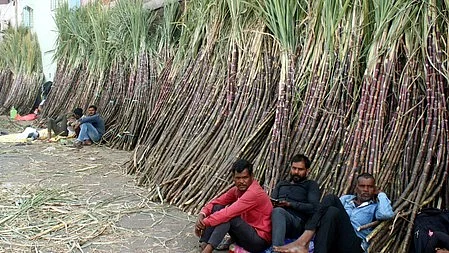


Maharashtra’s sugar and ethanol producers have warned of financial strain following restrictions on procurement of ethanol made from sugarcane juice, syrup and B-heavy molasses
Industry representatives say the change threatens investments and could undermine mills’ ability to repay loans
Cooperative mills are seeking support to convert distilleries into multi-feedstock facilities capable of processing maize and other grains
Maharashtra’s sugar mills and ethanol producers have warned that restrictions on procurement of ethanol from key sugarcane feedstocks could leave expensive distillery capacity idle and place borrowers under severe financial pressure.
According to industry representatives, procurement guidelines announced by oil marketing companies on 16 October exclude ethanol manufactured directly from sugarcane juice, sugar syrup and B-heavy molasses for the forthcoming supply year, which runs from 1November to 31 October.
The restrictions, intended to safeguard sugar availability, leave C-heavy molasses as the permitted sugar industry feedstock. Producers, however, say manufacturing ethanol solely from this material is commercially unviable at prevailing selling prices.
Industry sources estimate that nearly Rs 40,000 crore invested in ethanol manufacturing could be at risk. They argue that mills expanded capacity in response to government encouragement to help achieve 20 per cent ethanol blending in petrol and reduce dependence on imported fuel.
A chairman of a leading Maharashtra sugar cooperative said India had approximately 2,000 crore litres of annual ethanol manufacturing capacity, including 848 crore litres at grain-based plants. Nationwide investment in the sector stood at nearly Rs 1 lakh crore, he said.
He added that Maharashtra’s 16 standalone and grain-based distilleries together had annual capacity of about 56 crore litres.
Establishing a grain-based distillery capable of producing 60 kilolitres a day requires between Rs 120 crore and Rs 135 crore, according to the chairman. A 30-kilolitre facility costs approximately Rs 50 crore to Rs 60 crore.
Figures from the Maharashtra State Cooperative Sugar Factories Federation show that the state’s sugar factories have installed annual ethanol capacity of around 3,750 million litres. Supplies during the 2025–26 season totalled 1,250 million litres, roughly one-third of that capacity.
The procurement changes also complicate planning for the coming crushing season. A ministerial committee chaired by chief minister Devendra Fadnavis estimated that Maharashtra would have approximately 99 million tonnes of sugarcane available for crushing in 2026–27. Its sugar production forecast of 9.6 million tonnes assumed the diversion of 1.5 million tonnes of sugar towards ethanol.
Harshvardhan Patil, chairman of the National Federation of Cooperative Sugar Factories and a former Maharashtra cooperation minister, said producers had committed substantial funds to distilleries following the Centre’s policy push.
He claimed ethanol blending had saved Rs 2 lakh crore in foreign exchange and generated payments of Rs 1.75 lakh crore for farmers. Warning of wider consequences for lenders, he said the policy shift could put investments at risk and potentially create non-performing assets of up to Rs 1 lakh crore.
Sugar industry representative B.B. Thombare also criticised the decision, saying it threatened an ethanol economy developed over decades with sustained support from Union minister Nitin Gadkari. Temporary droughts and sugar shortages, he argued, required a response that protected the sector’s long-term viability.
Producers say the immediate challenge is meeting interest payments and repaying loans taken to build or expand facilities whose output now faces procurement restrictions.
Cooperative mills are seeking government assistance to convert their distilleries into multi-feedstock operations. The ability to process maize and other grains, alongside sugar industry feedstocks, would allow them to produce ethanol throughout the year.
With IANS inputs