


NIA raids 10 locations in Kashmir in Delhi terror blast case
As NIA presses on, the Valley awaits the next chapter in a case revealing a troubling nexus between academia and terror
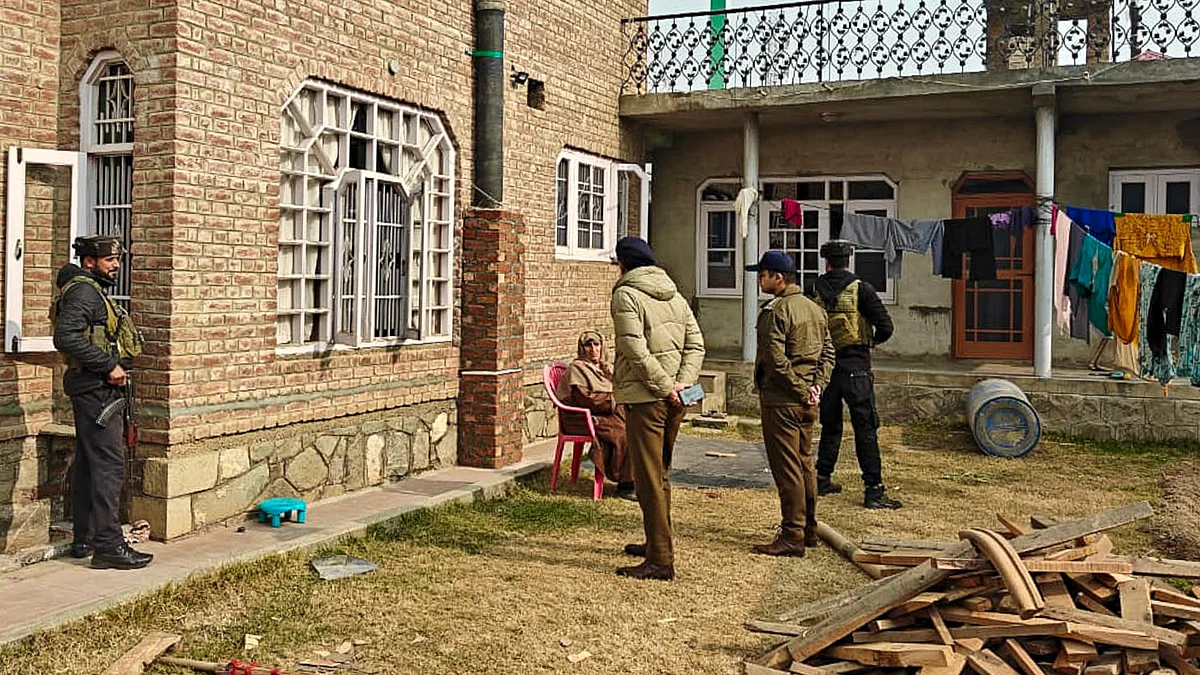


The National Investigation Agency (NIA), backed by Jammu & Kashmir Police and the CRPF, fanned out across Kashmir on Monday, sweeping through ten locations in a fresh push to unravel the Delhi terror blast case. The Valley woke to the hum of convoys and the clatter of search teams as investigators descended simultaneously on multiple villages.
Among the homes raided were those of Moulvi Irfan Ahmad Wagay, Dr Adil Rather, Dr Muzammil Ganai, Amir Rashid, and Jasir Bilal Wani. The operations stretched across Nadigam in Shopian and Koil, Chandgam, Malangpora, and Samboora in Pulwama—settlements now drawn into the shadows of a deepening terror probe.
Investigators are combing for clues that could reveal the full contours of what officials describe as a “white-collar terror module,” believed to be linked to the high-intensity blast that tore through a car near Delhi’s Red Fort on 10 November, killing 13 and injuring many more.
So far, NIA has arrested six individuals connected to the attack.
The explosive-laden i20 involved in the blast was driven by Dr Umar Nabi of Koil, who remains on the run after his associates — Dr Adil Rather of Qazigund and Dr Muzammil Ganai of Koil — were nabbed by J&K and Haryana Police during the dramatic bust of the Faridabad module.
What began as the arrest of two overground workers of Jaish-e-Mohammad in Kashmir led investigators hundreds of kilometres away, where the network of radicalised professionals allegedly operated from Al-Falah University.
The scale of the Faridabad haul stunned even seasoned officers: more than 2,900 kg of explosives, electronic detonators, and an array of devices — all quietly assembled under the guise of academia and medicine.
Among those arrested was Dr Shaheed Saeed, a pharmacologist from Lucknow who had married Dr Ganai and, according to officials, positioned herself within the terror module’s operations. Her story adds yet another layer of intrigue and tragedy to a sprawling investigation that cuts across states, professions, and unsuspecting communities.
As the NIA continues its search, the Valley — still echoing with the footsteps of investigators — waits for the next chapter to unfold in a case that has exposed an unsettling meeting point between scholarship and terror.
With IANS inputs
Join our official telegram channel (@nationalherald) and stay updated with the latest headlines