


Odisha: NHRC steps in after 12-year social boycott delays woman's last rites
Rights panel issues a notice to state's chief secretary, directing the government to submit a detailed report within two weeks
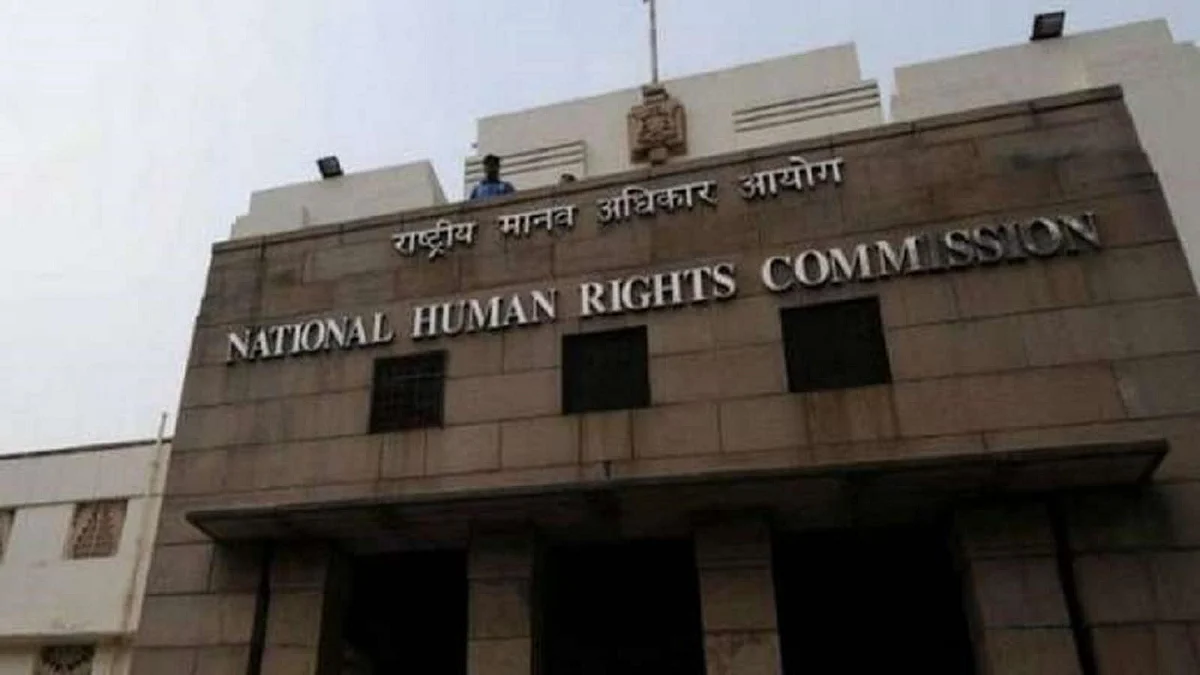


The National Human Rights Commission (NHRC) has sought an explanation from the Odisha government over the alleged social ostracisation of a family in Sundargarh district, a case that reportedly culminated in an elderly woman's last rites being delayed because villagers refused to assist her bereaved daughter.
Taking suo motu cognisance of media reports, the rights panel on Monday issued a notice to the state's chief secretary, directing the government to submit a detailed report within two weeks.
According to the NHRC, the woman, a resident of Mahuldiha village in Sundargarh, had allegedly lived under a social boycott for nearly 12 years. The ostracisation reportedly continued even after her death, with villagers refusing to participate in or support the performance of her final rites.
"The allegations, if true, raise a serious issue of violation of human rights," the commission said, while seeking an account of the circumstances that led to the incident and the steps taken by authorities.
The NHRC noted that the woman's last rites were eventually conducted only after intervention by the district administration and assistance from local non-governmental organisations.
The commission referred to media reports published on 11 June, which claimed that the family had been socially ostracised after failing to pay a penalty allegedly imposed by villagers. The punishment reportedly stemmed from an incident in which the woman's daughter had briefly left home with a man belonging to another caste.
What began as a village sanction allegedly evolved into a prolonged social boycott, leaving the family isolated for more than a decade. The reported refusal of villagers to support the funeral rites has now drawn national attention and triggered scrutiny from the country's apex human rights body.
Expressing concern over the prolonged ostracisation, the NHRC observed that the alleged discrimination persisted for years and appeared to extend beyond the woman's death, affecting her family's ability to conduct basic social and religious obligations.
The commission said it would examine the matter further after receiving the Odisha government's report and decide on the next course of action based on the findings.
With PTI inputs
Join our official telegram channel (@nationalherald) and stay updated with the latest headlines