


Optics vs reality: How defence lost ground in Nirmala's Budget 2026
Former finance minister P. Chidambaram’s long-standing critique appears increasingly hard to dismiss when the numbers are closely examined
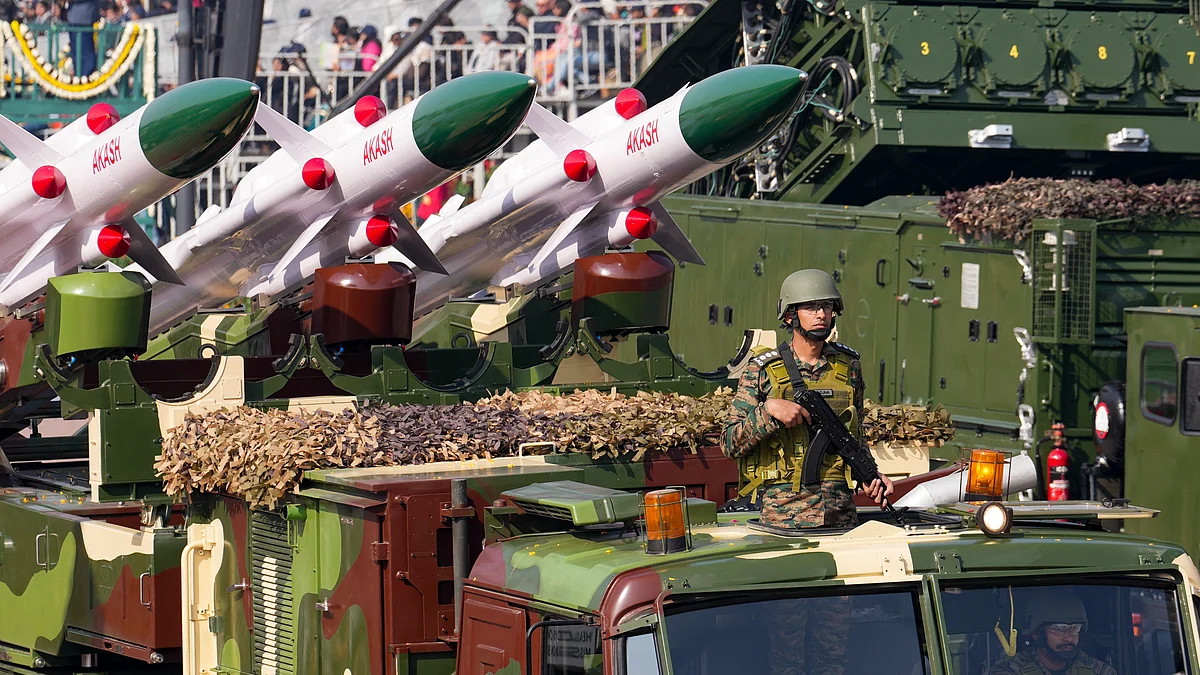


The Union Budget 2026-27 has once again revived a familiar debate: is India truly spending more on defence, or is the increase more optical than real? Former finance minister P. Chidambaram’s long-standing critique appears increasingly hard to dismiss when the numbers are examined beyond headline figures.
At first glance, the government’s claims look impressive. The defence outlay for 2026-27 has been raised to ₹7.84 lakh crore, a 15 per cent jump over last year. Capital expenditure for the armed forces has been enhanced sharply, with allocations for aircraft, aero engines and naval assets seeing notable increases. Defence Minister Rajnath Singh has linked this hike to the “historic success of Operation Sindoor” and growing security challenges from China and Pakistan.
Yet, as Chidambaram has consistently argued, absolute numbers do not tell the full story.
As a share of the Union government’s total expenditure, defence spending has declined over time. During the UPA government in 2013-14, defence accounted for around 16 per cent of the total expenditure. In the current budget cycle, it stands closer to 14-14.7 per cent. This suggests that defence, while growing in rupee terms, is losing relative priority in overall government spending.
The trend is even starker when defence expenditure is measured against GDP. In 2013–14, India spent roughly 2.25–2.3 per cent of its GDP on defence. The latest budget pegs defence spending at around 2 per cent of GDP—just a tad below that psychologically important threshold that strategic analysts have long considered the minimum for India’s security needs.
This context also explains why Union Finance Minister Nirmala Sitharaman did not mention defence even once in her 90-minute budget speech, despite it being the first budget after Operation Sindoor. The silence is telling.
Chidambaram’s point was never that defence spending has been cut in absolute terms. His argument was sharper: that relative to the size of the economy and the government’s own spending, defence has been steadily squeezed. The latest budget numbers, stripped of rhetoric, suggest he was right.
Join our official telegram channel (@nationalherald) and stay updated with the latest headlines