


Railways’ freight share at 28–30 pc, below global benchmarks: ASSOCHAM report
Industry body flags scope for growth; calls for capacity expansion, private participation
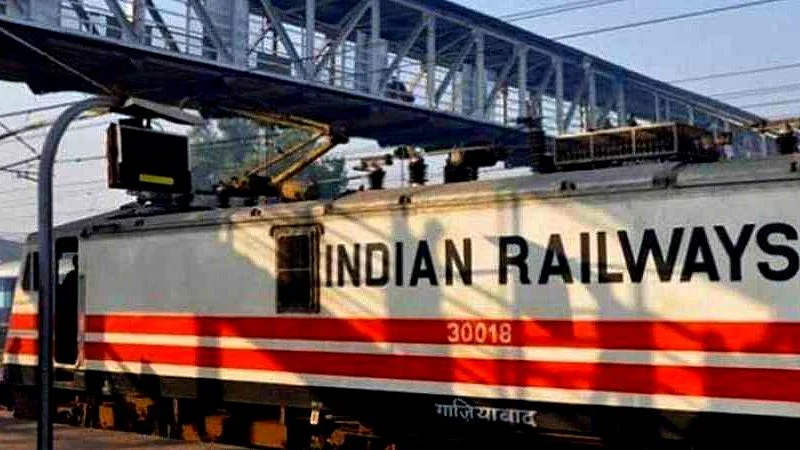


Railways account for 28–30 per cent of freight movement in India, significantly lower than global benchmarks, indicating substantial scope for growth, according to a joint report by ASSOCHAM and consultancy firm ASCELA.
The report, titled “Future Ready Railways for Viksit Bharat,” said India is targeting freight capacity of 3,000 million tonnes by 2030, with the sector undergoing accelerated transformation.
Scope for growth and reforms
The report said initiatives such as Dedicated Freight Corridors and near-complete electrification are improving efficiency and sustainability.
It emphasised the need to increase rail’s share in freight movement through capacity augmentation, expansion of Dedicated Freight Corridors, improved last-mile connectivity and greater private sector participation.
It also highlighted the need to reduce logistics costs, currently at 7.97 per cent of GDP, by leveraging railways as a cost-efficient and sustainable mode of transport
Conference and policy discussions
The report was presented at a national conference held in New Delhi, attended by policymakers, industry leaders and sector experts, according to ASSOCHAM.
Surendra Kumar Ahirwar, Executive Director (Traffic Commercial), Railway Board, said Indian Railways is undergoing a phase of accelerated transformation.
He said the sector is moving towards a more dynamic and future-ready system, while continuing to play a key role in economic development.
Industry perspective
Sanjay Bajpai said Indian Railways is transitioning from a traditional transporter to a driver of logistics efficiency and industrial competitiveness.
He said future priorities include strengthening infrastructure capacity, modernising terminals, enhancing connectivity with ports and logistics hubs, and enabling multimodal integration.
Sushil Nowal highlighted the need for seamless freight movement and emphasised the role of Dedicated Freight Corridors and near-complete electrification in improving efficiency.
Indian Railways has been focusing on infrastructure expansion and modernisation to increase freight capacity and reduce logistics costs as part of broader economic and industrial growth objectives.
Join our official telegram channel (@nationalherald) and stay updated with the latest headlines