


Supreme Court declines plea for nationwide menstrual leave policy
Bench says mandatory provision could affect women’s employment prospects; asks authorities to examine representation after stakeholder consultation
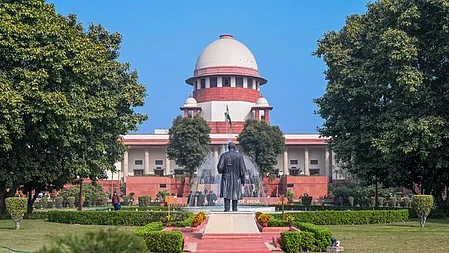


The Supreme Court of India on Friday declined to entertain a public interest litigation seeking a nationwide policy providing menstrual leave for women students and employees, cautioning that making such leave mandatory could negatively affect women’s employment opportunities.
A bench led by Chief Justice Surya Kant and Justice Joymalya Bagchi observed during the hearing that a compulsory legal provision might discourage employers from hiring women and could unintentionally reinforce gender stereotypes.
The court was hearing a petition filed by lawyer Shailendra Mani Tripathi, who sought directions to the Centre and states to frame rules ensuring paid menstrual leave for women across workplaces and educational institutions.
While disposing of the petition, the bench said the appropriate authorities could examine the representation submitted by the petitioner and consider the possibility of framing a policy after consulting relevant stakeholders.
During the hearing, the Chief Justice raised concerns about the social and professional implications of mandating such a provision through legislation. He noted that although affirmative measures aimed at supporting women are constitutionally recognised, a law requiring menstrual leave might create an unintended perception among employers.
According to the bench, if such leave were made compulsory by law, some employers might see it as an additional burden, which could affect hiring decisions and ultimately harm women’s career prospects.
Senior advocate M R Shamshad, appearing for the petitioner, argued that several institutions and state governments had already taken steps to accommodate menstrual leave. He referred to policies introduced in Kerala that provide relief for women students, and noted that some private companies have voluntarily adopted similar measures for employees.
The court acknowledged that voluntary initiatives by organisations were welcome but cautioned against imposing a uniform legal mandate without considering its broader consequences in the job market.
The bench also noted that since the petitioner had already submitted a representation to the relevant authorities, it was not necessary to seek a judicial direction repeatedly. It therefore closed the matter while allowing the competent authorities to take an appropriate decision on the request.
With PTI inputs
Join our official telegram channel (@nationalherald) and stay updated with the latest headlines