


Time has come for Uniform Civil Code: Supreme Court
Bench calls plea against Shariat law discriminatory provisions a strong case best left to legislature
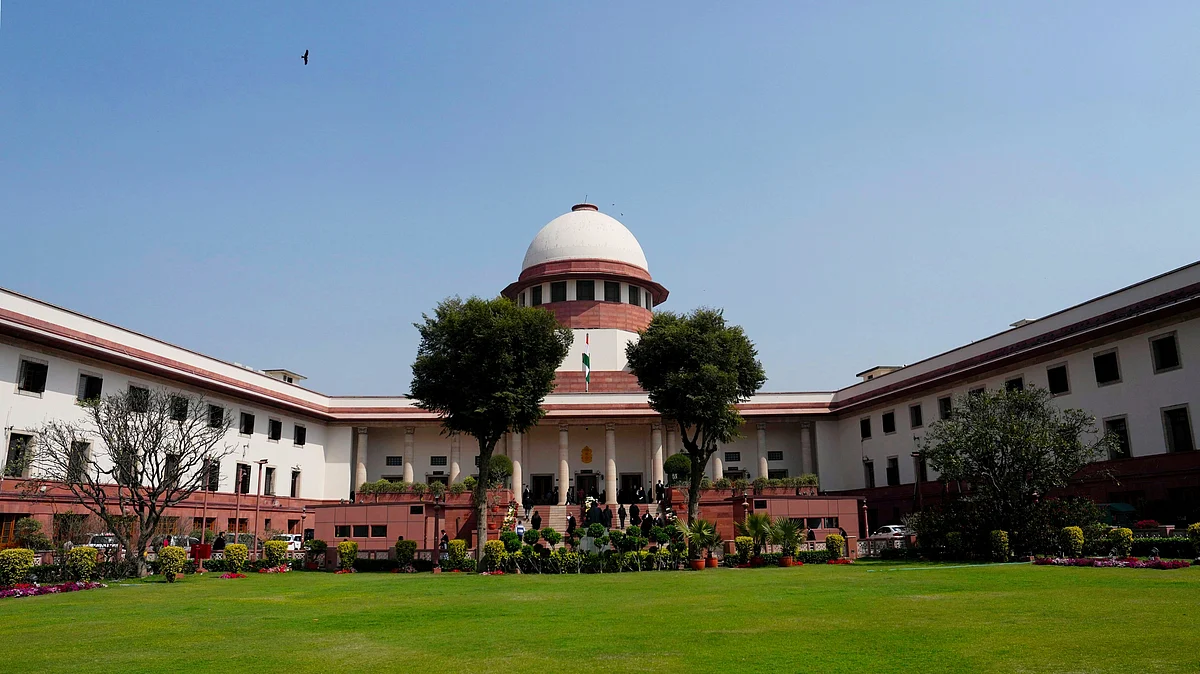


The Supreme Court on Tuesday observed that the time has come for a Uniform Civil Code (UCC), terming a plea seeking to strike down provisions of the Shariat law of 1937 as discriminatory to Muslim women a "very good case" best addressed by the legislature.
A bench of Chief Justice Surya Kant, Justice Joymalya Bagchi and Justice R. Mahadevan said striking down the Shariat inheritance law would create a legal vacuum, as no statutory law currently governs Muslim inheritance, according to the bench.
Chief Justice Kant told advocate Prashant Bhushan, appearing for the petitioners, "In our over-anxiety for reforms, we may end up depriving them, and they might end up getting less than what they are already getting. If the Shariat Act of 1937 goes away, then what is the question? Will it not create an unnecessary void?"
Bench favours legislative action
Justice Bagchi said, "You have a very good case on discrimination, but would it not be appropriate for the court to defer it to the wisdom of the legislature, which has the mandate to enact a Uniform Civil Code as per the Directive Principles of State Policy."
Chief Justice Kant replied, "The answer is Uniform Civil Code."
Justice Bagchi pointed out that the rule of 'one wife for one man' is not uniformly applied across communities, adding, "But does that mean that the court can declare all bigamous marriages as unconstitutional? So, we have to defer to legislative power to bring the directive principles into effect."
He further said this court has time and again recommended to the legislature to enact a UCC.
At the outset, Bhushan submitted that the court could declare Muslim women entitled to equal inheritance rights as men, with the Indian Succession Act applying if the Muslim Personal Law (Shariat) Application Act of 1937 is struck down, the bench noted.
The Muslim Personal Law (Shariat) Application Act, 1937 governs personal laws including inheritance for Muslims in India. Article 44 of the Constitution, under Directive Principles of State Policy, directs the state to endeavour to secure a UCC for all citizens. The court has repeatedly urged legislative action on UCC in prior judgments, though no such code has been enacted to date.
Join our official telegram channel (@nationalherald) and stay updated with the latest headlines