


Too little too late? Voter tribunals in Bengal begin work with lakhs in limbo
Appellate mechanism for ‘under adjudication’ voters faces impossible caseload, limiting chances of timely relief
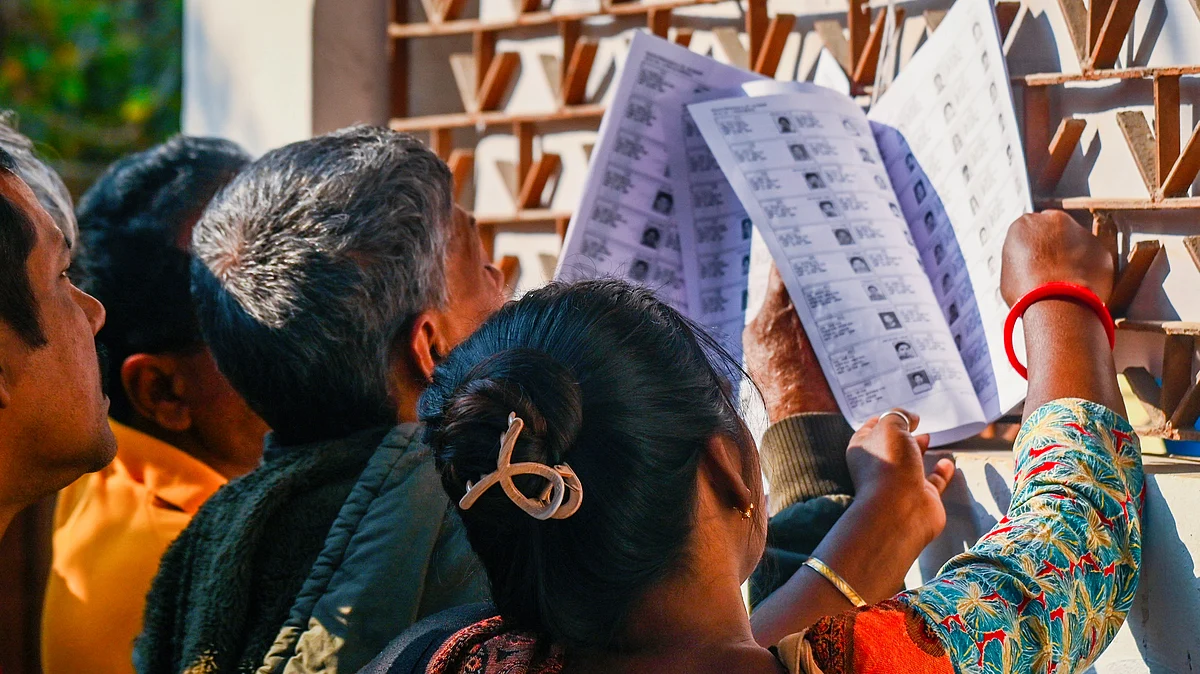


After months of delay and mounting uncertainty, appellate tribunals in West Bengal will begin functioning on Saturday, 4 April. The tribunals are meant to hear appeals of voters whose names remain stuck in the 'under adjudication' list even after scrutiny by election officials.
But the scale of pending cases suggests the mechanism may now be able to offer only symbolic relief, with voter rolls scheduled to be frozen on Monday, 6 April ahead of state Assembly elections on 23 and 29 April. Incidentally, 6 April is also the last day for candidates to file nominations.
The tribunals form part of the Election Commission of India’s Special Intensive Revision (SIR) of electoral rolls in the state, launched in November 2025 to ostensibly remove duplicate, ineligible, or outdated entries ahead of upcoming elections. Instead, the exercise has left lakhs of voters caught in prolonged verification processes, with many unsure whether they will be able to vote at all.
According to officials familiar with the exercise, around 60 lakh voters were initially placed in the adjudication list. The Election Commission has claimed that scrutiny has now been completed in most cases. However, sources indicate that roughly 40 per cent of these names may ultimately remain uncleared — leaving an estimated 24–25 lakh voters dependent on tribunal intervention.
That is where the arithmetic becomes stark.
A tribunal source told this correspondent that each of the 19 benches is unlikely to dispose of more than around 150 cases per day, given the need to examine documents such as proof of residence, identity records, and legacy electoral entries. Even under optimistic assumptions, clearing 25 lakh cases within the available timeframe appears unrealistic.
For many affected individuals, the problem has not been outright deletion but prolonged uncertainty. Names placed 'under adjudication' remain effectively frozen pending verification, leaving voters unable to confirm their electoral status despite having appeared on rolls for years.
Across districts, daily wage workers, elderly citizens, homemakers and migrant families have struggled to navigate repeated documentation requirements. Long queues have formed outside block-level officer offices and district administration centres as applicants attempt to establish eligibility through multiple rounds of paperwork.
“My husband worked 30 years in a factory but now he’s not a voter? How will we get our pension or rations?” asks Rina Sardar (55) from Kolkata's Behala, describing the confusion faced by her family.
The issue has also taken on political overtones. According to sources familiar with the process, initial hearings are expected to prioritise cases involving Congress candidates whose names remain under adjudication, preventing them from filing nominations for the Assembly polls. Several Congress functionaries approached the Supreme Court seeking directions to operationalise the tribunals after delays at administrative levels.
Veteran state Congress leader Pradip Bhattacharya welcomed the development. “Our leaders have been fighting for their democratic rights. This is a victory for all suppressed voices,” he said.
The BJP, however, maintains that the SIR exercise is necessary to remove bogus entries. Party leader Sankudeb Panda said the revision is aimed at “weeding out ghosts, not genuine voters”, citing figures suggesting more than 20 lakh names have been deleted statewide.
Members associated with the tribunal process acknowledge the complexity of adjudication cases. “We’ll conduct hearings online via video links, which helps reach remote areas. But each case needs careful scrutiny… one wrong call could disenfranchise a citizen forever,” said a retired high court judge on the panel. “I don’t think we’ll finish sorting everyone in time.”
Election analysts echo similar concerns. With lakhs of pending cases and limited disposal capacity, the appellate remedy risks becoming procedurally available but practically constrained.
Join our official telegram channel (@nationalherald) and stay updated with the latest headlines