


Why is the ECI’s transfer drive focused on non-BJP ruled states?
Opposition alleged that the pattern of transfers raises concerns about institutional neutrality
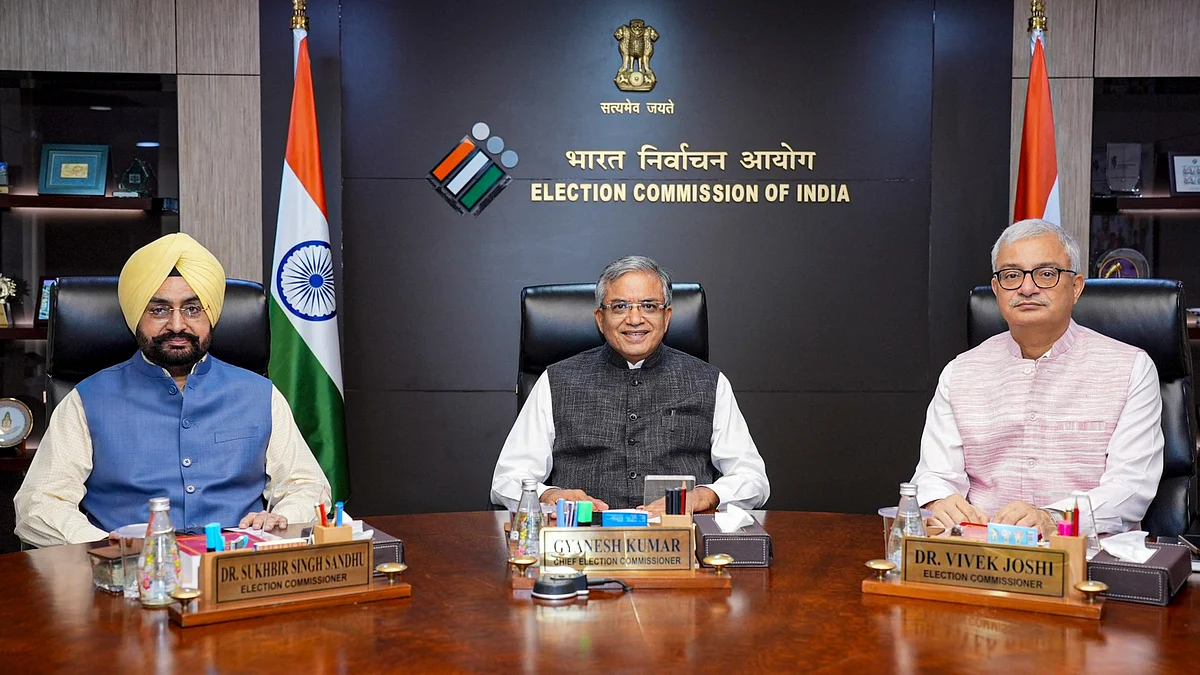


In a sweeping bureaucratic reshuffle ahead of crucial Assembly elections, the Election Commission of India (ECI) has ordered the transfer of top officials in opposition-ruled states, triggering a fresh political controversy over its neutrality.
On April 8, the poll body directed the transfer of Tamil Nadu Chief Secretary N. Muruganandam and Director General of Police (Armed Police, Vigilance and Anti-Corruption) S. Davidson Devasirvatham. They have been replaced by M. Sai Kumar and senior IPS officer Sandeep Mittal, respectively.
The ECI maintained that the reshuffle was part of routine poll preparedness. It also barred both Muruganandam and Devasirvatham from being assigned any election-related duties until the completion of the Assembly polls.
However, the move has drawn sharp criticism from the ruling DMK. Chief Minister M.K. Stalin termed the decision an “overreach” and accused the Commission of acting in a partisan manner.
“I strongly condemn the Election Commission… for engaging in a one-sided, overreaching political action,” Stalin said in a post on X, suggesting that the poll body was acting in a way that indirectly favours the BJP.
"It is unbecoming of the Election Commission to strive so eagerly to aid the electoral malpractices that the BJP, joining hands with AIADMK, plans to perpetrate in Tamil Nadu," he added.
Tamil Nadu’s 234-member Assembly is scheduled to go to polls on April 23.
The opposition AIADMK, however, backed the transfers. Party leader Edappadi K. Palaniswami questioned Stalin’s arguing that such reshuffles are standard practice during elections. He added that the AIADMK relies on public support rather than administrative machinery for electoral success.
The developments in Tamil Nadu are part of a broader pattern.
In West Bengal, another opposition-ruled state, the ECI has ordered the transfer of 483 administrative and police officials, including senior officers in key districts. The exercise, aimed at ensuring “free and fair polls,” has been upheld by the Calcutta High Court.
Yet, the Trinamool Congress (TMC) has alleged that the large-scale reshuffle is politically motivated and designed to benefit the BJP.
In contrast, in BJP-ruled Assam, the scale of transfers has been significantly smaller. Only five district police chiefs have been moved so far, along with a few district election officials.
This disparity has intensified criticism from opposition parties, which question the intent behind the ECI’s actions.
Critics argue that the Commission—once seen as a fiercely independent constitutional body—has increasingly come under scrutiny over issues ranging from EVM management to electoral rolls and SIR exercises.
Opposition leaders allege that the pattern of transfers raises concerns about institutional neutrality, especially when major administrative reshuffles appear concentrated in states governed by parties opposed to the BJP.
The ECI, however, has consistently maintained that such measures are essential to ensure a level playing field and prevent local administrative influence on the electoral process.
Join our official telegram channel (@nationalherald) and stay updated with the latest headlines