


Is India running on empty?
Three months into the West Asia conflict, the shortage of crude threatens to become a shortage of almost everything
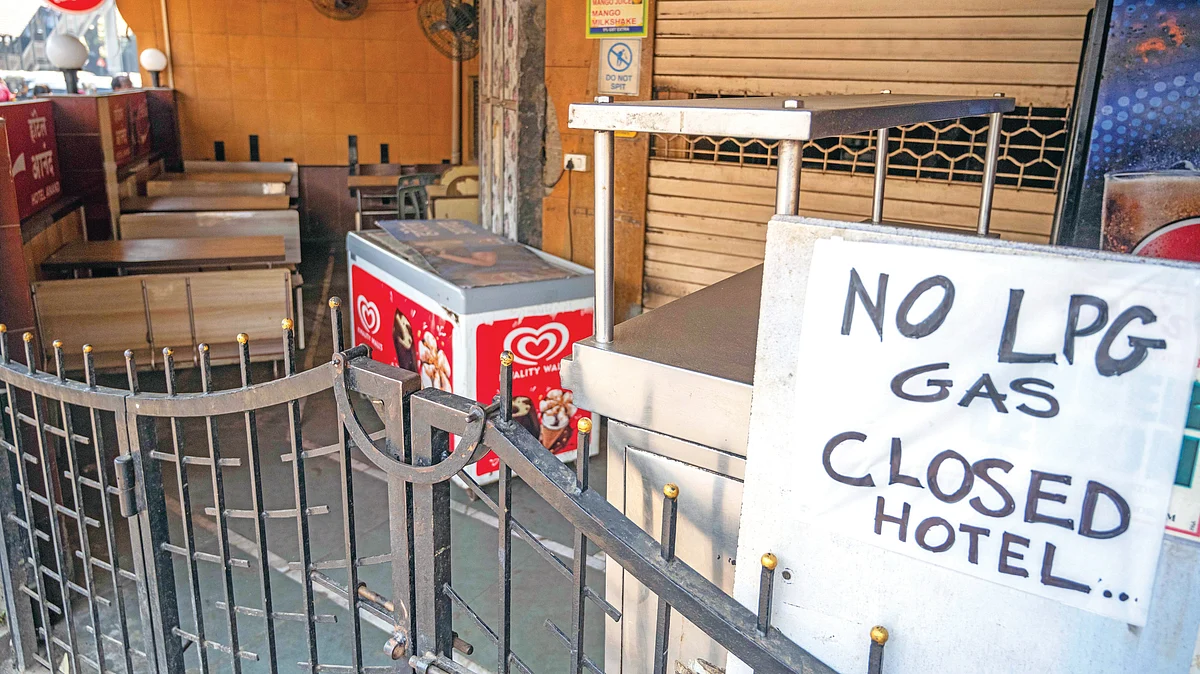


The LPG crisis is already an old story. In metropolitan cities such as Mumbai, Delhi and Bengaluru, cooking gas cylinders can be obtained, despite delays and repeat trips to distribution centres. In smaller cities and towns, long queues outside LPG depots have become a familiar sight. Yet, it’s the larger picture that’s even more troubling.
Across India, households are being forced to tighten their belts, businesses are cutting back operations, and policymakers are scrambling to prevent a supply shock from turning into a full-blown economic crisis.
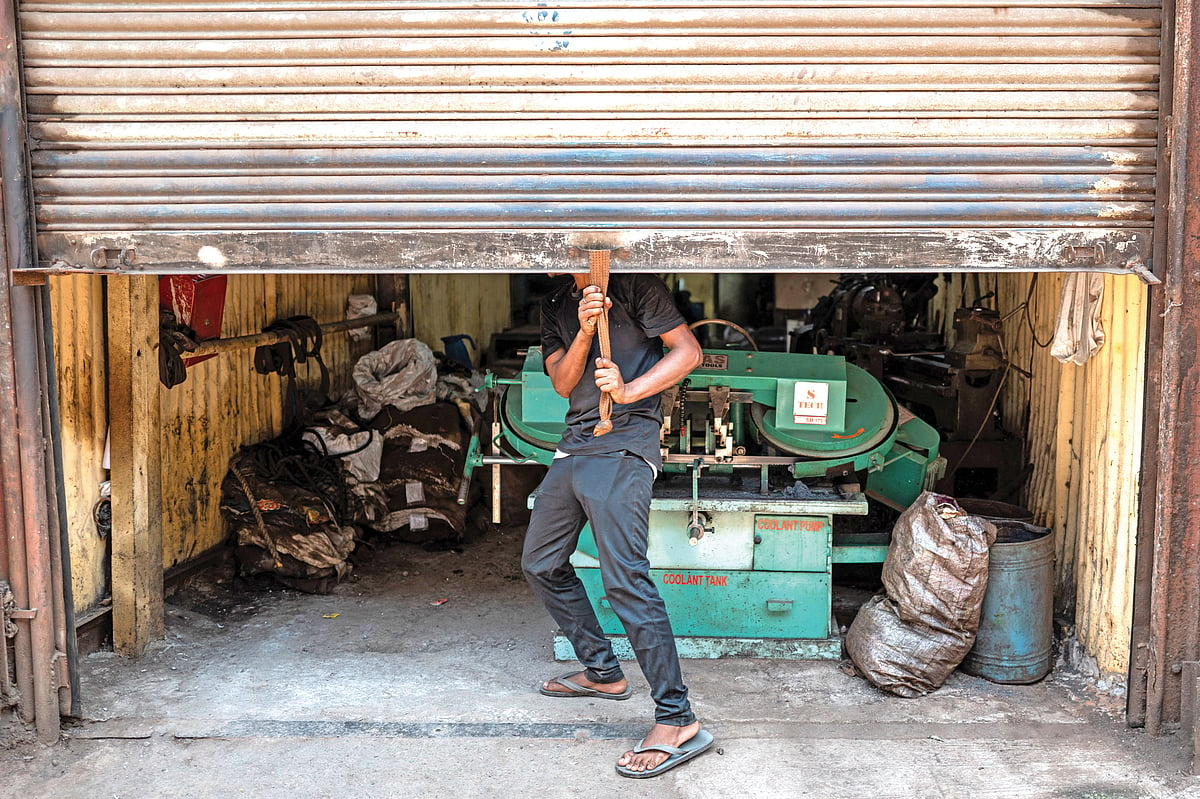
The first warning signs emerged in March. LPG and fuel shortages began affecting businesses, particularly small and medium enterprises. Industry associations reported that nearly 20 per cent of hotels and restaurants in parts of Mumbai had either shut down or drastically curtailed operations due to soaring energy costs and unreliable fuel supplies. In Gujarat’s industrial hub of Morbi, around 170 factories reportedly ceased operations, affecting close to one lakh workers.
For many small food vendors, survival meant adaptation. Many shifted from LPG to electric cooking systems. Sales of induction and infrared cooktops exploded. Daily sales that once averaged around 2,000 units surged to between one and two lakh units across the country.
But that ‘solution’ created a new problem.
With demand for electricity surging and fuel shortages affecting power generation, many cities and semi-urban areas are now experiencing prolonged power cuts in addition to routine load shedding. The shift from gas to electricity has merely transferred pressure from one stressed system to another.
Recognising the severity of the crisis, the Government of India invoked provisions of the Essential Commodities Act, 1955, allowing authorities to divert natural gas supplies to designated priority sectors. Whether this intervention will prove sufficient remains uncertain. Shortages are now spreading beyond kitchens and factories.

Also Read: Who really needs to make the sacrifices?
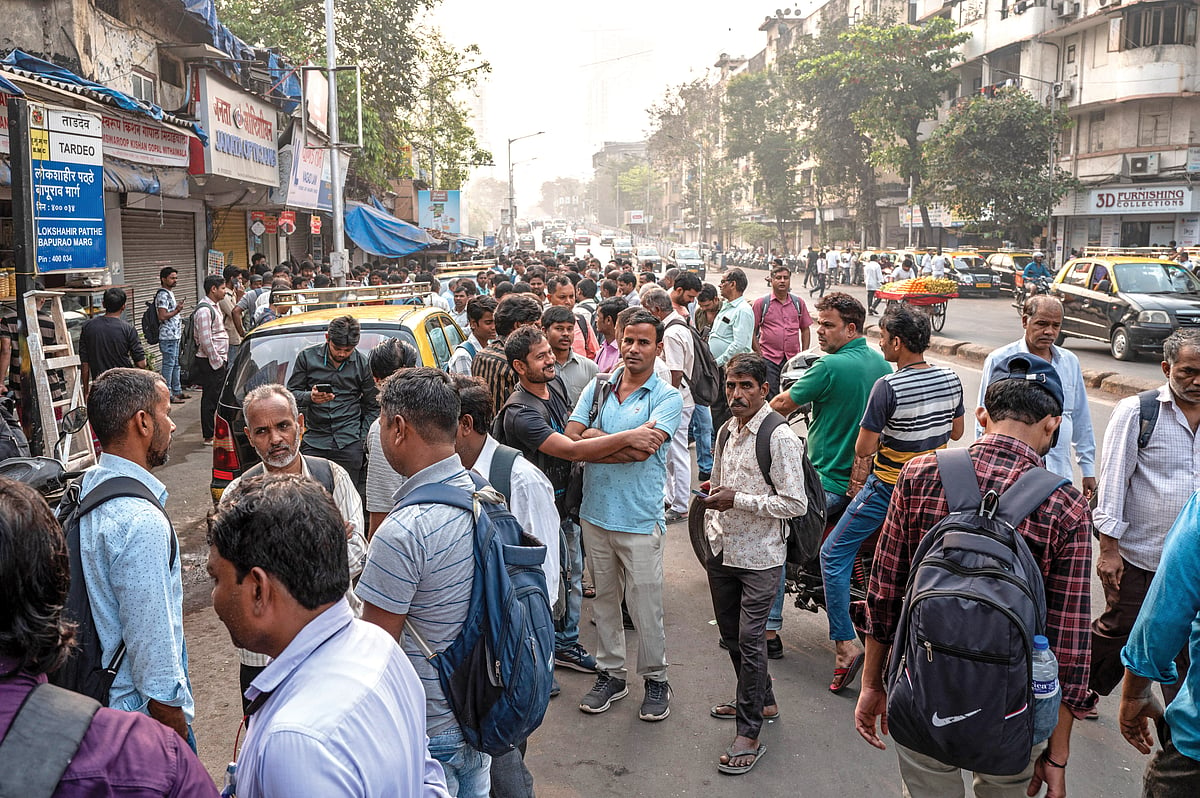
In mid-May, reports from Pune indicated that several fuel stations had begun rationing supplies. A report in the New Indian Express described the way a strict fuel-rationing mechanism imposed by oil marketing companies affected Andhra Pradesh. Under the policy, long-haul trucks and interstate buses were reportedly restricted to purchasing only 200 litres of fuel in a single transaction. Fleet operators responded by refuelling in neighbouring states, causing delays in supply chains while simultaneously depriving Andhra Pradesh of valuable fuel tax revenue.
A video uploaded on X from Maharajganj in Uttar Pradesh showed long queues at a petrol pump being informed by repeated loudspeaker announcements from a police vehicle that diesel sales would be restricted to five litres per customer.
Despite repeated government assurances, such reports raise questions about the actual state of fuel availability.
India’s vulnerability stems from a structural reality: we import nearly 88 per cent of our crude oil requirements and depend heavily on imported natural gas. US-Israel’s heedless war on Iran has severely disrupted shipping through the Strait of Hormuz, one of the world’s most important energy corridors. A significant share of India’s crude oil and nearly one-third of its natural gas imports transit through this narrow maritime route.
Reduced or no shipments at all from major suppliers such as Qatar and Abu Dhabi have already forced companies, including Petronet LNG, to invoke force majeure clauses. The result has been a combination of supply shortages, price volatility and growing uncertainty.
Compounding the problem is India’s limited strategic petroleum reserve (SPR) capacity of 5.33 million tonnes of crude. Reserves reportedly stand at 3.37 million tonnes — roughly 64 per cent of capacity. Even at 100 per cent, our reserves are worth national requirements for about two weeks.
The implications extend far beyond transport and cooking fuel.
Also Read: The big squeeze
A farmer leader from western Uttar Pradesh warns that if the monsoon underperforms, diesel demand for irrigation could rise dramatically. Any rationing of diesel during the kharif season would directly threaten agricultural production. For millions of farmers already struggling with rising input costs, the coming months could prove exceptionally difficult.
Three months into the conflict, the shortage of crude is threatening to become a shortage of almost everything. Petroleum is not just fuel but the foundation of modern manufacturing. Household goods, plastic bags, caps, crates, synthetic textiles, packaging material, adhesives used in footwear and furniture, industrial lubricants and solvents — all depend on petroleum derivatives.
Yet perhaps the most serious threat lies in agriculture. As the kharif sowing season approaches, fertiliser availability is a major concern. India imports substantial quantities of phosphates, potash and natural gas required for fertiliser production. Roughly one-third of these supplies originate from or transit through routes linked to the Strait of Hormuz.
West Asia is a big supplier of ammonia, sulphur and phosphoric acid — key raw materials for fertiliser production. At the peak of the Hormuz disruption, international urea prices reportedly surged towards $950 per tonne. Higher insurance premiums and vessel diversions have further extended delivery timelines.
Agriculture, however, abides by an unforgiving calendar. Fertilisers are needed at specific stages of crop growth. Delayed delivery cannot be compensated for later. If fertilisers arrive late, yields decline.
After water, fertiliser is the farmer’s most critical require-ment, says Dr Sunilam of the Samyukt Kisan Morcha. He fears prolonged shortages could trigger widespread unrest, even riots.
During the previous rabi season, farmers in several regions already faced shortages and were reportedly forced to buy supplies at inflated prices through unofficial channels. That crisis could become much worse.
The government’s promotion of nano urea and nano DAP (diammonium phosphate) as alternatives has found little acceptance among farmers, many of whom argue that these products cannot adequately replace conventional fertilisers.
Nor are fertilisers the only concern. Supplies of key ingredients used in insecticides, pesticides and herbicides are also affected. Every disruption raises production costs and threatens agricultural output. India may possess sizeable foodgrain stocks today, but a decline in future production would inevitably affect food security and intensify rural distress.
The broader economic outlook is equally worrying. In a recent blog post, the International Monetary Fund observed that the world faces a complex web of spillover effects from the conflict at a time when many economies have limited capacity to absorb additional shocks. The conclusion was sobering: higher prices, slower growth.
India is already grappling with inflationary pressures driven largely by supply-side constraints. The West Asia crisis threatens to add a powerful new layer to these challenges. Any substantial increase in fuel prices would quickly ripple through transport, manufacturing and agriculture.
Credit rating agency CRISIL has already warned that the impact will extend far beyond energy markets. Higher transportation costs are expected to push up both food inflation and core inflation, affecting virtually every household.
Yet, at precisely the moment when inflation is becoming a central economic concern, the government has chosen to overhaul the statistical framework used to measure it. This will do little to ease the burden on ordinary citizens struggling with rising prices and shrinking availability of goods.
Join our official telegram channel (@nationalherald) and stay updated with the latest headlines