


Special Intensive Revision cannot be the sole model for electoral rolls
Global experience shows how continuous updating, accessible registration and safeguards against wrongful exclusion can strengthen electoral integrity
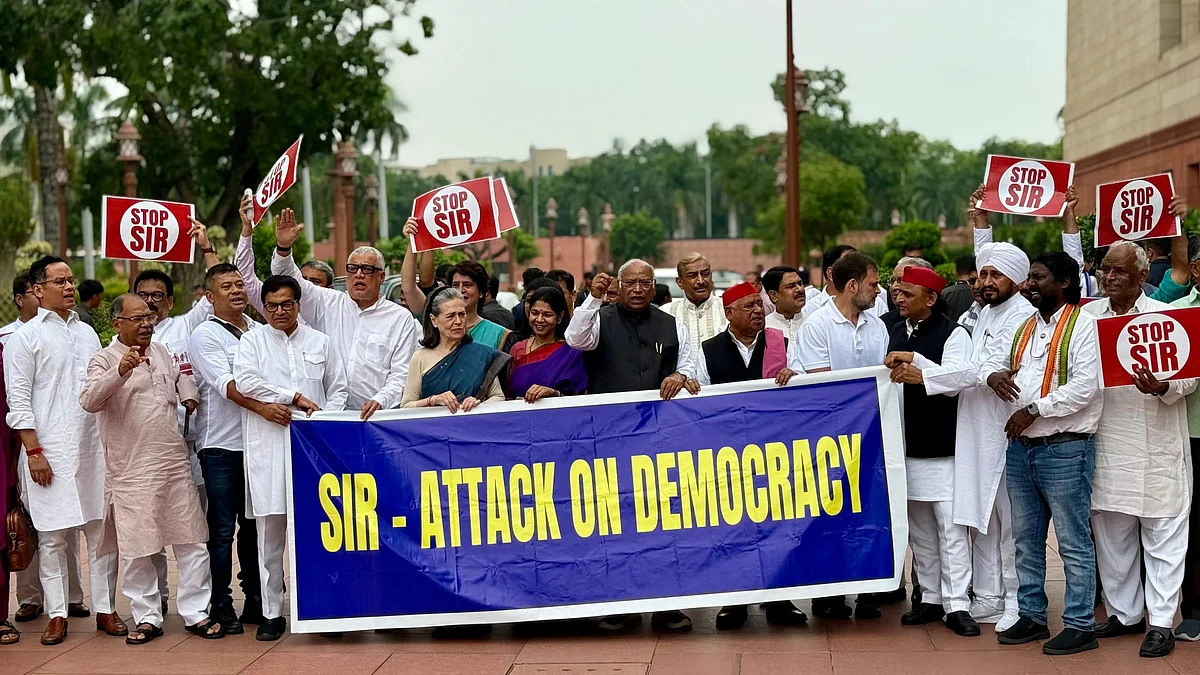


Can electoral integrity be secured only through intensive revision of voter lists? Other democracies suggest that continuous updating, automatic enrolment and accessible correction mechanisms can protect accuracy while reducing the risk of excluding eligible citizens.
India’s Election Commission has defended Special Intensive Revision (SIR) as necessary to address duplicate registrations, deaths, migration and accumulated discrepancies. Unlike routine summary revisions, SIR involves extensive verification, including house-to-house enumeration and eligibility scrutiny. Its scale, however, raises concerns about administrative capacity, documentation requirements and wrongful exclusion.
These concerns intensified after nearly 65 lakh names were absent from Bihar’s draft electoral roll published in August 2025. The Supreme Court upheld the Commission’s authority to conduct the exercise while emphasising safeguards, including publication of exclusion lists with reasons and acceptance of Aadhaar for identity verification, without treating it as citizenship proof. Legal authority does not, by itself, ensure that every operational decision is accurate or proportionate.
Other democracies offer useful alternatives. Germany prepares electoral registers from municipal population records, placing primary responsibility on the administration rather than repeatedly requiring citizens to establish eligibility.
Australia’s electoral authorities use information from government agencies to identify eligible citizens and update their details. Its estimated enrolment rate reached approximately 98 per cent at the end of 2024, demonstrating that accuracy and participation can advance together.
Canada maintains a National Register of Electors using authorised government information, alongside opportunities to register and correct records. Its approach highlights an important distinction: an outdated address does not necessarily make a voter ineligible.
The United Kingdom combines individual registration with an annual household canvass. Registration gaps persist, particularly among young people, private renters and frequent movers, prompting calls for greater automation. France generally enrolls eligible young people through national service-related records, while Sweden draws on its population register.
These systems differ from India’s but share a principle: dependable administrative information can facilitate participation without making repeated, document-intensive verification the default.
India’s vast electorate, internal migration, uneven documentation and varying administrative capacities justify robust checks. Yet these conditions also demand safeguards for migrant workers, elderly citizens and families with inconsistent records. Administrative difficulty should not become grounds for exclusion.
Electoral rolls should therefore be updated continuously through reliable databases wherever legally permissible. Proposed deletions must rest on verifiable grounds, with notice and accessible opportunities to object and appeal. Vulnerable groups need assistance, political parties must be able to scrutinise the process, and authorities should publish clear data on additions, deletions, corrections and successful appeals.
SIR should remain one instrument among several, supported by continuous updating and administrative innovation. Its success must be measured by greater accuracy and protection of eligible voters, rather than the number of names removed.
Democracy requires protection against both electoral fraud and administrative exclusion. Rigorous verification, accessible registration, transparency and effective remedies must work together. The right to vote should not depend on a citizen’s ability to navigate a complicated administrative process.
The author is a senior journalist from Telangana and a political analyst.
Join our official telegram channel (@nationalherald) and stay updated with the latest headlines