


The SIR horror show: 15,00,00,000
That’s the approximate number of adult Indians — each with a right to vote — that the SIR will declare ineligible by the time the ECI is done
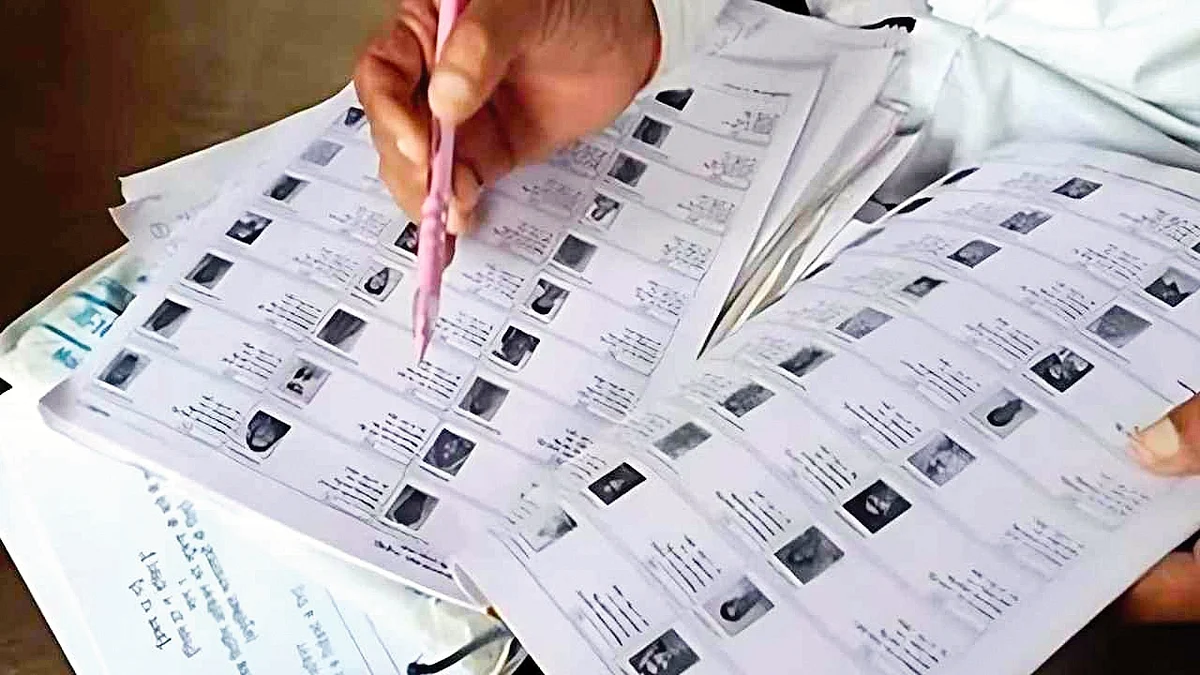


Wrap your mind around this: over the three phases of the ongoing special intensive revision (SIR) of voter rolls in India, we have seen the deletion of 13 crore names so far, and it is estimated that by the time the Election Commission of India (ECI) is done with this exercise, the number will swell to 15 crore. India’s estimated adult (voting age-eligible) population is 97–99 crore.
Consider the following:
Maharashtra, covered in SIR/Phase 3, has seen the highest drop in absolute numbers — 2.06 crore (or 21 per cent). In Uttar Pradesh (SIR/Phase 2), 2.04 crore names have been deleted (~19 per cent). In Karnataka (SIR/Phase 3), 1.07 crore names (19.5 per cent). These three account for the highest absolute numbers of deletions.
The SIR draft roll for Maharashtra, which was published on 31 August, has 7.72 crore voters, which is 2.06 voters less than the state’s pre-SIR baseline. Curiously, as MP and Congress national spokesperson Pawan Khera has pointed out, between the Lok Sabha election in May 2024 and the Assembly election later that year, the same ECI had reason to add 40 lakh new voters to the state’s electoral list. The Congress and other Opposition parties had at the time flagged the abnormal increase in the space of five months, and the ECI maintained the additions were all bona fide.
Delhi (Phase 3) has the dubious distinction of recording the highest percentage drop — nearly 33 per cent of its pre-SIR electorate are out of the draft roll. That’s nearly one in three voters. It has a large working class migrant population, and a study published in The Wire found that the 47.56 lakh deletions in Delhi are heavily skewed towards working-age men in temporary, informal housing; mainly migrant, blue-collar workers from Poorvanchal.
Also Read: Fake forms, targeted deletions
Ninety-one per cent deletions in Delhi are based on officers not being able to find someone. Every removal carries one of four reasons — absent, shifted, dead or duplicate (ASDD). Two reasons dominate in Delhi: ‘permanently shifted’ accounts for 31.6 lakh (or nearly two of three) deletions while ‘untraceable or absent’ accounts for another 11.7 lakh (or one in four). Together, these two reasons account for 91 per cent of deletions in Delhi. ‘Death’ accounts for less than 6 per cent and ‘duplicate’ registrations less than 3 per cent.
Five constituencies in Bengaluru have lost more than half of their electors while nine of Hyderabad’s 15 constituencies have seen more than 40 per cent deleted. Sabar Institute, a Kolkata-based public policy research non-profit, found that in two constituencies in Hyderabad, the number of deletions is higher than the number of votes cast in the last election.
If there are mistakes in the list, the ECI argues, voters can appeal and get their names restored. Not exactly a cinch, as horror stories of voters running from pillar to post — before and after elections — have demonstrated.
In an RTI reply to Congress MP Isha Khan Chowdhury from Malda (West Bengal), the ECI has claimed that only 7 lakh of the 27 lakh voters declared ‘not eligible’ — after they were mapped, produced documents and attended hearings — actually approached an appellate tribunal. (West Bengal is the only state that even has these appellate tribunals — 19 of them, set up on a Supreme Court order after the final list in West Bengal saw 27 lakh voters still out of the voter lists. In other states, appeals have to be directed to local election officials.)
The RTI reply, dated 17 August, revealed that of the 38,10,620 (38.1 lakh) appeals filed in the state, only 82,782 (2.17 per cent) had been disposed of by 7 August. At that speed, clearing the backlog would take more than 20 years!
Incidentally, of the appeals decided, 75,443 names (about 91 per cent) were to be restored, the tribunals decided. The RTI also reveals that more than 20 lakh appeals were filed by the ECI itself, challenging the inclusion of voters who had already been cleared by judicial officers during the adjudication phase.
The ECI, as alert readers will remember, has been making ad hoc rules on the fly, as it has gone from one phase of the exercise to another, rather than playing punctiliously by the rule book. There is one, believe it or not!
Even after all the exposés that raised deeply unsettling questions about the SIR, the Supreme Court has given it a clean chit, even chiming in with remarks like why those deleted unfairly have not protested. Here’s a short list of dissonant details their Lordships might like to consider:
• The ECI has not provided written reasons for deletion of names nor has it transparently separated voters ‘absent’ from voters who have ‘shifted’ as per the SIR. It’s ‘Manual on Electoral Rolls’ (2023) explicitly states that ‘an absentee voter is that person who is found to be absent for a limited period from […] his ordinary residence where he is enroled as an elector. […]. But his name cannot be deleted, as in the existing law, a person absenting himself temporarily from his place of ordinary residence shall not, by reason thereof, cease to be ordinarily resident therein.’ This definition questions the legality of voters absent during enumeration being deleted in the first place.
• The rules for Form 7 applications requesting deletion of names from the electoral rolls or to file an objection against a proposed inclusion have been progressively loosened. From a maximum of 10 a day per BLA (booth-level agent) in 2023, it became 50 a day in 2025 to no limits in 2026 (with a caveat that more than five will trigger reviews). In Uttarakhand, BJP workers have filed bulk applications to delete voters. In Kichha, 99 per cent of all deletion requests came from a single BJP booth-level agent, who filed 4,855 objections — all against Muslim voters.
According to a Newslaundry report, in Jhabrera, Haridwar, 35 people listed as applicants in 1,657 objections said they had never filed them and that their identities had been misused. In affidavits submitted to the Haridwar district administration on 18–19 August, they said unknown persons had used their names, EPIC numbers and forged signatures to file Form 7 applications seeking voter deletion.
• The use of BLA-1 and BLA-2 forms and the underlying responsibilities of BLAs have triggered legal battles, with the Delhi High Court intervening on 3 September to strip away an administrative mandate imposed on BLAs. Political parties filed petitions challenging a rule requiring agents appointed via BLA-2 forms to sign an undertaking certifying that they had personally verified ‘every single detail’ contained in the electors’ house-to-house enumeration forms.
Justice Amit Bansal ruled that booth-level agents are not liable for verifying data in SIR enumeration forms and that data verification is a statutory duty for government officers not party workers.
• The SIR voter lists are still not machine-readable and omit key booth/ constituency information
How much is enough, Lordships, to demand some answers from the Election Commission of India?
Join our official telegram channel (@nationalherald) and stay updated with the latest headlines