


BJP CMs sign 'global' deals with Indian firms in Davos. Was that the point?
Davos showcase questioned after Fadnavis and BJP CMs sign major MoUs largely with Indian investors
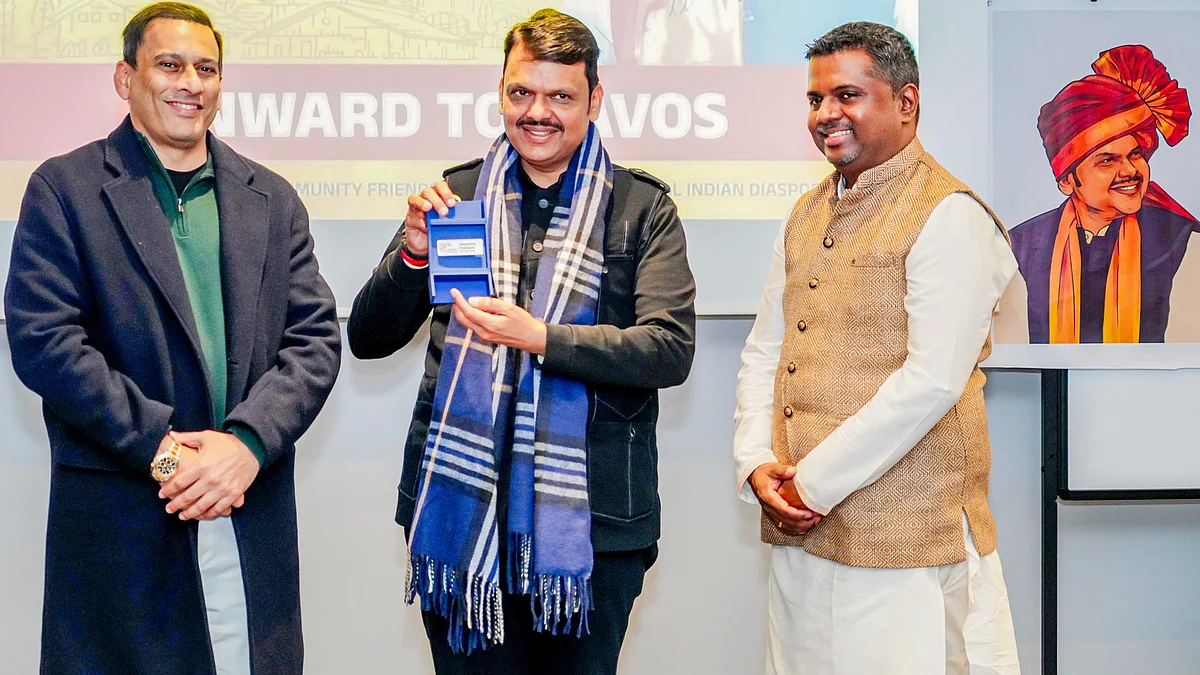


At the World Economic Forum’s annual summit in Davos (19–23 January), chief ministers from most of India's BJP-ruled states have been busy attending sessions, posing for cameras, and — most importantly — signing investment MoUs to draw capital into their states. The stated aim is classic: attract foreign investors, boost development, and create jobs for the unemployed.
But the fine print has turned a few heads: the majority of investors these CMs are signing deals with aren’t foreign at all — they’re Indian companies. Which has led to the obvious question: if Indian companies are investing in Indian states, then why the Swiss Alps? Why not just sign across the table in Mumbai, Bhopal or Guwahati instead of booking a Davos suite?
That question became sharper once Maharashtra CM Devendra Fadnavis announced a Rs 1.3 lakh crore deal with Lodha Developers for data centres. Lodha Developers, for the uninitiated, is run by Abhishek Lodha, son of Maharashtra’s skill development minister Mangal Prabhat Lodha. On day one alone, Fadnavis claimed he had secured MoUs worth Rs 14.5 lakh crore, promising 35 lakh jobs. Alongside Lodha, the big-ticket MoUs featured other familiar Indian names such as Raheja, Panchshil and Surjagad Ispat.
The Opposition was quick to pounce. Congress Rajya Sabha MP and general-secretary (communications) Jairam Ramesh posted on X that “the Maharashtra CM goes to Davos and signs an MoU with a company owned by a minister’s son”. He added, pointedly, “Did it really have to be signed in Switzerland, or is there some hidden meaning in this odd event?” Mumbai Congress chief and MP Varsha Gaikwad also slammed these “Indian-with-Indian” MoUs in Davos as unnecessary and a waste of public funds.
Fadnavis is not alone on the slopes. Madhya Pradesh CM Mohan Yadav, Assam CM Himanta Biswa Sarma, Andhra Pradesh CM Chandrababu Naidu, Telangana CM A. Revanth Reddy and Jharkhand CM Hemant Soren are also in Davos wooing investors.
The Jharkhand BJP chose to mock Soren’s trip as a “tourism visit.” The Jharkhand Mukti Morcha hit back, with general-secretary Vinod Pandey accusing the BJP of double standards: why stay silent about Maharashtra signing MoUs with Lodha Developers in Davos while heckling Soren for the same trip?
Meanwhile, Indian corporate heavyweights had their own big announcements at Davos. The Adani Group unveiled plans to invest over Rs 6 lakh crore across aviation, clean energy, urban infrastructure, digital platforms and advanced manufacturing. These investments are planned for Maharashtra and Assam — and yes, also Jharkhand.
The Andhra Pradesh government announced a $10-billion strategic investment partnership with RMZ Group. Jharkhand signed a Rs 11,000 crore MoU with Tata Steel for new-age green steel technology. Google and Gemini AI expressed interest in investing in Madhya Pradesh. And the government of the UAE proposed a partnership with Telangana for an 'India Future City', expected to generate roughly 46,000 jobs.
So while the official line from BJP-ruled states is that Davos is about globalising India’s economy, a sizeable share of the big MoUs being touted originate from Indian companies. The deals may help development and jobs, but the optics raise the same lingering question: if the investors are largely Indian, is the international snow-globe setting really necessary — or just great for the photos?
Join our official telegram channel (@nationalherald) and stay updated with the latest headlines