


ECI flags inadequate election preparedness in two Bengal border districts
ECI flags slow poll preparedness in South 24-Parganas and Cooch Behar, according to the office of chief electoral officer, West Bengal
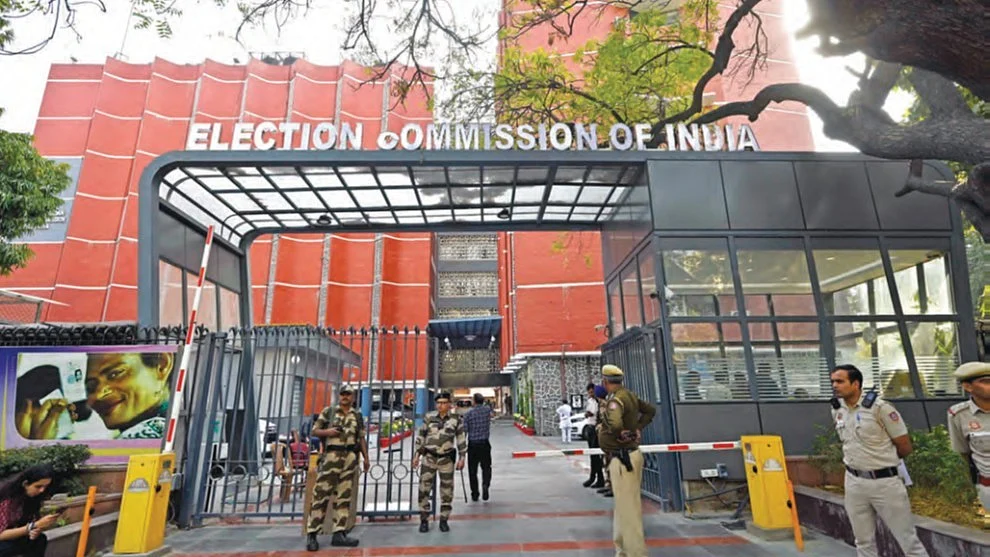


The Election Commission of India (ECI) has expressed concern over what it described as unsatisfactory progress in poll preparations in two districts of West Bengal bordering Bangladesh, as the state gears up for its forthcoming assembly elections.
According to communications sent to the office of the chief electoral officer West Bengal, the pace of electoral readiness in South 24-Parganas in southern Bengal and Cooch Behar in the northern part of the state has fallen short of expectations.
Sources within the CEO’s office revealed that the commission’s senior leadership in New Delhi conducted a comprehensive virtual review last week, interacting with electoral officers from the district level, as well as senior bureaucrats and police officials across the state. The discussions sought to gauge the preparedness of the election machinery in different regions as the democratic exercise draws closer.
After carefully examining the inputs gathered during those consultations, the Commission reportedly identified several shortcomings in the pace and quality of preparations. Despite Wednesday being a holiday on account of Holi, deputy election commissioner Gyanesh Bharati convened a late-night virtual meeting with electoral officers in West Bengal, including district magistrates who also serve as district electoral officers.
During the meeting, Bharati is said to have voiced dissatisfaction with the sluggish progress in South 24-Parganas and Cooch Behar, urging officials to accelerate preparations to ensure that the electoral process unfolds smoothly and transparently.
Officials indicated that Bharati is expected to hold another round of virtual consultations on Thursday, where he will outline measures aimed at expediting the work and addressing the gaps flagged during the review.
Meanwhile, the Commission’s full bench is scheduled to arrive in West Bengal on the night of March 8. Over the following two days — 9 March and 10 March — the panel will engage in a series of intensive deliberations with administrative and electoral authorities. These meetings will focus both on the state’s poll preparedness and on the ongoing judicial adjudication of voters’ documents placed under the “logical discrepancy” category.
Amid these developments, political tensions have also begun to simmer. Leaders and activists of the Communist Party of India (Marxist) staged a night-long sit-in demonstration outside the office of the state’s chief electoral officer in central Kolkata from Wednesday evening.
The protesters demanded that the commission refrain from announcing the polling dates in West Bengal until the process of judicial scrutiny of voters’ documents is fully completed and the names of all genuine voters are secured in the electoral rolls.
The demonstration continued into Thursday morning, with CPI(M) leaders declaring that their agitation would persist until the state’s Chief Electoral Officer, Manoj Kumar Agarwal, meets them and addresses their concerns.
The final electoral roll was published on February 28, excluding those names that have been referred for judicial adjudication. Supplementary voter lists are expected to be released in stages, depending on the pace at which the verification process is completed.
Together, these developments underline the mounting scrutiny and political stakes surrounding the preparation of voter rolls and the conduct of the upcoming Assembly elections in West Bengal.
With IANS inputs
Join our official telegram channel (@nationalherald) and stay updated with the latest headlines