


India kept in dark: Rahul Gandhi attacks govt on data sovereignty
Congress leader says India’s data is a key asset for AI growth, jobs, and domestic innovation
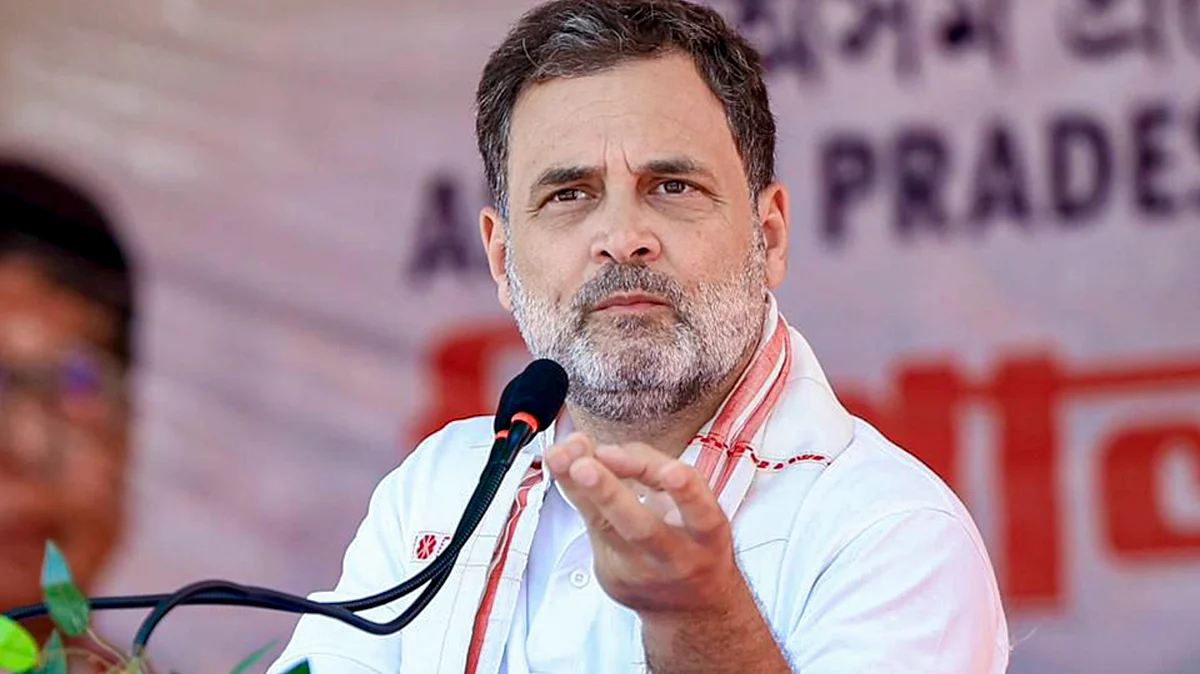


Leader of Opposition in the Lok Sabha Rahul Gandhi on Monday raised concerns over India’s data sovereignty, questioning the government’s stance on digital trade negotiations with the United States and warning that the country risks falling behind in the global technology race.
Rahul Gandhi asserted that India’s data belongs to its people and could serve as a key strategic asset in the emerging artificial intelligence (AI) economy — helping build domestic capabilities, grow companies, and generate employment. However, he alleged a lack of transparency from the government on how such data would be protected under ongoing agreements.
In a post, Rahul Gandhi said he had sought clarity from the government on what “reducing barriers” in digital trade with the US would mean for India’s data ecosystem. He questioned whether sensitive data — such as health records, financial information, and government databases — would continue to be stored within the country, and whether India would retain the authority to mandate data localisation for foreign firms.
“Every question on data sovereignty, health data, AI, and local data storage gets the same treatment — ‘framework’, ‘balance’, ‘autonomy’ — big words, zero specifics,” he said, alleging that the government was withholding critical details about negotiations. “We should be leading the global tech race, but instead we are kept in the dark about how India’s data will be protected.”
Rahul Gandhi had formally raised these issues in the Lok Sabha on 1 April, seeking details from the Ministry of Electronics and Information Technology on how India would reconcile its commitments under the proposed India–US trade framework with existing data localisation rules, cross-border data regulations, and its broader digital policy architecture.
He also asked whether any policy changes were being considered that could affect India’s regulatory autonomy — particularly its ability to mandate local storage of critical data, restrict foreign access to sensitive digital infrastructure, and regulate AI development. Rahul Gandhi further sought clarity on whether key sectors such as financial systems, digital identity platforms, health and welfare databases, telecom networks, and AI datasets could be impacted.
Responding to these concerns, Minister of State for Electronics and Information Technology Jitin Prasada highlighted the strength of India’s digital economy, noting that the country’s IT sector recorded revenues exceeding $280 billion and exports of $225 billion in FY 2024–25, employing over 60 lakh people.
Prasada said digital trade remains a crucial component of India’s economic strategy and emphasised that the government is committed to expanding partnerships through Free Trade Agreements (FTAs). He noted that India has already concluded agreements with multiple global partners, each incorporating dedicated digital trade provisions.
On the proposed India–US Bilateral Trade Agreement (BTA), currently under negotiation, Prasada said both countries are working towards an interim framework aimed at fostering a “free, fair, and dynamic” digital trade environment. He added that the framework is designed to ensure reciprocal and mutually beneficial outcomes.
Importantly, the minister asserted that India has safeguarded its regulatory autonomy in all such agreements. “In no way do these agreements restrict India’s ability to take measures for managing its own data within the established legal framework,” he said, adding that the government is maintaining a balance between enabling technological advancement and protecting national interests.
The exchange underscores a broader political debate over data governance, digital sovereignty, and India’s positioning in the global AI and technology landscape, with the Opposition demanding greater transparency and the government emphasising safeguards and strategic engagement.
With PTI inputs
Join our official telegram channel (@nationalherald) and stay updated with the latest headlines