


Jail Gyanesh Kumar for ‘compromised’ Bengal SIR: Saket Gokhale
TMC leader claims AI errors, rushed timeline and ‘illegal’ micro-observers put 80 lakh voters at risk
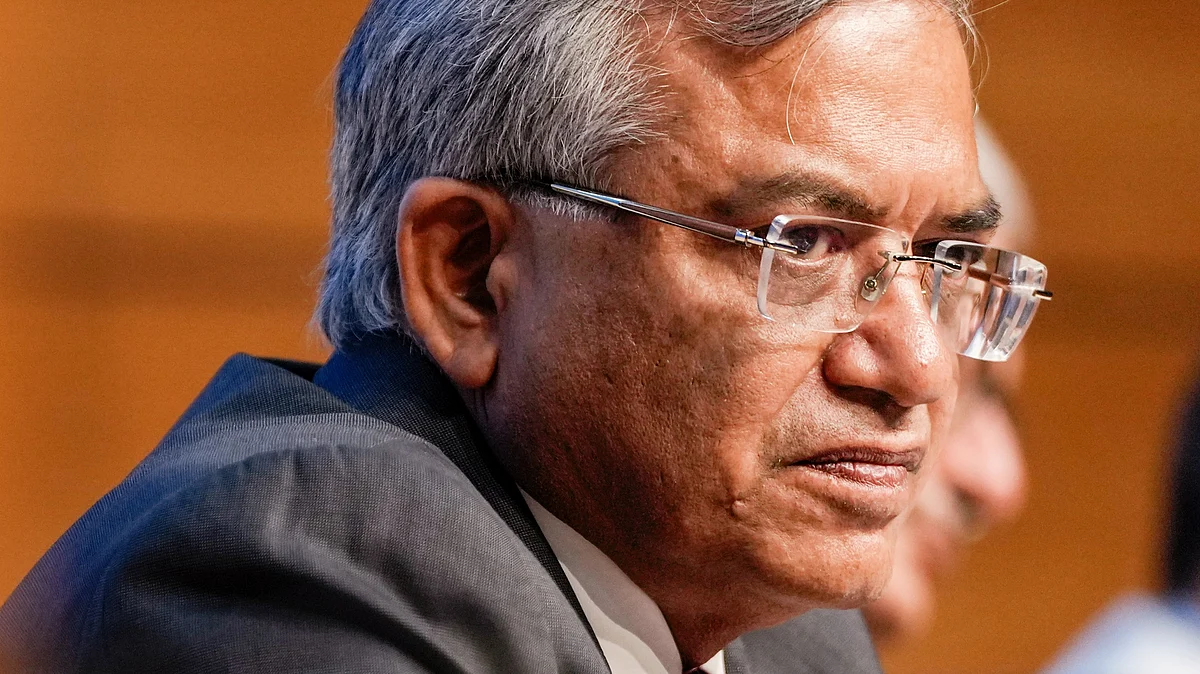


Trinamool Congress Rajya Sabha MP Saket Gokhale has launched an explosive attack on Chief Election Commissioner (CEC) Gyanesh Kumar, accusing him of “destroying India’s electoral process” through what he described as a manipulated Special Intensive Revision (SIR) of electoral rolls in West Bengal.
In a detailed social media post, Gokhale alleged that the Election Commission of India (ECI) mishandled the voter verification exercise by deploying a “mysterious” artificial intelligence-based software to reconcile current voter data with the 2002 electoral rolls. According to him, the 2002 list — originally in Bengali — was translated into English using AI tools, resulting in glaring transliteration errors.
He cited examples where common Bengali names were incorrectly rendered in English, leading to mismatches between present voter records and the AI-converted 2002 data. As an example, he said the name 'অমিত' was translated by the software as 'O-mit' instead of 'Amit' in English. These mismatches were flagged as “logical discrepancies”, triggering notices for hearings.
Gokhale claimed that as many as 1.67 crore voters were marked as discrepancies because of flawed software mapping. Of these, around 95 lakh were issued notices to appear for hearings to verify their status.
He argued that the SIR process, which ordinarily takes eight months, was compressed into just three — a move he described as deliberate and designed to create chaos in the voter rolls ahead of crucial electoral exercises.
The Election Commission has not publicly responded to the specific allegations regarding AI translation errors or the scale of flagged voters.
Another major plank of Gokhale’s charge relates to the appointment of so-called “micro-observers”. According to him, Union government officers were deployed to oversee the hearing process but were subsequently given powers to directly alter voter data in the ECI’s software system.
He alleged that these powers were granted through informal “WhatsApp orders” and that regular electoral officers were effectively sidelined. Gokhale described this as illegal and politically motivated, suggesting the officers were “BJP-friendly”.
The ECI has not confirmed whether any such informal instructions were issued.
The matter eventually reached the Supreme Court after West Bengal chief minister Mamata Banerjee challenged aspects of the process. According to Gokhale, the apex court intervened by directing that the hearings be overseen not by micro-observers but by sitting and retired district judges from West Bengal.
However, the Calcutta High Court subsequently informed the Supreme Court that completing 95 lakh hearings would require at least three months. Following this, the Supreme Court reportedly directed that additional judges from Odisha and Jharkhand be appointed to expedite the process.
With the final electoral roll deadline just days away, Gokhale claimed that around 80 lakh “valid voters” now face the risk of deletion because hearings cannot realistically be concluded within the compressed timeframe.
Framing the issue as an attack on democracy, Gokhale alleged that the SIR was manipulated to benefit the BJP, and directly blamed Union home minister Amit Shah for influencing the process. He accused the CEC of enabling electoral fraud and called for criminal action, arguing that the integrity of India’s electoral system was at stake.
The Election Commission has consistently maintained in past instances that revisions of electoral rolls are conducted under established legal procedures to ensure accuracy and eliminate duplication. It has not yet issued a detailed clarification addressing the specific allegations raised by Gokhale.
As the deadline for the publication of the final voter list approaches, the controversy is likely to intensify, with opposition parties portraying the issue as a test of institutional independence and the credibility of India’s election machinery.
Join our official telegram channel (@nationalherald) and stay updated with the latest headlines