


MGNREGA was transformative law, its substitute a flaw: Congress
Congress leader noted MGNREGA introduced direct wage transfers and helped small farmers build irrigation facilities like wells
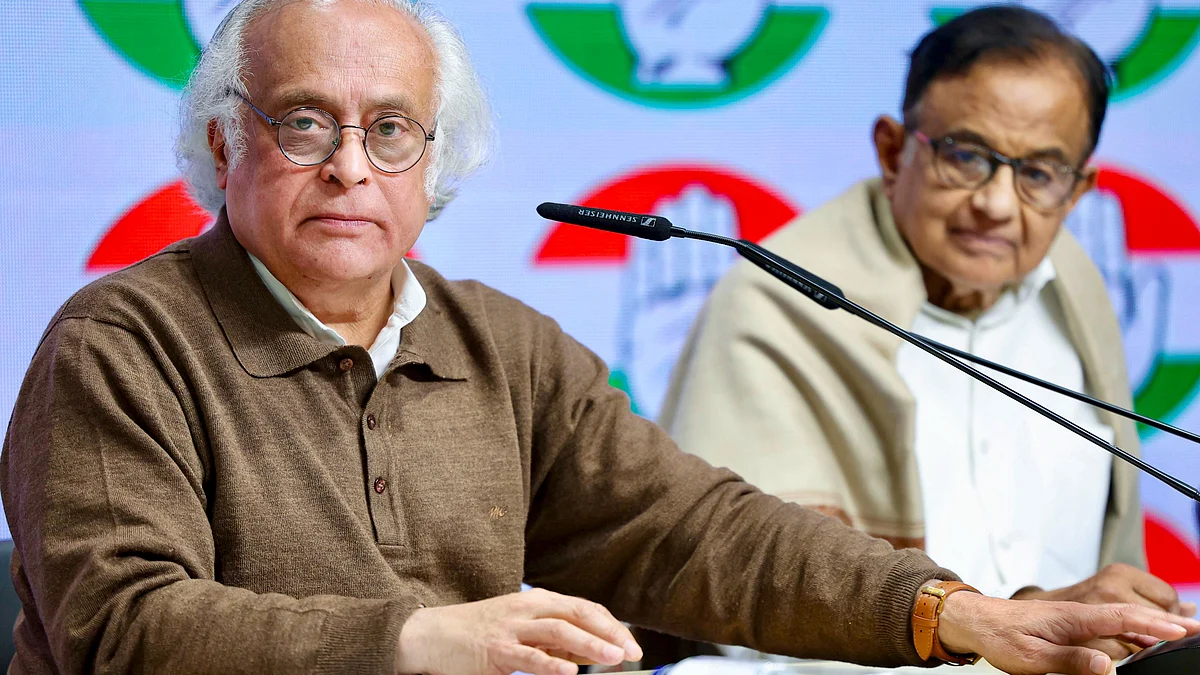


Marking 20 years since the launch of the Mahatma Gandhi National Rural Employment Guarantee Act (MGNREGA), the Congress on Monday attacked the Modi government’s new rural employment law, calling it a centralised and flawed replacement that undermines workers’ rights.
Congress general secretary Jairam Ramesh highlighted the transformative impact of MGNREGA, which was launched on 2 February 2006, at Badnapalli village in Anantapur district, Andhra Pradesh.
“Over the years, it has provided 180 crore days of work to rural households, particularly benefiting women; created an estimated 10 crore community assets; reduced distress migration; empowered gram panchayats; and strengthened the bargaining power of rural workers for higher wages,” he said.
Ramesh also noted that MGNREGA introduced direct benefit transfers, crediting wages directly into bank and post office accounts, and enabled small and marginal farmers to create irrigation facilities such as wells on their lands.
Also Read: MGNREGA and the meaning of gram swaraj
“MGNREGA was a demand-driven legal guarantee, not merely an administrative promise,” Ramesh said. “Work was allocated wherever demanded by citizens, with projects decided by local gram panchayats. States were required to contribute only 10 per cent of costs, incentivising them to provide work without bearing major financial burdens.”
He emphasised the scheme’s accountability mechanisms, including social audits through Gram Sabhas and regular high-level audits by the Comptroller and Auditor General (CAG).
By contrast, Ramesh criticised the Modi government’s Viksit Bharat Guarantee for Rozgar and Ajeevika Mission (Gramin) Act, 2025 (VB-G RAM G), passed in both houses and receiving presidential assent in December 2025, as diluting the rights-based nature of employment guarantees.
Under the new law:
Work will be notified for selected districts by the central government rather than provided on citizen demand.
Employment will be tied to government-allocated budgets, not local needs.
The scheme will halt for two months every year during peak agricultural activity, weakening workers’ bargaining power.
Panchayats have been sidelined, with project planning centralised in New Delhi.
States will now bear 40 per cent of costs, potentially straining finances and reducing their ability to provide work.
Ramesh said the new law represents “centralisation at the cost of citizens’ rights” and argued that it “bulldozed away” the participatory, rights-based framework of MGNREGA.
He also commemorated the first MGNREGA job card holder, Cheemala Pedakka, a Dalit woman from Badnapalli, sharing a photo to mark two decades of the scheme’s impact.
While the VB-G RAM G Act raises the statutory employment guarantee on paper from 100 to 125 days per rural household, Opposition parties have criticised it for transferring power away from local governance bodies, increasing centralisation, and imposing greater financial responsibility on states — potentially undermining the legal entitlement to work that MGNREGA had enshrined.
With PTI inputs
Join our official telegram channel (@nationalherald) and stay updated with the latest headlines