


Mirwaiz alleges house arrest for third consecutive Friday in Ramadan
Kashmir’s chief cleric says he was prevented from offering prayers at Jamia Masjid amid tight security restrictions in post-Article 370 Kashmir
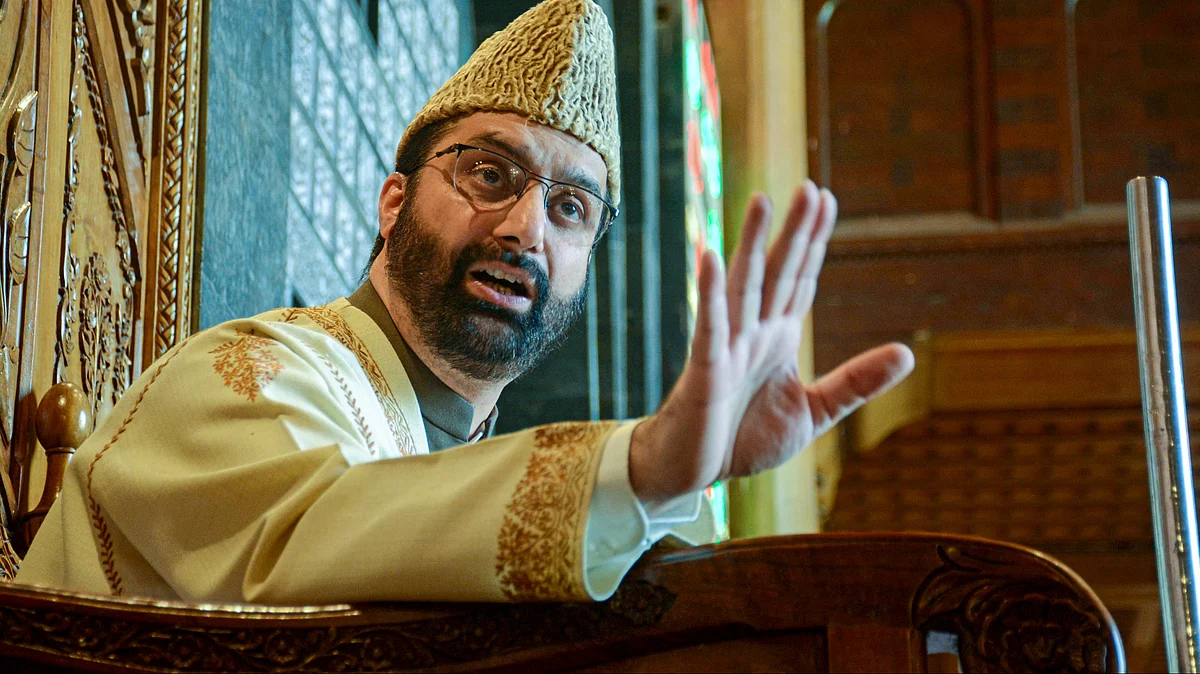


Kashmir’s chief cleric Mirwaiz Umar Farooq on Friday alleged that he had been placed under house arrest for the third consecutive week, preventing him from leading congregational prayers at Srinagar’s Jamia Masjid during Ramadan.
In a statement shared on social media, the Mirwaiz said no formal order had been issued, but security forces had effectively confined him to his residence in the Nigeen area. He claimed that police vehicles, barricades and concertina wire had been deployed around his home, restricting movement in surrounding lanes and blocking access routes.
The cleric, who traditionally delivers the Friday sermon at Jamia Masjid Srinagar, described the restrictions as arbitrary and said they were intended to prevent him from addressing worshippers at the mosque.
There was no immediate official response to his claims. However, such restrictions are not unprecedented. Since the abrogation of Article 370 in 2019, which revoked Jammu and Kashmir’s special status, the Mirwaiz has frequently faced similar curbs, particularly on Fridays and other sensitive occasions.
Authorities have typically defended these measures as necessary to maintain law and order and prevent potential unrest. However, the Mirwaiz’s office and local religious bodies, including the Anjuman Auqaf Jamia Masjid, have repeatedly criticised the restrictions as arbitrary and detrimental to religious and public sentiment in the Valley.
The developments also reflect a broader political context. The central government led by Narendra Modi has consistently viewed sections of the Hurriyat leadership, including the Mirwaiz, through the lens of separatist politics. His past advocacy of self-determination, role in mobilising opposition to the 2019 constitutional changes, and influence as a religious figure have made him a prominent and, at times, contentious voice in the region.
Critics argue that repeated restrictions on his movement — particularly during Ramadan — are aimed at limiting his public outreach and preventing the Jamia Masjid from becoming a platform for political messaging. Supporters of the government, however, maintain that such steps are necessary to ensure stability in a region with a history of unrest.
As Ramadan continues, the recurring restrictions have once again brought into focus the delicate balance between security considerations and religious freedoms in Kashmir.
With PTI inputs
Join our official telegram channel (@nationalherald) and stay updated with the latest headlines