


Rahul Gandhi vows to fight for farmers, calls India-US trade pact a ‘sell-out’
Congress leader backs suspended MPs and sharpens attack on government during CPP meeting
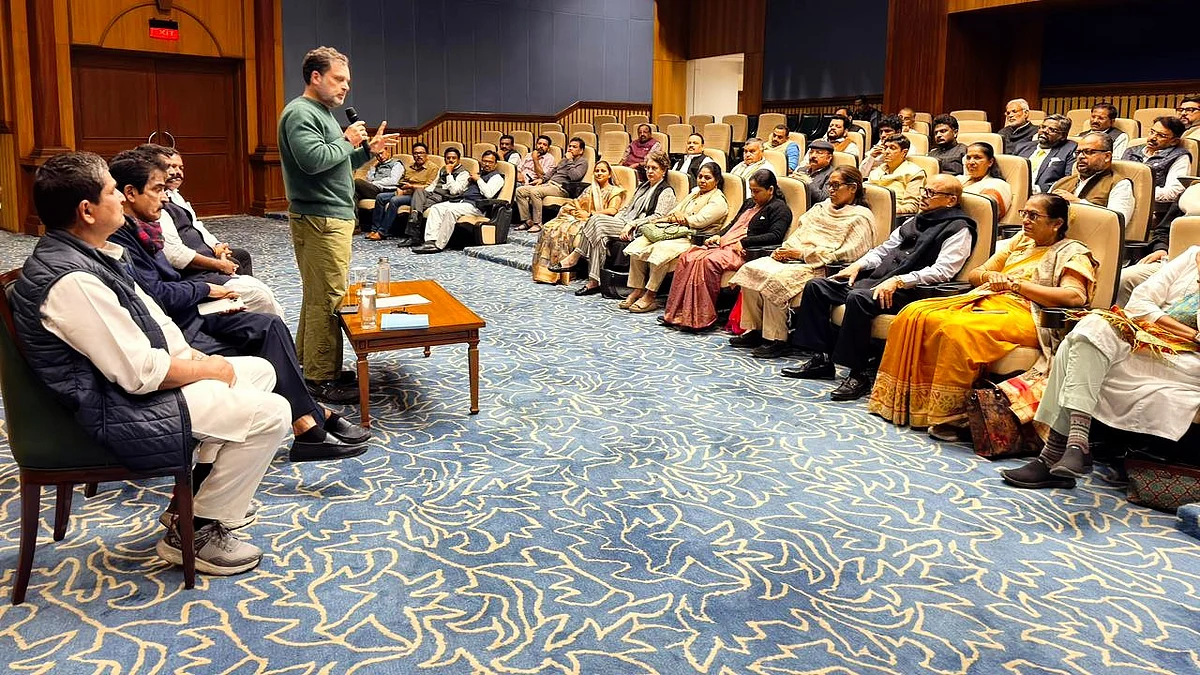


Congress MP and Lok Sabha Leader of Opposition Rahul Gandhi on Thursday vowed to continue fighting for farmers’ interests, escalating his criticism of the Centre over the India-US interim trade agreement and parliamentary confrontations during the Budget session.
Posting in Hindi on social media, Gandhi declared: “File FIRs, register cases, or bring privilege motions — I will fight for farmers. Any trade deal that snatches away farmers’ livelihoods or weakens the country’s food security is anti-farmer. We will not allow the anti-farmer Modi government to compromise the interests of our food providers.”
The political sparring intensified the same day after BJP MP Nishikant Dubey submitted notice of a “substantive motion” in the Lok Sabha seeking cancellation of Gandhi’s parliamentary membership and a lifetime ban on contesting elections. Dubey accused the Congress leader of misleading the nation and alleged links with “anti-India forces”, claims Gandhi dismissed when questioned by reporters, accusing sections of the media of amplifying political talking points.
A substantive motion is a self-contained proposal placed before the House expressing a decision or opinion, though it does not automatically lead to expulsion and would require parliamentary consideration.
The remarks came as Gandhi addressed a meeting of the Congress Parliamentary Party in the Parliament House annexe, where he praised the party’s Lok Sabha members for raising public concerns during the first phase of the Budget session and said the Opposition had managed to corner the government on several issues.
According to sources, he described the India-US interim trade deal as a “sell-out” and urged MPs to take this message to the public, stressing that they must stand firmly with farmers against what he termed injustice arising from the agreement.
His comments echoed earlier criticism in Parliament, where he labelled the pact a “wholesale surrender” and a “tragedy”, accusing the government of yielding under pressure and failing to leverage India’s strengths in areas such as data, human resources and food production.
The trade agreement has triggered political controversy and protests beyond Parliament. Thousands of farmers across India have demonstrated against the pact, alleging that it could harm rural incomes by exposing domestic agriculture to competition from subsidised US imports.
Trade unions and farm groups also staged a nationwide strike on Thursday, arguing that tariff reductions and market openings threaten small farmers, workers and local businesses. Critics contend that the deal may open Indian markets to heavily subsidised foreign products, potentially undermining domestic producers and self-reliance goals.
The government, however, has defended the agreement, saying key agricultural products were excluded to safeguard farmers’ interests and emphasising potential gains for exporters and strategic ties with Washington. Under the arrangement, US tariffs on Indian goods are expected to settle around 18 per cent, while India has committed to lowering trade barriers and increasing purchases of American energy, technology and defence goods as part of broader economic cooperation.
Gandhi also used Thursday’s meeting to commend seven Congress MPs and one CPI(M) member suspended from the Lok Sabha, saying they had stood up for people’s issues. The MPs were barred for the remainder of the session after alleged misconduct and disruptions in the House, including slogan-shouting and throwing papers during proceedings. The suspensions followed heightened tensions linked to disputes over parliamentary debate and procedure.
Party leaders including K.C. Venugopal, Priyanka Gandhi Vadra, chief whip K. Suresh and other whips attended the meeting. Congress whip Manickam Tagore later said on social media that the suspended MPs had shown courage in raising public concerns and upheld democratic accountability.
Gandhi’s intervention comes amid broader political mobilisation around agrarian issues that have repeatedly driven national protests in recent years, including demands for price guarantees and opposition to trade frameworks perceived as threatening farm livelihoods. As Parliament’s Budget session continues, the trade deal — and its implications for farmers — is likely to remain a central fault line between the government and the Opposition.
With PTI inputs
Join our official telegram channel (@nationalherald) and stay updated with the latest headlines