


What can one expect from Supreme Court? Not much, says Kapil Sibal
Senior advocate says he is tired of challenging alleged state and police misconduct in SC and no longer expects relief from apex court
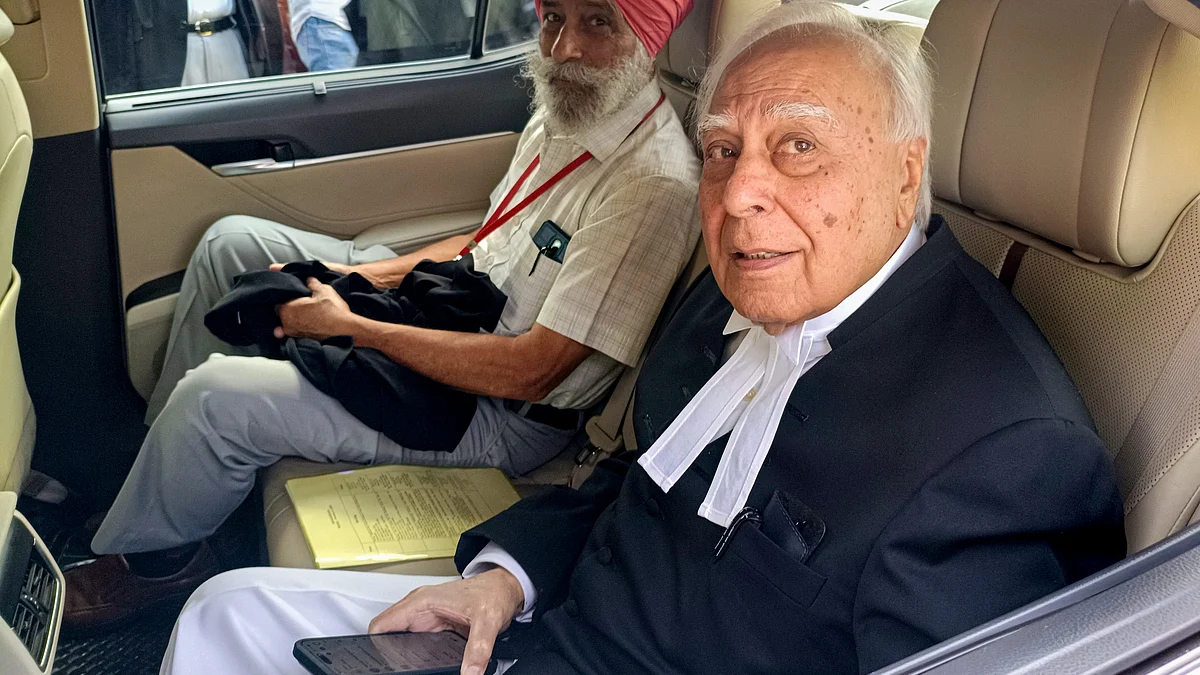


Senior advocate Kapil Sibal questioned the legality of preventive arrests linked to Delhi protests, asking why people were detained from trains, railway stations, homes and other states under Section 163 of the BNSS
Sibal and lawyers’ groups alleged arbitrary detentions, physical assaults, confiscation of phones and denial of legal access, raising concerns over violations of arrest procedures and detainees’ rights
The Lawyers’ Association for Constitution demanded action over alleged police assault and illegal detention of lawyers, while questions remain over whether Delhi Police bodycam footage will be examined
“If prohibitory orders against public gatherings were in force at Jantar Mantar in Delhi, how and why were people being arrested from trains, railway stations and other states? Section 163 of the Bharatiya Nagarik Suraksha Sanhita (BNSS) — the provision corresponding to Section 144 of the Code of Criminal Procedure (CrPC) — was not in force inside the Air India aircraft from which the three founders of the Cockroach Janta Party were detained,” senior advocate Kapil Sibal said at a press briefing on Saturday.
“How were people detained from their homes, and under which legal provision?” he asked.
He also questioned the propriety and legality of imposing Section 163 indiscriminately and for prolonged periods. The provision is intended to prevent threats to public order. Sibal asked what intelligence inputs had led Delhi Police to conclude that protests demanding electoral reforms and the resignation of the chief election commissioner (CEC) would adversely affect public order.
He questioned what he described as arbitrary police action. While police have the authority to detain and arrest people, the law requires them to communicate the grounds for arrest. Arrested individuals also have the right to consult a lawyer and inform their relatives. The police are required to inform the family where a detained person is being taken. However, the manner in which people were detained and arrested across New Delhi on 10 October resembled kidnapping more than lawful arrest, Sibal said.
Under what law are the mobile phones of detained individuals being seized, damaged or confiscated? Sibal also questioned the legal basis for denying lawyers access to people in police custody.
The senior advocate cited the case of Ratna Singh, a lawyer who heads the CJP’s legal division. She was detained while in her car, accompanied by two other lawyers.
On Saturday morning, as she was leaving home, two vehicles blocked her car. Plainclothes personnel in the vehicles identified themselves as members of the police and the Intelligence Bureau. When ordered to step out of her car, Singh refused.
At her request, her colleagues filed an application before the Chief Judicial Magistrate, alleging illegal police action. However, the advocate said, no order had been issued by 5 pm, although the application had been filed at 11 am.
Sibal listed the names of Mohsin Khan and Rajesh Mohan Gowda, both reportedly arrested in Karnataka, Ranjit Kolay, detained in Howrah, and Amina Khan, detained in Birbhum, among others. They were picked up from railway stations while travelling to Delhi. Sibal noted that not all of them intended to participate in the protests against the continued tenure of chief election commissioner Gyanesh Kumar. “What kind of preventive arrests are these?” he asked.
On Saturday, senior Supreme Court advocate Shadaan Farasat was allegedly manhandled by several police personnel on the Safdarjung flyover, physically lifted and detained. His shirt was reportedly torn during the incident.
The Lawyers’ Association for Constitution also filed a written complaint with the Delhi Police Commissioner, alleging that Supreme Court advocate Fidal Tom was assaulted by police and illegally detained at Sanjay Colony police station.
According to the association, no arrest memo had been produced, his family had not been informed of his detention, and lawyers who visited the police station were being denied access to him. Amid allegations that detained lawyers had been beaten in custody, the association demanded an immediate medical examination of those detained.
The alleged excessive and unlawful actions of Delhi Police on Saturday may have been recorded on officers’ body cameras. Delhi Police had said that all personnel were instructed to wear the cameras and keep them switched on to capture evidence of vandalism or violence by protesters, if necessary. The key question is who will examine the footage and whether the Supreme Court will call for it.