


Nvidia CEO calls robots ‘AI immigrants’, says automation can ease global labour shortage
Jensen Huang tells CES audience that robots will create jobs, not replace workers, as ageing populations strain manufacturing workforce
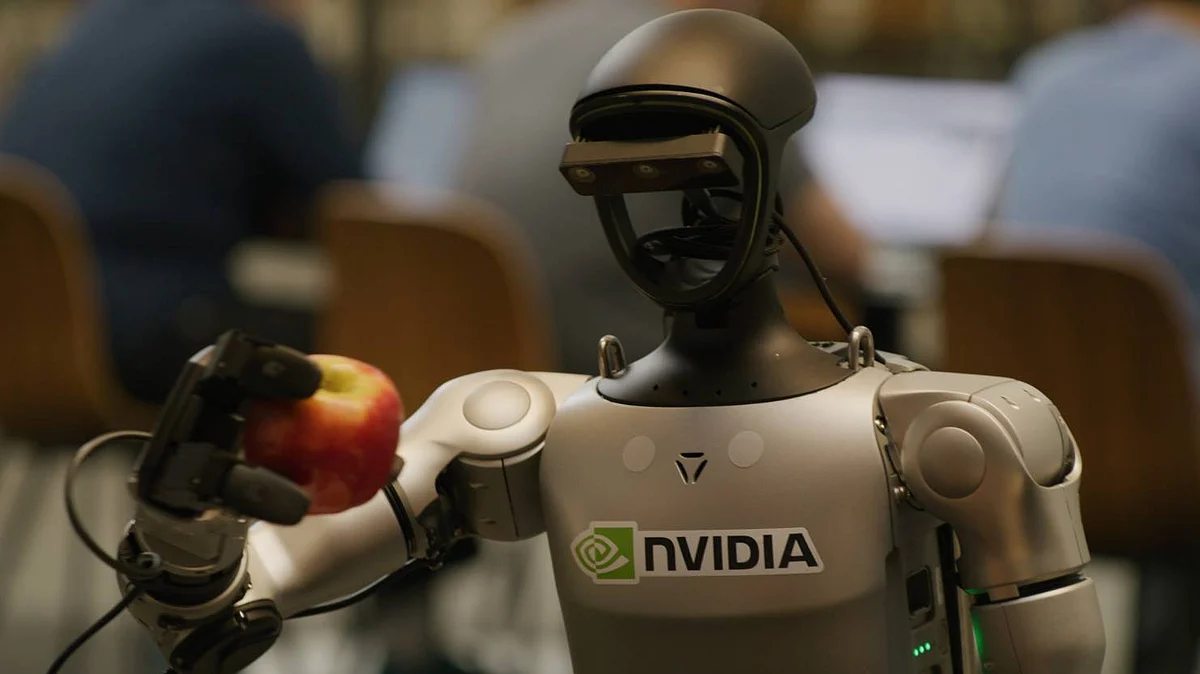


Nvidia chief executive Jensen Huang on Tuesday described robots as “AI immigrants”, arguing that automation can help solve a growing global labour shortage that is hurting manufacturing and other industries, while also creating new jobs rather than eliminating them.
Addressing concerns about machines replacing human workers, Huang struck an optimistic note during a 90-minute interaction with journalists and analysts on the sidelines of the Consumer Electronics Show (CES) in Las Vegas.
“Having robots will create jobs,” Huang said. “We need more AI immigrants to help us on manufacturing floors and do work that maybe we’ve decided not to do anymore.”
Huang was speaking to around 200 journalists and analysts at a hotel near the CES venue, where robots and artificial intelligence once again feature prominently among the technologies being showcased.
Labour shortage, not job loss
Huang said demographic trends, including ageing populations and declining birth rates, have created a workforce gap that runs into “tens of millions” globally.
According to him, a coming “robotics revolution” could offset labour losses, boost productivity and support economic growth rather than threaten employment.
“When the economy grows, we hire more people,” he said, dismissing fears that automation would inevitably lead to mass job losses.
His remarks echoed views expressed by other technology leaders, including Elon Musk of Tesla and SpaceX, who have frequently pointed to population decline and workforce ageing as reasons to accelerate automation.
Nvidia’s role in robotics push
Huang said Nvidia is investing heavily in foundational software platforms that enable robots to operate across multiple sectors, including:
Manufacturing, where labour shortages are most acute
Retail, for logistics and customer-facing automation
Healthcare, to support clinical and operational tasks
The goal, he said, is to move robots beyond novelty status and into the mainstream as practical tools that can support human workers.
Robotics has again emerged as a central theme at CES this year, which runs through Friday and is expected to draw around 1.3 lakh attendees. Companies are increasingly pitching robots as solutions to structural labour challenges rather than just experimental gadgets.
Framing automation as opportunity
Huang, who heads the world’s most valuable company with a market capitalisation of around $3.5 trillion, said the debate around artificial intelligence and robotics needed to shift from fear of displacement to the potential for economic expansion.
“We’re not replacing people,” he said. “We’re expanding what people can do.”
His comments come as governments and industries worldwide grapple with how to integrate AI and automation while safeguarding employment, skills and social stability — a debate that is set to intensify as robotics and generative AI move deeper into the workplace.
Join our official telegram channel (@nationalherald) and stay updated with the latest headlines