Advertorial
Can Poor Digestion Trigger Hair Loss?
Most people treat hair fall as a scalp problem. But sometimes the issue isn’t on your head, it’s in your stomach
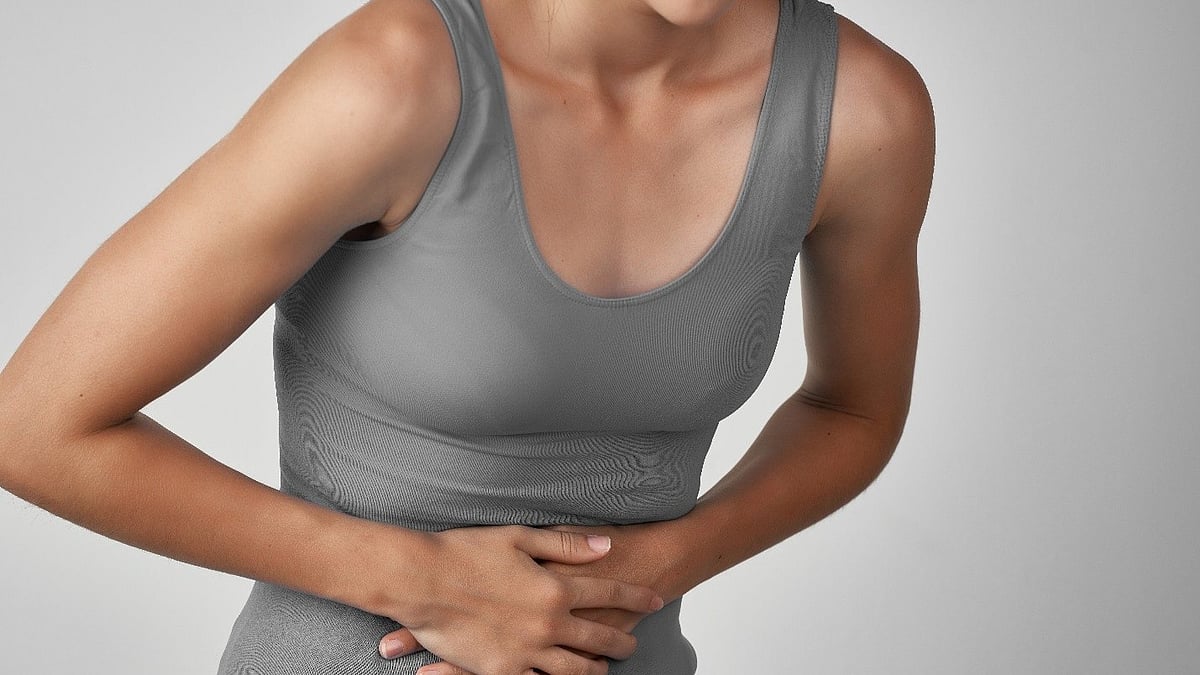
Most people treat hair fall as a scalp problem. They change shampoos, oils, or serums. But sometimes the issue isn’t on your head, it’s in your stomach.
Poor digestion is one of the most underestimated triggers behind chronic hair fall. You may be eating well and still losing hair because your body isn’t absorbing or processing nutrients properly.
Let’s unpack how this works.
Why digestion matters for hair growth
Hair follicles need a steady supply of:
Protein
Iron
Zinc
Vitamin D
B12
Essential fatty acids
All of these nutrients are absorbed through your digestive system. If digestion is weak, inflamed, or imbalanced, nutrient delivery to hair roots becomes inefficient.
Hair is not a survival organ. When nutrients are limited, your body prioritizes vital organs first. Hair growth slows down or shedding increases.
Signs your digestion may be affecting your hair
You might want to look deeper if hair fall comes with:
Frequent bloating
Constipation or irregular bowel movements
Acidity or reflux
Feeling heavy after meals
Undigested food in stools
Fatigue even after eating
These are signs that food may not be breaking down or absorbing efficiently.
The gut microbiome connection
Your gut contains trillions of bacteria that help digest food, produce certain vitamins, and regulate inflammation. When this balance is disturbed (called dysbiosis):
Inflammation increases
Nutrient absorption reduces
Immune stress rises
Hormonal balance may get affected
Chronic low-grade inflammation from gut imbalance can quietly weaken hair follicles over time.
Low stomach acid and enzyme deficiency
Many people assume acidity means too much acid. But in some cases, it’s actually low stomach acid or poor enzyme activity. When protein isn’t broken down properly:
Amino acid absorption drops
Keratin production weakens
Hair strands become thinner
Long-term use of antacids can sometimes worsen this cycle.
The iron absorption factor
Iron deficiency is one of the most common causes of hair fall, especially in women. But iron needs proper digestion to be absorbed. If gut health is poor, even iron-rich diets may not correct deficiency effectively.
This is why some people take supplements for months without seeing improvement in hair density.
Stress and digestion
Stress affects digestion directly. High cortisol levels can:
Slow gut motility
Reduce enzyme production
Increase gut permeability
Trigger inflammation
This creates a loop where stress affects digestion, and poor digestion worsens hair fall.
Can fixing digestion improve hair fall?
In many cases, yes, especially when hair loss is diffuse and not purely genetic. Improving digestion may help:
Enhance nutrient absorption
Reduce systemic inflammation
Improve hormonal stability
Support stronger regrowth
But this takes consistency. Gut repair is not an overnight fix.
What actually helps
Instead of extreme detoxes or random supplements, focus on:
Regular meal timing
Adequate protein intake
Including fiber and fermented foods
Reducing excessive sugar and processed food
Managing stress
Identifying food intolerances
Structured evaluation can help identify whether digestion is the real driver. This is where Traya’s root-cause mapping approach becomes useful, assessing gut health alongside nutrition, hormones, and scalp factors instead of isolating hair fall as a standalone issue.
Poor digestion absolutely can trigger hair loss, not directly, but by starving your follicles of what they need to function properly.
If your hair fall persists despite eating well and using good products, it may be time to look at your gut. When digestion improves, hair often follows.
This is an advertorial. The article is published as received.
Join our official telegram channel (@nationalherald) and stay updated with the latest headlines