Advertorial
Dr Harish Grover, Painflame Clinic Expand Non-Surgical Neck Pain & Cervical Rehab Services In Delhi-NCR
Clinicians at Painflame emphasize the importance of identifying red-flag symptoms that require urgent medical attention
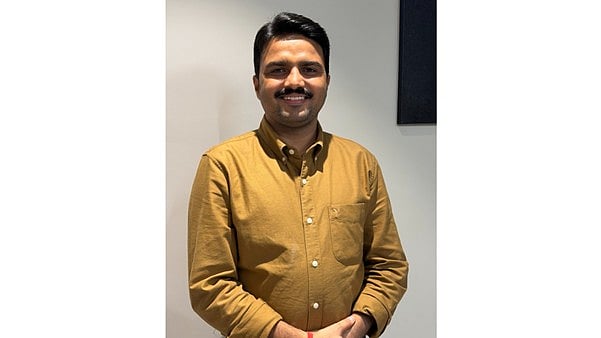
As screen reliance, extended desk hours, and tech-neck biomechanics drive a sharp increase in musculoskeletal disorders, specialized non-surgical cervical spine rehabilitation is rapidly becoming an essential alternative to invasive interventions. Painflame Clinic, an advanced spine and musculoskeletal rehabilitation center spearheaded by Dr. Harish Grover, known widely as “The Spine Healer of India,” has introduced comprehensive, evidence-based clinical protocols for treating persistent neck pain, cervical spondylosis, and radiculopathy across its Gurugram and Paschim Vihar centers.
The human cervical spine comprises seven stacked vertebrae responsible for supporting an average head weight of approximately five kilograms while maintaining multidirectional mobility and housing vital nerve roots and vascular supply to the brain and upper extremities. According to clinical data from Painflame Clinic, sustained forward-head posture—frequently induced by prolonged smartphone usage, unoptimized desk setups, and long daily commutes—places extreme strain on cervical musculature and disc structures. Over time, mechanical postural strain often progresses to disc degeneration, joint facet irritation, and cervical nerve root compression, producing radiating arm numbness, chronic tension headaches radiating from the base of the skull, and severe functional limitations.
Dr. Harish Grover, who was recognized as India’s Best Chiropractor in 2025 and holds specialized credentials including a Ph.D. in Spine and Disc Bulge Rehabilitation, an M.Chiro (CCE USA), and a Diploma in Osteopathy from Canada, advocates for early clinical assessment over reliance on passive adaptation or long-term medication. Painflame Clinic’s clinical approach utilizes thorough functional diagnostics, examining nerve conduction, cervical range of motion, muscle balance, and postural alignment before initiating customized treatment pathways.
Treatment delivery at Painflame Clinic integrates targeted physiotherapy, specialized manual therapy, joint mobilization, chiropractic adjustments, and ergonomic re-education. Acute mechanical tightness is targeted through manual soft-tissue releases to restore full range of motion, while customized strengthening protocols reinforce deep cervical flexor and postural endurance muscles to eliminate recurring stress. For patients with disc-related nerve compression, gentle spinal decompression and nerve mobilization techniques are deployed to alleviate pressure without surgical intervention. In addition to in-clinic consultations, Painflame provides home physiotherapy options to support treatment adherence for busy urban professionals and individuals with mobility constraints.
Clinicians at Painflame emphasize the importance of identifying red-flag symptoms that require urgent medical attention rather than routine self-management, including radiating motor weakness, loss of coordination or balance, systemic signs such as fever and unexplained weight loss, or severe progressive headaches. For common postural and disc-related issues, recovery typically spans two to four weeks for muscular conditions and six to eight weeks for complex nerve-involvement cases, reinforced by simple daily habits like maintaining eye-level screens, taking regular movement breaks, and optimizing ergonomic sleeping support.
Join our official telegram channel (@nationalherald) and stay updated with the latest headlines