Advertorial
How to Choose the Best Health Insurance for Senior Citizens
If a senior citizen already has a health condition, check how the policy treats it before buying
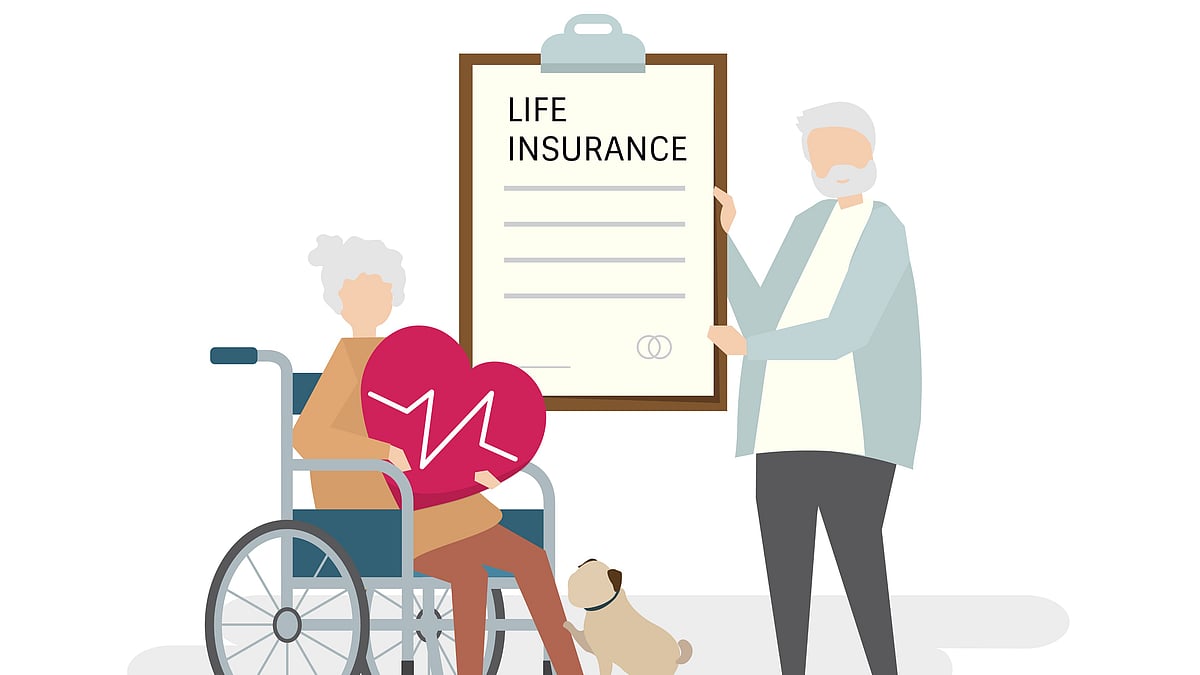
You tried convincing a parent to get a health check-up, only to hear, “I am perfectly fine.” It is a familiar scene in many families. But healthcare needs can change with age, making health insurance for senior citizens worth planning for in advance. If you are comparing health insurance plans, a few details deserve your attention before you make a choice.
How Much Sum Insured Should You Consider?
Healthcare costs vary by location, hospital, treatment, and individual needs, so consider the medical expenses you may realistically need to plan for.
Look beyond the headline amount, too. A policy can have sub-limits or specific conditions attached to particular expenses. Checking these details alongside the sum insured gives you a clearer basis for comparison.
Which Policy Terms Deserve Your Attention First?
When you compare health insurance plans, some terms deserve a closer look than others. Here is a checklist:
Why Should You Check Pre-Existing Disease Provisions?
If a senior citizen already has a health condition, check how the policy treats it before buying. The policy may specify a waiting period for pre-existing diseases, and the applicable period can differ between policies.
So, do not judge a policy by the waiting period alone. Check the definition of a pre-existing disease, the applicable waiting period, and any related terms in the policy document.
Does the Hospital Network Need a Closer Look?
Yes, especially if you already have preferred hospitals or doctors in mind. Check the insurer’s current network list and see whether hospitals that are convenient for the family are included.
This is also worth revisiting before renewal because hospital networks and arrangements can change. Cashless facilities are arrangements where the insurer pays the hospital directly, subject to the applicable policy terms.
Should You Look Beyond the Premium?
A low premium can look tempting, but there is more to compare. Check the sum insured, co-payment, waiting periods, room rent limits, sub-limits, and other terms alongside the price.
It is also worth checking the renewal terms before you buy. See what the policy says about renewal and any changes that may apply later. These details are easy to skip when you are focused on the premium, but they are important when comparing policies.
What Should You Check Before Making the Final Choice?
Before settling on a policy, think about the person it is meant for. Their age, current health needs, preferred hospitals, and budget can all influence what feels practical. You should also be comfortable with the policy’s conditions and any costs you may have to bear.
If something in the policy document is unclear, ask the insurer about it before making a decision.
Conclusion
For senior citizens, choosing health insurance is a decision you will want to feel comfortable with long after the paperwork is done. Take the time to understand what you are buying, question anything that seems unclear, and choose based on the needs of the person who will actually use the policy. A considered decision today can make the policy easier to understand when you need to rely on it.
Join our official telegram channel (@nationalherald) and stay updated with the latest headlines