World
A pause or a lull before the storm?
There has been no regime change in Tehran, no decisive military breakthrough for Washington, and no clear pathway toward long-term stability
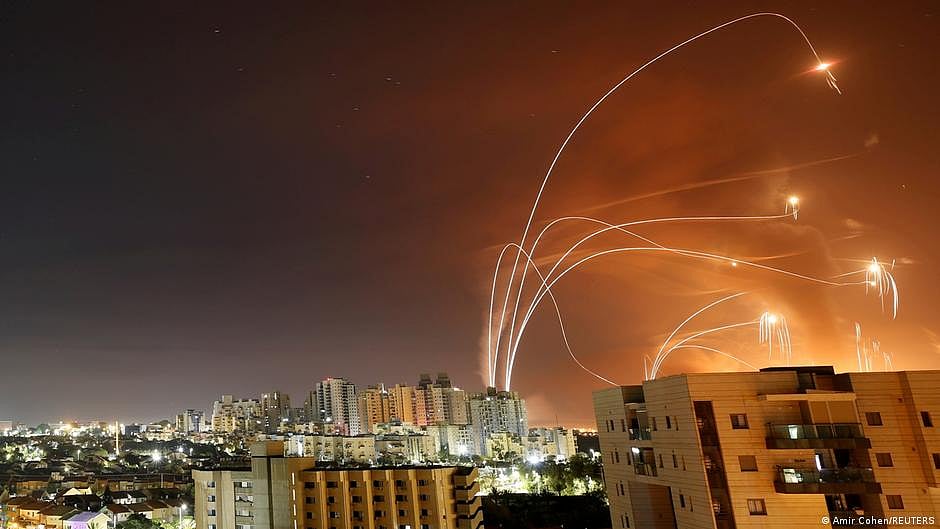
The announcement of a two-week ceasefire between the United States and Iran on the night of April 7 has brought a fragile quiet to a region that, for nearly forty days, stood on the brink of a catastrophic escalation. Yet beneath the surface calm lies a deeper question—whether this ceasefire represents the first step toward de-escalation, or merely an intermission in a conflict whose structural drivers remain firmly intact.
The language emerging from both sides offers little comfort to those hoping for a durable peace. In a post on Truth Social, Donald Trump declared the ceasefire a “tremendous victory,” praising American resolve while acknowledging diplomatic efforts—particularly crediting Pakistan for its role in facilitating backchannel negotiations. Almost simultaneously, Iran’s Foreign Minister Seyyed Abbas Aragchi issued his own statement portraying the halt in hostilities as a triumph of Iranian resistance, again thanking Pakistan for its mediation.
Such mirrored declarations of victory are not uncommon in modern warfare, but they often signal something more troubling: a ceasefire built not on resolution, but on competing narratives. When both parties claim to have prevailed, neither is likely to feel compelled to make substantive concessions.
At the heart of the current impasse lies Iran’s sweeping ten-point proposal, which effectively outlines the terms for a post-war regional order. These demands—ranging from guarantees of non-aggression and the lifting of all sanctions to the recognition of Iran’s nuclear enrichment rights and the withdrawal of U.S. forces from the region—are not merely negotiating points. They represent a maximalist vision that Washington has historically resisted.
Equally significant is Iran’s insistence on maintaining control over the Strait of Hormuz, a chokepoint through which nearly a fifth of the world’s oil supply passes. While the ceasefire includes provisions for conditional reopening of the strait, Tehran’s continued leverage over this artery of global commerce ensures that the economic dimensions of the conflict remain unresolved. Any disruption here reverberates far beyond the Gulf, affecting energy markets and global inflationary pressures.
The human and material costs of the conflict further complicate the prospects for peace. Reports indicate significant casualties on both sides, alongside billions of dollars in military expenditure. Yet, despite the scale of the confrontation, the strategic outcomes appear ambiguous. There has been no regime change in Tehran, no decisive military breakthrough for Washington, and no clear pathway toward long-term stability.
Instead, what has emerged is a war of endurance—one in which survival itself is framed as victory. Iran’s ability to absorb sustained military pressure while maintaining state functionality has been projected domestically as proof of resilience. For the United States, the cessation of hostilities offers a temporary reprieve from a conflict that risked spiraling into a broader regional war.
This ambiguity extends to the geopolitical fallout. Pakistan’s unexpected emergence as a mediator has altered regional perceptions, positioning Islamabad as a diplomatic interlocutor at a moment of global crisis. Meanwhile, traditional power alignments appear increasingly fluid, with allies and adversaries recalibrating their strategies in response to the evolving conflict.
Yet the most critical factor undermining the durability of the ceasefire is the explicit acknowledgment—particularly from Tehran—that this is not the end of the war. Negotiations scheduled to follow are intended to “finalize details,” not to fundamentally alter the underlying disputes. The distinction is crucial. A ceasefire that precedes substantive negotiations can pave the way for peace; one that merely postpones confrontation risks becoming a prelude to renewed hostilities.
History offers sobering precedents. Temporary ceasefires in conflicts from the Middle East to Eastern Europe have often served as tactical pauses, allowing combatants to regroup, reassess, and rearm. Without enforceable guarantees, verification mechanisms, and mutual concessions, such arrangements rarely endure.
In the present case, the asymmetry of expectations further complicates matters. Iran seeks structural changes to the regional order and relief from decades of sanctions. The United States, on the other hand, is unlikely to concede on issues such as military presence or nuclear oversight without significant reciprocal commitments. This gap between demands and deliverables suggests that negotiations may prove as contentious as the conflict itself.
Moreover, the broader regional context remains volatile. The involvement—direct or indirect—of actors such as Israel and various non-state groups ensures that the conflict cannot be neatly contained. Any flare-up on ancillary fronts could quickly unravel the fragile truce.
Ultimately, the ceasefire appears less like a resolution and more like a recalibration. It provides both sides with an opportunity to consolidate gains, manage domestic narratives, and prepare for the next phase—whether diplomatic or military.
For now, the guns have fallen silent. Oil tankers may cautiously resume their passage. Diplomats will convene in carefully choreographed negotiations. But the fundamental questions remain unanswered, the grievances unaddressed, and the ambitions undiminished.
In that sense, the ceasefire is not an end, but a question mark.
Is this a genuine opening for peace, or simply a pause before the storm?
~Hasnain Naqvi is a former member of the history faculty at St. Xavier’s College, Mumbai
Join our official telegram channel (@nationalherald) and stay updated with the latest headlines