


Israel backs US 2-week ceasefire with Iran; says Lebanon not part of deal
Netanyahu supports pause in strikes subject to reopening of Strait of Hormuz
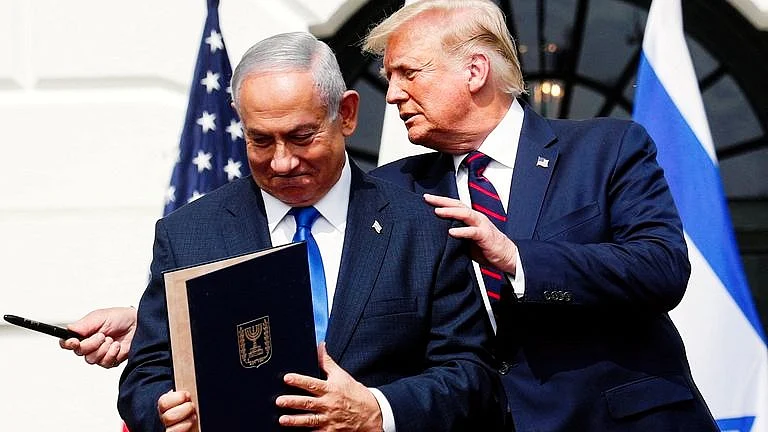


Israeli Prime Minister Benjamin Netanyahu on Wednesday backed a two-week ceasefire proposal announced by US President Donald Trump with Iran, stating that the arrangement does not include Lebanon.
In a statement, Netanyahu’s office said Israel supports Washington’s decision to suspend strikes for two weeks, subject to Iran reopening maritime routes and halting attacks.
“Israel supports President Trump’s decision to suspend strikes against Iran for two weeks, subject to Iran immediately opening the straits and stopping all attacks on the US, Israel and countries in the region,” the statement said.
Lebanon excluded from ceasefire
The Israeli Prime Minister’s Office said the proposed ceasefire does not extend to Lebanon, amid claims by some intermediaries suggesting otherwise.
“The two-week ceasefire does not include Lebanon,” the statement added.
Israel also expressed support for US efforts to address what it described as threats posed by Iran related to nuclear, missile and regional security concerns.
The statement said Washington has conveyed its commitment to pursue these objectives during upcoming negotiations.
Trump announces ceasefire proposal
Earlier, Trump announced a two-week ceasefire with Iran ahead of a deadline set for Tehran to reach an agreement with Washington.
The proposal is contingent on Iran pausing its blockade of oil and gas supplies through the Strait of Hormuz, a key global shipping route handling around one-fifth of global oil trade.
Trump said Iran had presented a 10-point proposal which he described as a “workable basis” for negotiations, adding that he expects an agreement to be finalised during the ceasefire period.
“This will be a double-sided ceasefire,” Trump said on his social media platform, adding that military objectives had been achieved and negotiations were progressing towards a longer-term agreement.
Tensions between Iran, Israel and the United States have escalated in recent days amid disruptions in shipping through the Strait of Hormuz and continued military exchanges in the region.
The ceasefire proposal is seen as an effort to de-escalate hostilities and create space for negotiations on a broader agreement concerning regional security.
Join our official telegram channel (@nationalherald) and stay updated with the latest headlines