World
Trump gives Iran 10–15 day deadline for nuclear deal, warns of further strikes
Iran denies seeking a nuclear weapon and says it is willing to limit uranium enrichment under strict international inspections
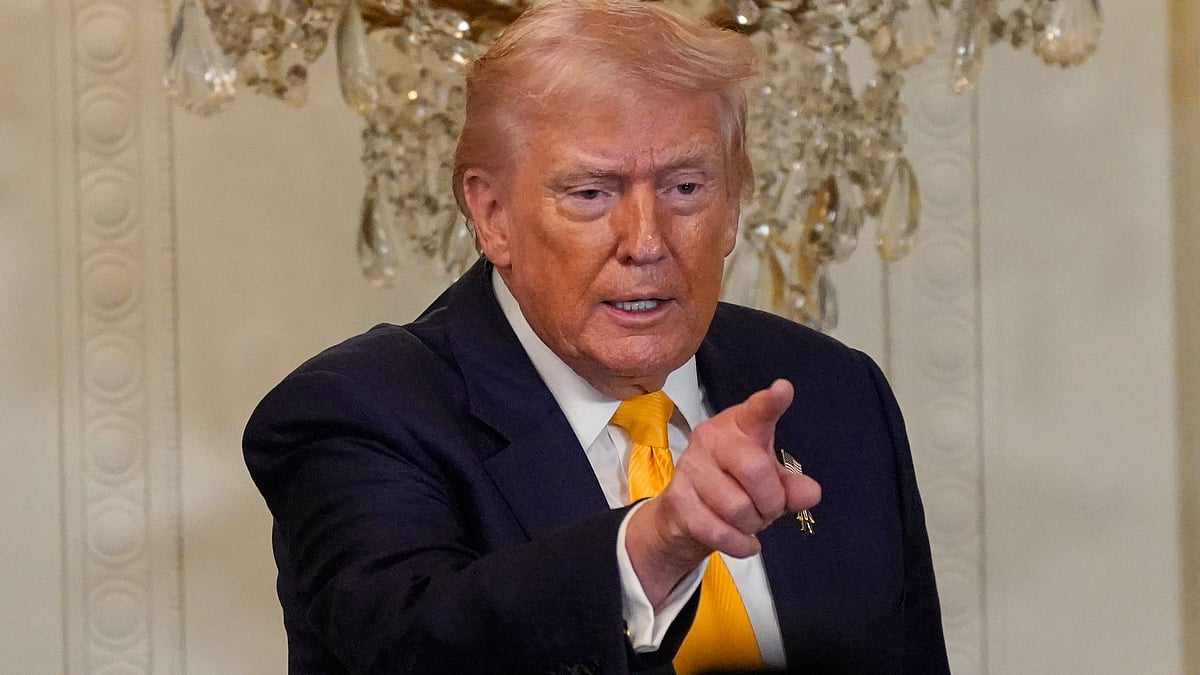
Donald Trump has once again sharpened his rhetoric toward Iran, warning that Tehran has roughly “10 to 15 days” to reach an agreement with Washington or risk further military strikes, the Al Jazeera reported.
Speaking at the inaugural Board of Peace meeting in Washington, DC, on Thursday, Trump cast the joint Israeli-US strikes on Iranian targets in June last year as a decisive turning point in the region. Those attacks, he argued, weakened Iran sufficiently to clear the path for what he described as a subsequent “ceasefire” in Gaza.
Without the US assault on Iran’s nuclear facilities, Trump said, the “threat” posed by Tehran would have deterred regional actors from embracing what he called “peace in the Middle East”.
“So now we may have to take it a step further, or we may not,” he said, leaving the prospect of escalation hanging in the air. “Maybe we’re going to make a deal. You’re going to be finding out over the next probably 10 days.”
His remarks come just days after Washington and Tehran concluded a second round of indirect talks. On Wednesday, Iran’s foreign minister Abbas Araghchi said negotiators in Geneva had made “good progress” and reached “broad agreement on a set of guiding principles” for a potential accord.
Yet diplomacy has unfolded alongside a conspicuous show of force. The United States has continued to build up its military presence in the Gulf, deploying two aircraft carriers and dozens of fighter jets — a reminder that negotiations are proceeding under the shadow of potential confrontation.
Iran, which denies seeking a nuclear weapon, has signalled willingness to curb its uranium enrichment and subject its programme to rigorous international inspections. But the Trump administration has drawn a hard line, insisting it would oppose any level of Iranian enrichment. Washington has also pushed for restrictions on Tehran’s missile arsenal — a demand Iranian officials have rejected outright, calling it a non-negotiable pillar of national defence.
On Thursday, Trump said his envoys, Steve Witkoff and Jared Kushner, had held “very good meetings” with Iranian representatives. “We have to make a meaningful deal. Otherwise, bad things happen,” he warned.
The ultimatum follows comments last week in which Trump said an agreement should be reached “over the next month,” cautioning that failure would bring “very traumatic” consequences.
Iran’s leadership has responded with defiance. In a pointed message posted on X, supreme leader Ali Khamenei dismissed US military posturing. “The Americans constantly say that they’ve sent a warship toward Iran,” he wrote. “Of course, a warship is a dangerous piece of military hardware. However, more dangerous than that warship is the weapon that can send that warship to the bottom of the sea.”
Tensions between Washington and Tehran have been steadily mounting since late 2025. During a December meeting with Israeli Prime Minister Benjamin Netanyahu, Trump pledged to strike Iran again if it attempted to rebuild its nuclear or missile programmes. Days later, antigovernment protests erupted inside Iran, and Trump publicly encouraged demonstrators, telling them that “help is on the way.”
Although Trump appeared to step back from the brink last month — citing Iran’s reported decision to halt the execution of dissidents under US pressure — the uneasy calm proved short-lived. The two sides resumed negotiations in Oman on February 6, marking their first formal talks since the June conflict, but hostile rhetoric has persisted even as diplomats shuttle between capitals.
The current standoff echoes an earlier rupture: in 2018, during his first term, Trump withdrew the United States from the multilateral nuclear agreement that had seen Iran scale back its programme in exchange for sanctions relief. That decision set in motion a cycle of escalation that continues to reverberate, with diplomacy and deterrence once again locked in a delicate, combustible balance.
Join our official telegram channel (@nationalherald) and stay updated with the latest headlines