World
Egyptian TV presenter Sarah Khalifa sentenced to death in drugs case
Khalifa, 39, rose to prominence as the presenter of “Mission Impossible”, a security and crime show on private Al-Mehwar TV
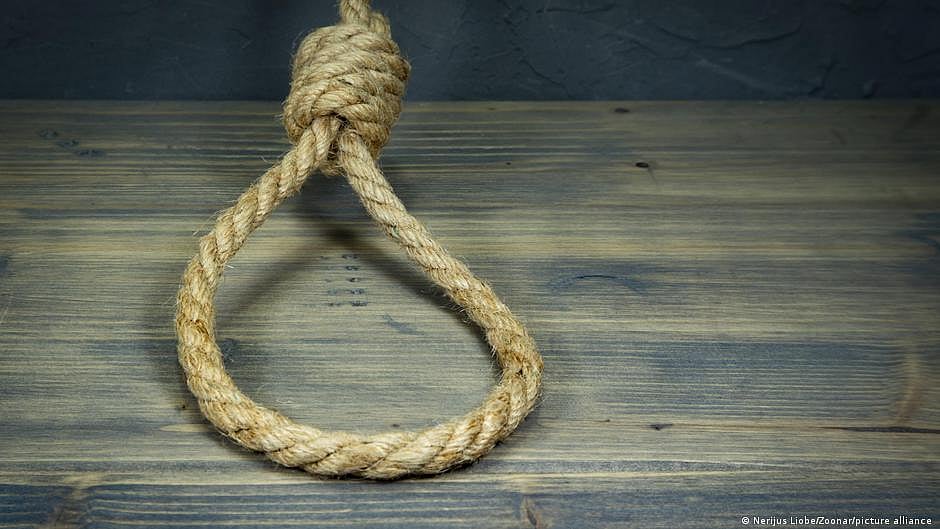
In a dramatic courtroom verdict, an Egyptian court has sentenced television presenter Sarah Khalifa and 11 other defendants to death by hanging after convicting them in a major drug case involving an alleged organised criminal network and more than 750kg of narcotics, the Al Jazeera reported.
The Cairo Criminal Court handed down the capital sentences after finding the defendants guilty of forming an organised gang allegedly engaged in procuring raw materials used in the manufacture of narcotics, with the intention of producing and trafficking drugs, state-linked Al-Ahram reported on Saturday.
The sweeping case, involving 28 defendants, ended with nine others receiving life imprisonment, while seven defendants were acquitted.
Khalifa, 39, a familiar face on Egyptian television, rose to prominence as the presenter of “Mission Impossible”, a security and crime programme that aired on the private Al-Mehwar TV channel.
Beyond television, Khalifa built a business career, running a cosmetic surgery clinic and an event-planning company. She also cultivated a substantial following on social media, where she has more than two million Instagram followers.
Khalifa has consistently denied the allegations against her and maintained that she had no involvement in drug-related activities. During questioning, she reportedly told investigators that she had “never smoked a cigarette in my life”, while insisting on her innocence.
During Saturday's court session, Egyptian media reported that Khalifa broke down in tears and appealed to the court for mercy.
“Please listen to me, sir,” she was quoted as saying. “My parents raised me well; they are people who pray, and I don’t need drug money.”
Prosecutors accused the group of importing raw materials from abroad for the manufacture of synthetic drugs and allegedly storing the materials at residential properties before processing and distribution.
According to investigators, members of the alleged network had clearly divided responsibilities, with different individuals involved in procuring materials, manufacturing narcotics and distributing the finished drugs.
Authorities said searches linked to the investigation led to the seizure of more than 750kg of narcotics, as well as unlicensed firearms and ammunition.
The prosecution further alleged that a residential property had been turned into a storage and manufacturing site for the materials used in producing the drugs.
The capital verdicts came after the court consulted Egypt's Grand Mufti, whose religious opinion is required in death-penalty cases. The opinion is non-binding, meaning the final decision rests with the court.
The defendants can challenge the verdict before Egypt's Court of Cassation. Under recent judicial reforms, defendants have two avenues of appeal, beginning with a request for a retrial before an appeals court.
Khalifa was arrested in April 2025 as part of the investigation into the alleged drug network.
In a separate case heard on Saturday, the same court sentenced her to three years in prison for assaulting and filming her driver.
Egypt retains the death penalty for a range of serious offences, including drug trafficking, terrorism and premeditated murder.
The latest verdict now places Khalifa and the other condemned defendants at the centre of a lengthy legal process, with their cases subject to further judicial review before any death sentence can be carried out.
Join our official telegram channel (@nationalherald) and stay updated with the latest headlines