


No relief in sight for Gaza as Israeli rivals promise to crush Hamas
Netanyahu and rival Gadi Eisenkot vow to end Hamas rule, while displaced Palestinians face worsening shortages and see little prospect of change
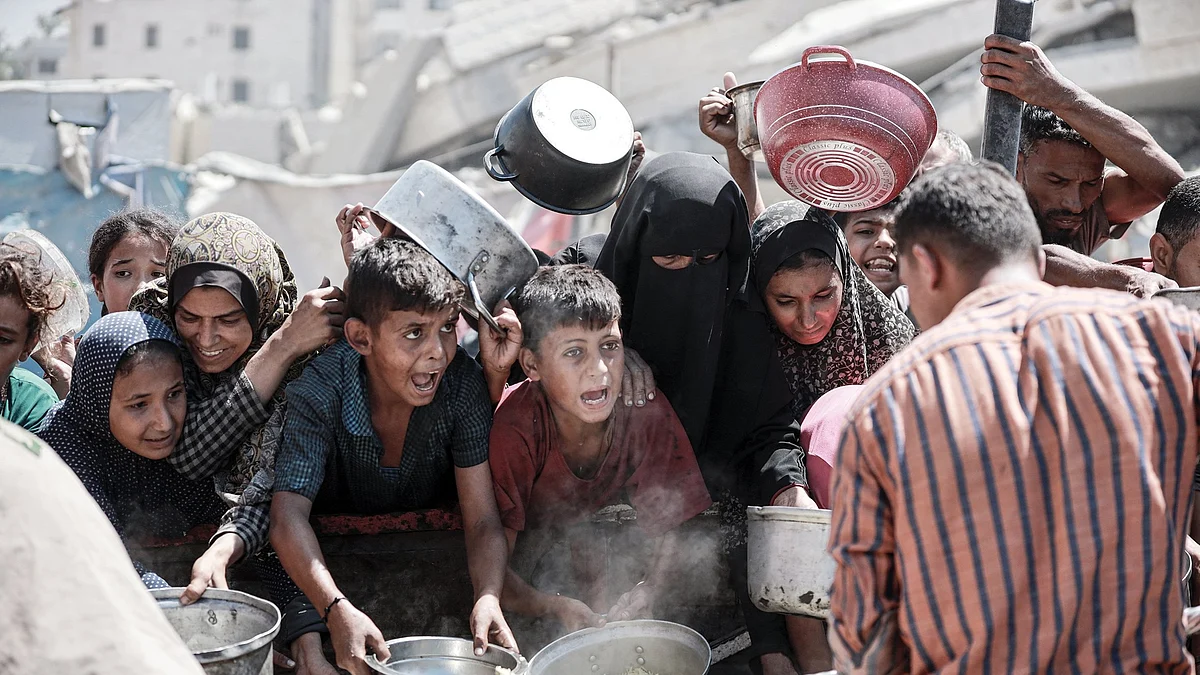


As Israel prepares to vote, Palestinians in Gaza fear that the outcome will bring little relief, with candidates focusing on ending Hamas rule while offering no clear plan for the territory’s future, according to a report by The Guardian.
Nearly a million displaced Palestinians face dire sanitary conditions, water shortages and the threat of renewed Israeli strikes, the report said. The humanitarian crisis has received little attention during the election campaign, which has largely centred on security following the 7 October 2023 Hamas attacks and the ensuing war.
Both Prime Minister Benjamin Netanyahu’s coalition and opposition leader Gadi Eisenkot have pledged to end Hamas rule and support US President Donald Trump’s peace plan.
Eisenkot, a former military chief whose party, Yashar, is leading Netanyahu’s Likud in opinion polls, has promised to restore Israel’s international standing after three years of war. However, Palestinians interviewed by The Guardian expressed little confidence that a change in leadership would improve their lives.
“We hope a government will come to power that is less inclined towards killing, displacement and our extermination,” Sami Abu Rumi, a displaced resident of Rafah now living in al-Mawasi, Khan Younis, told the newspaper.
He said Gaza’s suffering had become campaign fodder, while families struggled to feed their children, access medical care and cope with destroyed homes and infrastructure.
Eisenkot, whose son and two nephews were killed fighting in Gaza, previously championed the “Dahiya doctrine”, which advocated the use of overwhelming force against civilian areas where militants operated. Critics argue that the approach has contributed to widespread destruction in Gaza.
The Arab-led Joint List party has sought to draw attention to the humanitarian toll through an election video showing the ruins of Gaza. It accused other parties of treating mass deaths and the destruction of cities as normal, declaring that while its rivals wanted more destruction, it offered life.
The prospects of Arab parties joining an Eisenkot-led coalition remain slim, although they could potentially support it from outside government.
Food shortages deepen
Meanwhile, residents of Gaza have reported worsening shortages of food and other essentials, with commercial deliveries reportedly suspended for about a week. Flour prices have risen to more than three times their previous level, while dwindling humanitarian aid has left families increasingly vulnerable to hunger.
Many residents are too preoccupied with finding food and water to follow the Israeli election campaign. Others are watching closely, fearing that a victory for the far right could lead to renewed fighting and further displacement.
Haneen Hamdouna, a displaced resident of Beit Lahia, said Palestinians had repeatedly hoped that an incoming Israeli government would be better than its predecessor, only to be disappointed.
She told The Guardian that a rise in the number of aid trucks entering Gaza would not necessarily bring meaningful change to people’s lives.
The uncertainty has also affected personal milestones. Karim Mareesh, 43, said a friend had postponed his son’s wedding because he feared the war could resume after the election, forcing the family to flee again and lose the belongings they had saved.
For many Palestinians, the prospect of political change in Israel offers little reassurance. Noor AlMoghanni, 20, from Gaza City, said she no longer believed promises to address Palestinian suffering.
“Whether Netanyahu wins or loses, the reality here will not change,” she told The Guardian.