World
Russia reels from Ukraine losses, communications blackout, sweeping oil embargo
Zelenskyy has promised confidential shifts in defensive tactics and tighter oversight of frontline logistics
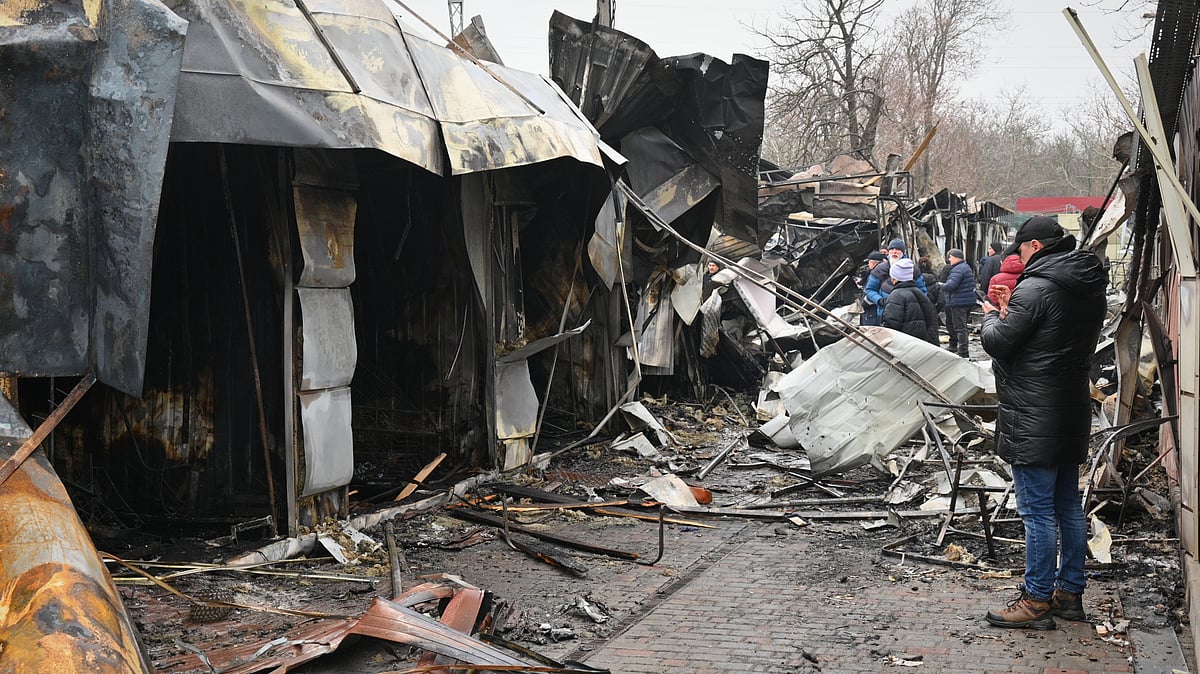
Russia unleashed a sweeping wave of fire across Ukraine’s cities on 7 February, the very day French defence minister Catherine Vautrin arrived in Kyiv — a grim reminder that diplomacy and destruction now move in parallel. The assault echoed an equally punishing barrage launched on 3 February during NATO secretary-general Mark Rutte’s visit, underscoring Moscow’s readiness to punctuate high-profile Western engagements with calculated force, the Al Jazeera reported.
Military analysts say the strikes reveal a deliberate pattern. Professor Phillips O’Brien of the University of St Andrews described a “progressive” strategy: initial blows concentrated on eastern cities near the front — including Kyiv — followed by westward strikes after Ukraine’s air defences had been stretched thin, the Al Jazeera reported.
Sunday’s onslaught was staggering in scale: 408 drones and 39 missiles streaked across Ukrainian skies. Ukrainian forces intercepted the vast majority, yet the few that pierced defences inflicted grave damage. Energy infrastructure was struck repeatedly, including facilities deemed critical to the operation of nuclear power plants, President Volodymyr Zelenskyy said. One plant shut down entirely; others curtailed output, deepening winter hardship.
For weeks, Russia has sought to plunge Ukraine into darkness. Temperatures have dipped to minus 20 degrees Celsius as emergency crews scramble to restore power and heat almost as quickly as fresh strikes knock them out. In Odesa alone, 300,000 residents were left without electricity and water after a recent barrage, with hundreds of buildings stripped of heat.
The human toll has been equally harrowing. In Bohodukhiv, a drone strike reduced a home to rubble, killing two toddler boys, their infant sister and their father; the pregnant mother survived. A day earlier, a 14-year-old girl and her mother were killed in Donetsk. Each attack adds to a mounting ledger of civilian loss.
Kyiv has vowed adaptation. Zelenskyy has promised confidential shifts in defensive tactics and tighter oversight of frontline logistics. At the same time, Ukraine has taken the war deeper into Russian territory. Ukrainian forces said they struck the Kapustin Yar test site in Astrakhan — more than 400 kilometres inside Russia — damaging missile preparation facilities. Days later, a research plant in the Tver region was targeted for producing dual-use goods.
While aerial exchanges dominate headlines, the ground war grinds on at high cost. Ukrainian commander-in-chief Oleksandr Syrskii reported 31,700 confirmed Russian casualties in January alone — 9,000 more than Russia’s monthly recruitment, he said — claiming Kyiv’s attritional strategy is bearing fruit.
Another setback reportedly hit Russian forces when SpaceX disconnected Starlink satellite terminals used by Moscow’s troops for communications and drone navigation. Ukrainian officials say the move reduced the intensity of Russian assaults in some sectors, even as Moscow scrambled to replace the systems and allegedly offered payments to Ukrainians willing to register terminals for Russian use.
Diplomacy flickers but fails to ignite. Two rounds of talks among Russia, Ukraine and the United States in Abu Dhabi have yielded only a prisoner exchange, not a ceasefire. Ukraine has indicated willingness for further dialogue, yet Moscow continues to reference undisclosed understandings between President Vladimir Putin and US President Donald Trump reached last year.
Meanwhile, Europe is sharpening economic pressure. On 6 February, the European Commission proposed sweeping new sanctions aimed at choking off Russian oil revenues — including a full maritime services ban on seaborne exports and expanded measures against Moscow’s “shadow fleet” of tankers. The bloc also moved to tighten financial restrictions and curb trade in metals, chemicals and sensitive technologies.
India, one of Russia’s largest oil customers, is reportedly scaling back purchases amid US pressure, a shift that could further constrict Moscow’s energy lifeline.
As missiles arc overhead and sanctions tighten below, the war enters yet another phase — one defined by relentless aerial barrages, strained energy grids, faltering diplomacy and a mounting contest over the economic arteries that sustain the conflict.
Join our official telegram channel (@nationalherald) and stay updated with the latest headlines