World
7 women win seats in Bangladesh polls amid record low female representation
Only 4.24 per cent of candidates were women in 13th parliamentary elections, raising concerns over political inclusion
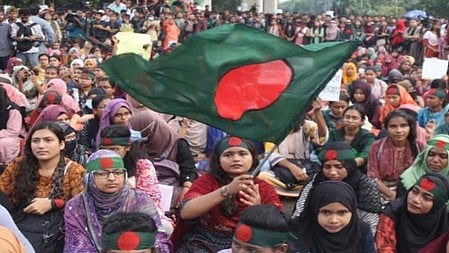
Seven women have been elected to Bangladesh’s new parliament despite what observers describe as the lowest level of female participation in the country’s electoral history.
According to unofficial results reported by local media, six of the successful candidates contested under the banner of the Bangladesh Nationalist Party (BNP), which is set to form the next government after securing an outright majority in the 13th parliamentary elections.
The BNP’s winning female candidates include Afroza Khan Rita (Manikganj-3), Israt Sultana Elen Bhutto (Jhalokati-2), Tahsina Rushdir Luna (Sylhet-2), Shama Obaid (Faridpur-2), Nayab Yusuf Kamal (Faridpur-3) and Farzana Sharmin Putul (Natore-1).
In addition, Rumin Farhana secured victory in Brahmanbaria-2 as an independent candidate, having previously been expelled from the BNP.
The modest number of successful women candidates comes against the backdrop of a sharp gender imbalance in nominations. Of the 2,568 candidates contesting the 12 February polls, only 109 — or 4.24 per cent — were women. Of these, 72 were nominated by political parties, with the remainder standing as independents.
The disparity was particularly pronounced among Islamist parties. Jamaat-e-Islami fielded 276 candidates without nominating a single woman, while Islami Andolan Bangladesh put forward 268 candidates, all male. The BNP itself, despite being led for decades by former prime minister Khaleda Zia, allocated tickets to just 10 women out of 328 nominees for 300 constituencies.
Other parties, including Bangladesh Khilafat Majlis, Khilafat Majlis and the Bangladesh Islami Front, also fielded exclusively male candidates.
As polling took place, the United Nations voiced concern over reports of violence and harassment directed at women candidates and voters, particularly online.
In a statement issued by its resident coordinator’s office in Dhaka, the UN called for a “zero-tolerance approach” to such incidents and underscored that safe and meaningful participation in public life is a fundamental right.
The statement noted a rise in cyberbullying, coordinated harassment and the circulation of manipulated or AI-generated content targeting women in public roles, including politicians, activists and journalists.
The elections were held amid wider criticism of the political climate during the interim administration led by Muhammad Yunus, with rights groups raising concerns about escalating violence against women and the limited inclusion of women in decision-making processes.
While the BNP prepares to form the next government, the low representation of women in the electoral contest has renewed debate over gender equality in Bangladesh’s political landscape.
With IANS input
Join our official telegram channel (@nationalherald) and stay updated with the latest headlines