World
US business groups, lawmakers welcome SC ruling against Trump tariffs
The coalition We Pay the Tariffs, which advocates for small businesses, echoes that call, demanding “full, fast and automatic” refunds
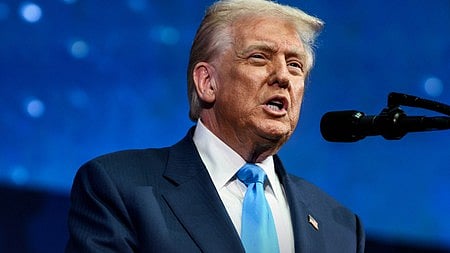
Business lobbies, advocacy coalitions and senior lawmakers across the United States greeted the Supreme Court’s decision with a mixture of relief and vindication after it struck down President Donald Trump’s use of emergency powers to impose sweeping tariffs.
In a decisive 6-3 ruling, the Supreme Court of the United States held that the executive branch had overstepped its constitutional bounds by invoking emergency authority to levy import taxes on most trading partners. The judgment declared many of the previous year’s tariffs unlawful, reaffirming that the power to impose taxes — including tariffs — rests with Congress.
For corporate America, the verdict was nothing short of a reprieve. Neil Bradley, executive vice president and chief policy officer at the US Chamber of Commerce, described the ruling as “welcome news for businesses and consumers,” pointing to the heavy toll the tariffs had exacted in the form of rising costs and snarled supply chains.
Bradley urged the administration to move swiftly to refund duties collected under what the court has now deemed unlawful measures and to recalibrate tariff policy in a way that fosters growth and lowers costs for American families.
The coalition We Pay the Tariffs, which advocates for small businesses, echoed that call, demanding “full, fast and automatic” refunds. Its members, the group said, had paid billions of dollars in duties that “never should have been imposed,” a financial burden that rippled through storefronts and factory floors alike.
On Capitol Hill, Mitch McConnell welcomed the judgment, saying the pitfalls of sweeping trade wars with America’s allies had long been evident. “The American people already know that when Washington throws up artificial barriers, building and buying here at home become more expensive,” he said, according to Xinhua.
Policy analysts suggested the ruling could narrow the executive branch’s ability to wield tariffs as a rapid-response geoeconomic weapon. Edward Fishman, a former State Department and Treasury official now at the Council on Foreign Relations, noted that while the decision may constrain emergency tariff powers, trade measures could still be pursued through other statutory routes in negotiations.
Even amid the applause, a note of caution lingered. Some business groups warned that uncertainty has not entirely lifted, expressing concern that tariffs might re-emerge under alternative legal authorities, keeping companies wary in an already unsettled global trade landscape.
With IANS inputs
Join our official telegram channel (@nationalherald) and stay updated with the latest headlines