World
US policies under Trump’s second term exacerbate food waste and hunger crisis
According to government estimates, over 47 million Americans do not have enough food to eat, despite hundreds of billions of dollars spent annually
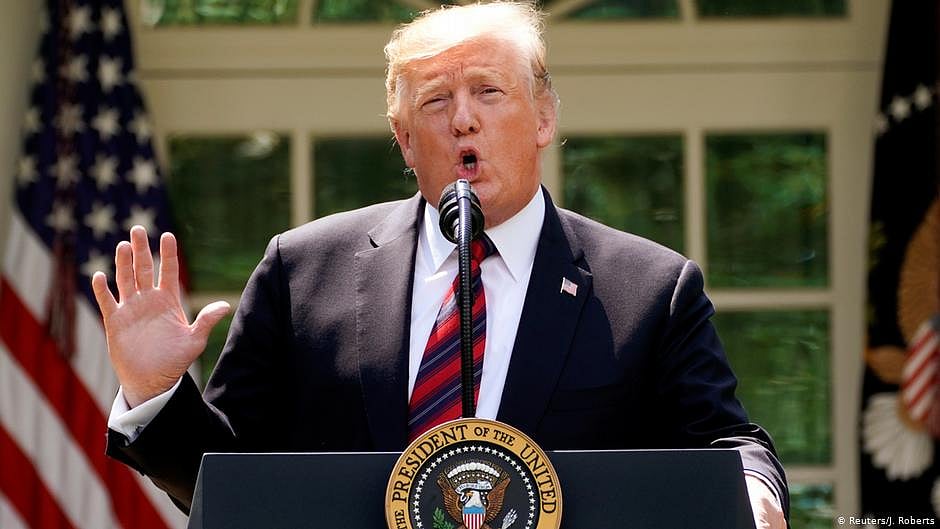
Under President Donald Trump’s second term, US government policies have significantly worsened food waste while millions of Americans go hungry. Measures such as immigration raids, tariff changes, and cuts to food assistance programmes have left farmers short of workers and funds, leading to crops and produce rotting in fields and warehouses, and millions of people facing food insecurity.
According to government estimates, over 47 million Americans do not have enough food to eat, despite hundreds of billions of dollars spent annually on federal and state food aid programmes. Meanwhile, nearly 40 per cent of the country’s food supply goes uneaten each year, equivalent to 120 billion meals. This is more than double what would be required to feed all those 47 million Americans three times daily for a year.
The economic and environmental costs are enormous. Wasted food squanders water and other resources, while decomposing produce emits over four million metric tons of methane annually, a potent greenhouse gas contributing to climate change.
Fresh produce, dairy, and other perishable foods require skilled labour for timely harvesting, processing, and distribution. Aggressive immigration enforcement under Trump’s administration has targeted agricultural fields, food processing plants, and distribution centres, arresting thousands of farmworkers and food-handling staff.
Reports indicate that in some regions, up to 70 per cent of workers stopped showing up to work by mid-2025 due to fear of deportation, leaving crops to rot. The US Department of Labour warned in October 2025 that such raids could cause “supply shock-induced food shortages,” threatening national food security.
The near-shutdown of the US Agency for International Development (USAID) in early 2025 led to massive destruction of ready-to-eat food aid. Stored biscuits worth $800,000 destined for starving populations in crisis zones expired in warehouses abroad, costing an additional $125,000 to incinerate. USAID estimates that up to 70,000 tons of food aid may have been destroyed during this period.
New tariffs imposed during Trump’s second term disrupted US agricultural exports, particularly soybeans to China. Farmers faced unsold stock, risking spoilage, while global buyers turned to other suppliers. Though some trade resumed later in 2025, prices remained lower and demand slower, exacerbating both economic loss and potential waste.
Several efficiency-focused measures have inadvertently increased waste. Mass firings of food safety staff have heightened the risk of disease outbreaks, such as the destruction of nearly 35,000 turkeys in Utah following a bird flu outbreak.
The cancellation of a programme helping schools and food banks purchase local produce forced farmers to scramble for buyers, while reductions to FEMA funding left communities and food storage facilities vulnerable to disaster-related spoilage.
The fall 2025 government shutdown further disrupted the SNAP food assistance programme, leaving grocers and families uncertain and pushing perishable food closer to waste. Attempts by retailers to discount goods for SNAP recipients were blocked by federal instructions, compounding the problem.
Food waste in the US predates the current administration, but Trump’s second-term policies have amplified the issue during a period of rising need. Experts warn that these policies, though promoted as efficiency measures, are worsening hunger and economic strain while harming the environment.
As Thanksgiving approaches, the stark contrast between wasted food and widespread hunger underscores the urgency of systemic reforms to protect both food security and public resources.
With PTI inputs
Join our official telegram channel (@nationalherald) and stay updated with the latest headlines