


West Asia conflict: UNESCO monitors damage to Tehran’s Golestan Palace
World heritage site reportedly hit as UNESCO urges protection of cultural heritage in the region
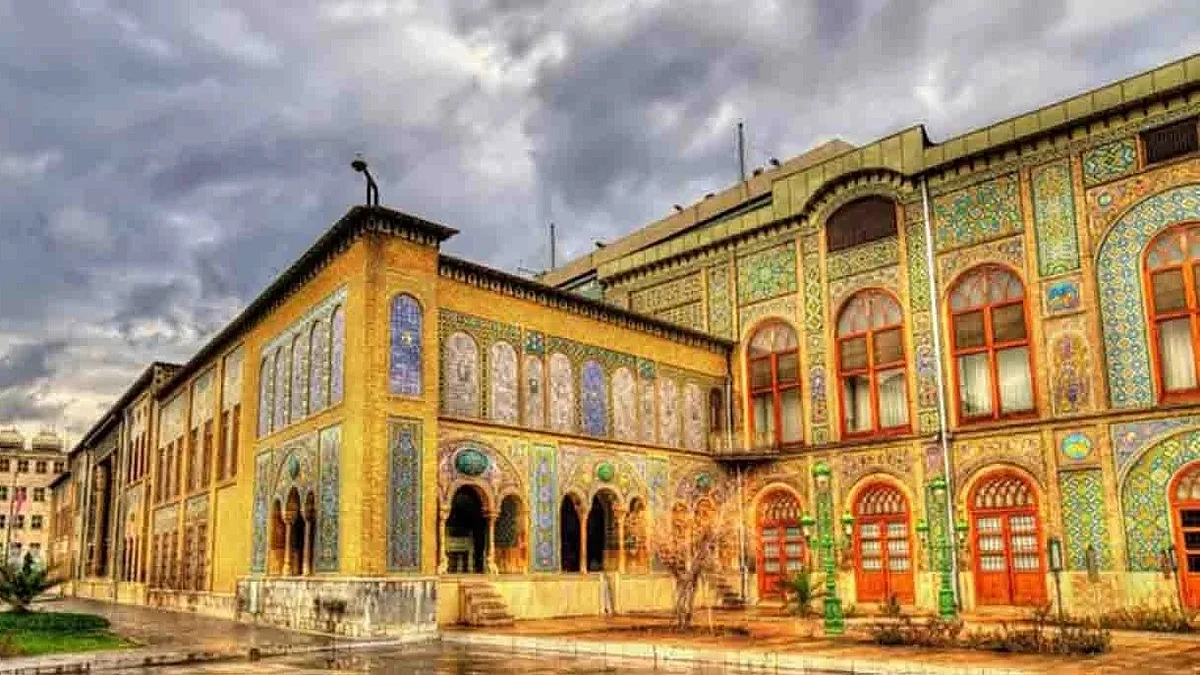


Amid reports that the iconic Golestan Palace—a UNESCO World Heritage Site in the heart of Tehran—has been damaged during the ongoing conflict in West Asia, the world body said it continues to “closely monitor” the situation of cultural heritage in Iran and across the region to ensure their protection.
In a statement, UNESCO said, “To that end, the organisation has communicated to all parties concerned the geographical coordinates of sites on the World Heritage List as well as those of national significance, to avoid any potential damage.”
The lavish Golestan Palace is a masterpiece of the Qajar era, embodying the “successful integration of earlier Persian crafts and architecture with Western influences,” reads its description on the UNESCO website.
Several international as well as Iranian media outlets reported the damage suffered by the palace, with some also sharing video clips of its facade and interior rooms.
According to UNESCO, Iran has 29 properties inscribed on the World Heritage List, including 27 in the cultural category and two in the natural category.
“On Monday, March 2, the Golestan Palace in Tehran, a UNESCO World Heritage site, was reportedly damaged by debris and the shock wave following an airstrike to the Arag Square, located in the buffer zone of the site in the Iranian capital,” it said in a statement issued on Monday.
UNESCO said it continues to “closely monitor the situation of cultural heritage” in the country and across the region, with a view to ensuring their protection.
UNESCO emphasised that cultural property is protected under international law, notably the 1954 Hague Convention for the Protection of Cultural Property in the Event of Armed Conflict, including its enhanced protection mechanism, as well as the 1972 Convention concerning the Protection of the World Cultural and Natural Heritage.
Golestan Palace is located in the heart and historic core of the Iranian capital.
“The walled Palace, one of the oldest groups of buildings in Teheran, became the seat of government of the Qajar family, which came into power in 1779 and made Teheran the capital of the country," reads the description on the website.
It is built around a garden featuring pools as well as planted areas, the palace’s most characteristic features and rich ornaments date from the 19th century, it said.
"It became a centre of Qajari arts and architecture, of which it is an outstanding example and has remained a source of inspiration for Iranian artists and architects to this day.
"It represents a new style incorporating traditional Persian arts and crafts and elements of 18th century architecture and technology,” it said.
Join our official telegram channel (@nationalherald) and stay updated with the latest headlines