World
US tariff shock batters Coimbatore–Tirupur industries; job losses mount
Job losses in textiles and engineering have crossed two lakh, rising beyond three lakh when allied sectors are included
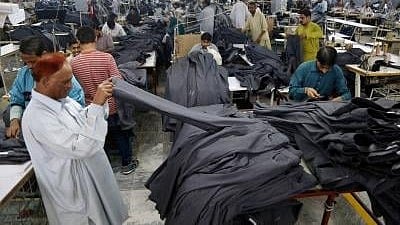
Once humming with the relentless rhythm of looms and lathes, the industrial heartlands of Coimbatore and Tirupur now echo with an uneasy silence. Long celebrated as engines of India’s textile and engineering prowess, the twin cities are enduring one of their harshest downturns in recent memory, battered by steep tariff hikes imposed by the United States that have rippled through factories, households and livelihoods.
For decades, these cities stitched together prosperity for several lakh workers drawn from across Tamil Nadu and beyond. Today, that fabric is fraying. Since Washington raised tariffs on Indian goods to 50 per cent in August last year, the region’s export-driven economy has been caught in a tightening vise, with factories shutting their gates, shifts shrinking and order books thinning by the day.
Industry estimates paint a grim picture. Job losses in textiles and engineering have already crossed two lakh, and when allied sectors such as castings, pumps and industrial valves are added, the number of affected workers is believed to exceed three lakh. For many families, the promise of steady work has given way to anxiety and uncertainty.
The blow to exports has been equally severe. According to Dhanabalan, vice-president for apparel export operations and business development at a private mill, annual textile exports from Coimbatore and Tirupur to the US once touched $1.7 billion. “Today,” he said, “nearly a billion dollars of that has vanished.”
“If the 50 per cent tariff continues,” he warned, “textile exports to the US could become virtually nil within a year.”
Beyond the headline levy lies an even heavier burden. Exporters note that the tariff stacks atop existing duties, all folded into the delivered duty paid (DDP) price — sharply inflating the final cost of Indian goods on American shelves. In contrast, competitors such as China and Bangladesh enjoy a cost advantage of nearly 30 per cent on DDP terms, leaving Indian products struggling to compete.
The anxiety has deepened further amid reports that US President Donald Trump is considering an extraordinary proposal: a 500 per cent tariff on countries that continue to buy Russian oil. For exporters already reeling, the idea borders on catastrophic.
“When a 50 per cent tariff itself is unthinkable, a 500 per cent tariff is simply impossible to absorb,” Dhanabalan said. “If such a proposal becomes reality, exports will fall further and job losses will surge.”
With clouds gathering over the US market, industry leaders are urgently calling for a change in course. They are pressing the Indian government and trade bodies to accelerate efforts to cultivate alternative destinations.
“The European Union and the UK must now be prioritised,” Dhanabalan said, stressing that diversification is no longer optional but essential for survival.
As global trade tensions escalate and uncertainty stalks export corridors, the fate of Coimbatore and Tirupur’s vast industrial workforce hangs delicately in the balance — a reminder that shifts in distant capitals can reverberate through factory floors thousands of miles away.
With IANS inputs
Join our official telegram channel (@nationalherald) and stay updated with the latest headlines