World
Voting begins in Bangladesh’s crucial parliamentary elections
Polling began at 7:30 am in 299 constituencies and will continue until 4:30 pm, with counting to start soon after
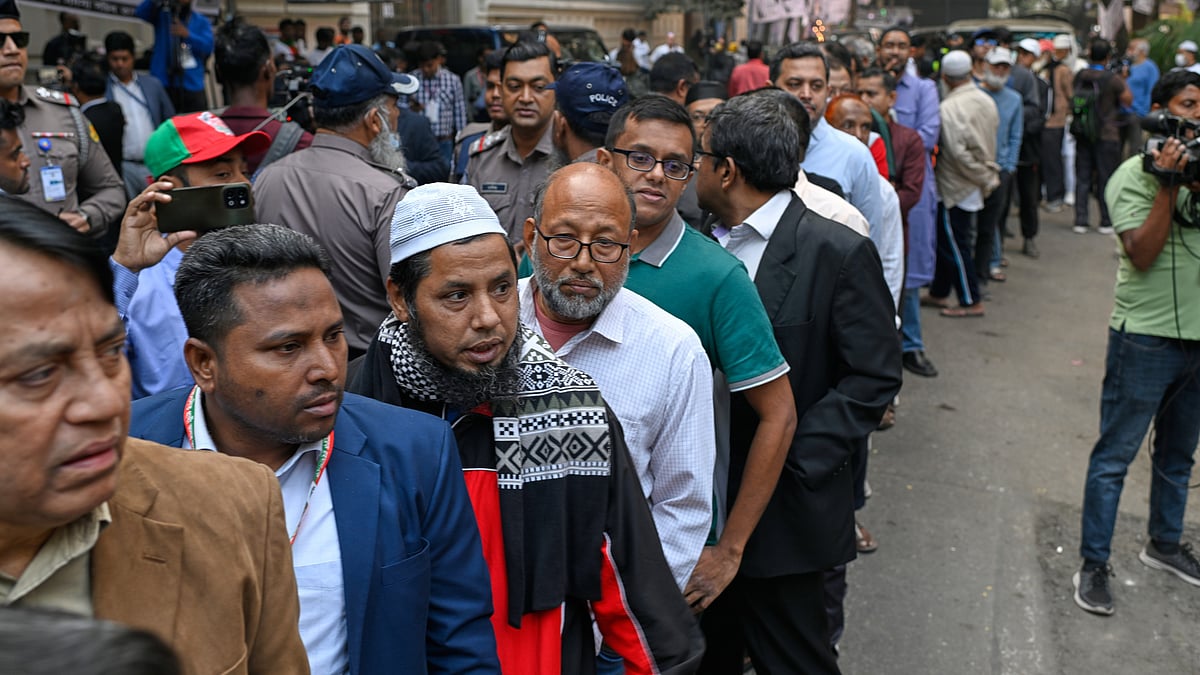
Under tight security and the watchful gaze of the international community, Bangladesh on Thursday began voting in a watershed general election — the first since the dramatic ouster of prime minister Sheikh Hasina following sweeping nationwide protests in August 2024.
Polling opened at 7:30 am across 299 of the country’s 300 parliamentary constituencies and will continue until 4:30 pm, with vote counting expected to commence soon after ballot boxes are sealed. Voting in one constituency has been cancelled following the death of a candidate.
The 13th parliamentary elections are being held alongside a referendum on an ambitious and intricate 84-point reform package, adding to the historic weight of the day.
In an unprecedented security mobilisation — the largest in Bangladesh’s electoral history — nearly one million security personnel have been deployed nationwide. According to Election Commissioner Abdur Rahmanel Machud, around 9,00,000 law enforcement officers are on duty, as reported by state-run BSS. Armoured Personnel Carriers (APCs) and Rapid Action Teams (RATs) have been stationed at strategic points in the capital, while, for the first time, drones and body-worn cameras are being used to monitor proceedings.
Authorities have flagged a significant number of polling stations as sensitive. Police submitted a list to the Election Commission identifying 1,614 of Dhaka’s 2,131 polling centres as risk-prone. The army, however, said it had marked two centres in the capital as “risky.”
The contest is primarily between the Bangladesh Nationalist Party (BNP) and its former ally Jamaat-e-Islami, in the conspicuous absence of Hasina’s Awami League, which was disbanded and barred from contesting by chief adviser Muhammad Yunus’ interim government last year.
A total of 1,755 candidates from 50 political parties, along with 273 independents, are vying for seats in the Jatiya Sangsad. The BNP has fielded 291 candidates — the highest among all parties. Women account for 83 of the candidates in the fray.
Addressing the nation on the eve of polling, chief election commissioner AMM Nasir Uddin urged citizens to cast their votes freely and appealed to political parties and candidates to uphold peace and democratic decorum. Yunus, who has pledged a swift transfer of power to an elected government, echoed the call for restraint, tolerance and orderly conduct.
The elections are being observed by representatives from 45 countries and organisations, including election management bodies and international institutions, lending the process global scrutiny.
Nearly 127 million voters are eligible to cast their ballots, with first-time voters accounting for approximately 3.58 per cent of the electorate. In a landmark step, nearly 8,00,000 expatriate Bangladeshis registered with the Election Commission are voting for the first time through an IT-based postal ballot system.
As Bangladesh stands at a pivotal crossroads, the outcome of this election is set to shape the country’s political future in the post-Hasina era.
With PTI inputs
Join our official telegram channel (@nationalherald) and stay updated with the latest headlines