Nation
Bhojshala row: SC to hear plea over location of alternative namaz site
Apex court directs Madhya Pradesh government to revisit prayer site for Muslims in Dhar; hearing scheduled for Friday
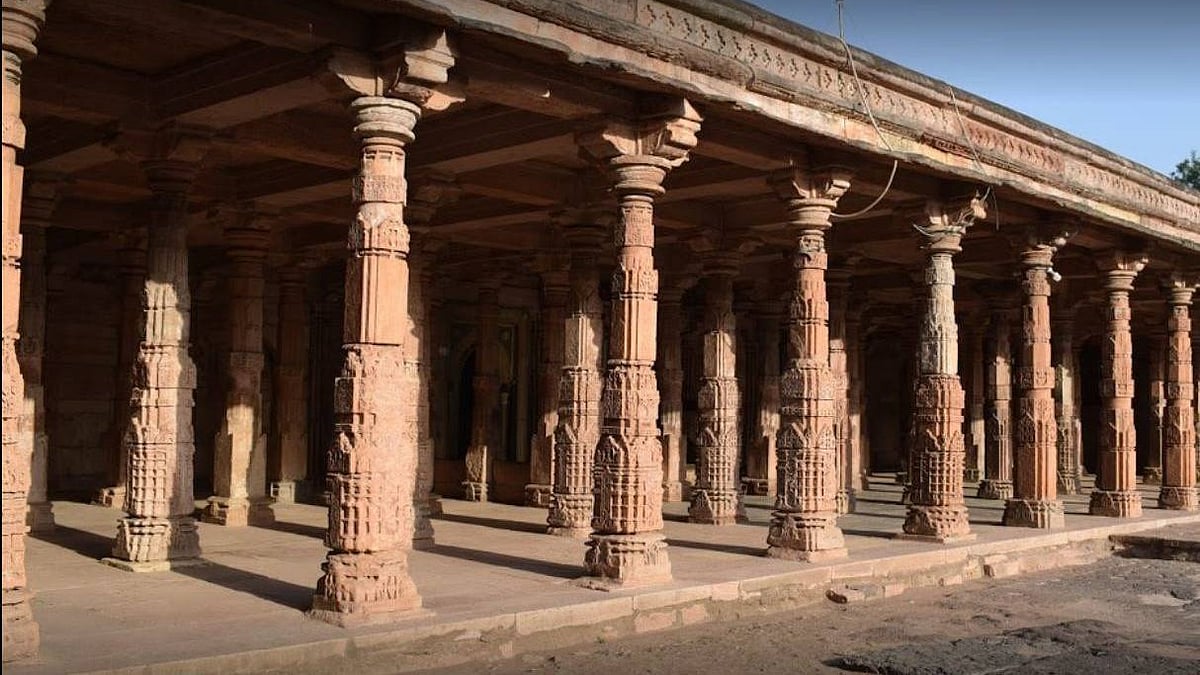
The Supreme Court of India on Wednesday, 22 July, agreed to hear a plea by the Muslim side challenging the location of the alternative site identified by the Madhya Pradesh government for Friday namaz in connection with the disputed Bhojshala complex in Dhar. The Muslim petitioners argued that the proposed site, located about 900 meters to 2 km away from the disputed complex, is too far and causes them to miss prayers.
The bench, led by Chief Justice Surya Kant and comprising Justices Joymalya Bagchi and V. Mohana, directed the state government, represented by Solicitor General Tushar Mehta, to explore options for identifying a prayer site adjacent to the Bhojshala complex as per an earlier court order.
Solicitor General Mehta assured the court that he would personally look into the matter and endeavour to find a closer, suitable location to adhere to the court’s directive for an interim arrangement. The bench emphasised that the earlier order providing space for prayers must be followed “in letter and spirit”, underscoring the sensitivity and importance of accommodating religious practices without compromising the ongoing judicial process. The matter has been listed for detailed hearing on Friday, with the solicitor general instructed to seek instructions from the state government on the feasibility of an adjacent site.
The dispute centers around the Bhojshala complex, an 11th-century monument in Dhar district, Madhya Pradesh, that is revered differently by Hindu and Muslim communities. Hindus consider it a temple dedicated to Goddess Saraswati, while Muslims refer to it as the Kamal Maula mosque. In May, the Madhya Pradesh High Court ruled the site as a Hindu temple, effectively nullifying a 2003 Archaeological Survey of India (ASI) order permitting Hindu worship on Tuesdays and Muslim prayers on Fridays.
(With agency inputs)
Join our official telegram channel (@nationalherald) and stay updated with the latest headlines