Nation
Calcutta HC sets up 5 fast-track courts for NEET paper leak cases
Court clarifies that fast-track courts are special arrangements and do not change judges' existing ranks or status
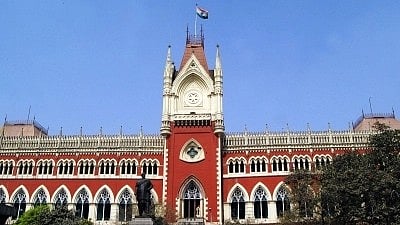
In a significant move aimed at restoring faith in the country’s examination system, the Calcutta High Court has paved the way for faster trials in NEET paper leak cases by designating five dedicated fast-track courts to exclusively handle offences linked to examination fraud.
The special courts — three in Kolkata and two in Port Blair — will focus on cases registered under the Public Examinations (Prevention of Unfair Means) Act, 2024, with the objective of ensuring swift hearings and timely verdicts in one of the most closely watched education-related controversies in recent years.
According to the court’s administrative order, the designated courts are expected to complete trials and pronounce final judgments preferably within three months from the filing of charge sheets, bringing a sharper sense of urgency to the proceedings.
The decision comes against the backdrop of widespread outrage over alleged irregularities in the NEET examination process, which triggered student protests across the country and intensified the debate over the transparency and credibility of competitive exams.
The controversy prompted the government to strengthen its legal response to examination fraud, treating paper leaks as organised criminal activities capable of affecting the future of millions of aspirants. The move also follows a broader push towards setting up mechanisms for faster prosecution of those accused of compromising public examinations.
The order issued by the registrar of the Calcutta High Court on 29 July identified specific courts to handle cases investigated by state and central agencies.
In Kolkata, Bench-I of the City Sessions Court has been designated to deal with matters investigated by state agencies, while the Special CBI Court No. 2, City Sessions Court will handle cases probed by central agencies. The Additional Chief Judicial Magistrate, 1st Court, Calcutta, will oversee matters involving investigation, judicial inquiry, cognisance, trial and related proceedings.
For cases arising in the Andaman and Nicobar Islands, which fall under the jurisdiction of the Calcutta High Court, the Additional District and Sessions Judge, Port Blair, and the Chief Judicial Magistrate, Port Blair, will conduct fast-track trials.
The court clarified that these designated fast-track courts are special arrangements for handling examination malpractice cases and do not alter the existing rank or status of the judicial officers presiding over them.
The dedicated courts are expected to ease the burden of complex investigations involving multiple accused, extensive documentary records, digital evidence and allegations of organised networks involved in leaking confidential examination material.
The NEET paper leak controversy has grown beyond allegations of individual wrongdoing, emerging as a wider challenge to the integrity of India’s public examination framework. Investigators have alleged the involvement of intermediaries and organised groups in the procurement and circulation of sensitive examination material.
The creation of specialised courts reflects a shift towards treating examination fraud as a serious offence requiring a coordinated legal response. The strengthened framework provides for stricter penalties, faster investigations and quicker disposal of cases.
The Supreme Court had earlier acknowledged that a paper leak occurred in the 2024 NEET examination and that some candidates benefited from the breach. However, it declined to order a nationwide re-test, citing a lack of evidence that the integrity of the entire examination process had been compromised.
At the same time, the apex court stressed the need for accountability and a thorough criminal investigation, leading agencies to expand their probes and file chargesheets against several accused.
Legal experts believe that dedicated courts could help reduce procedural delays, allow continuous hearings and improve coordination between investigators and prosecutors. If backed by adequate resources, the initiative could become a crucial step towards rebuilding public confidence in the fairness and credibility of competitive examinations.
With PTI inputs
Join our official telegram channel (@nationalherald) and stay updated with the latest headlines