Nation
Conversion to Christianity ends Scheduled Caste status, rules Supreme Court
Apex court says constitutional bar is absolute for those professing non-recognised religions
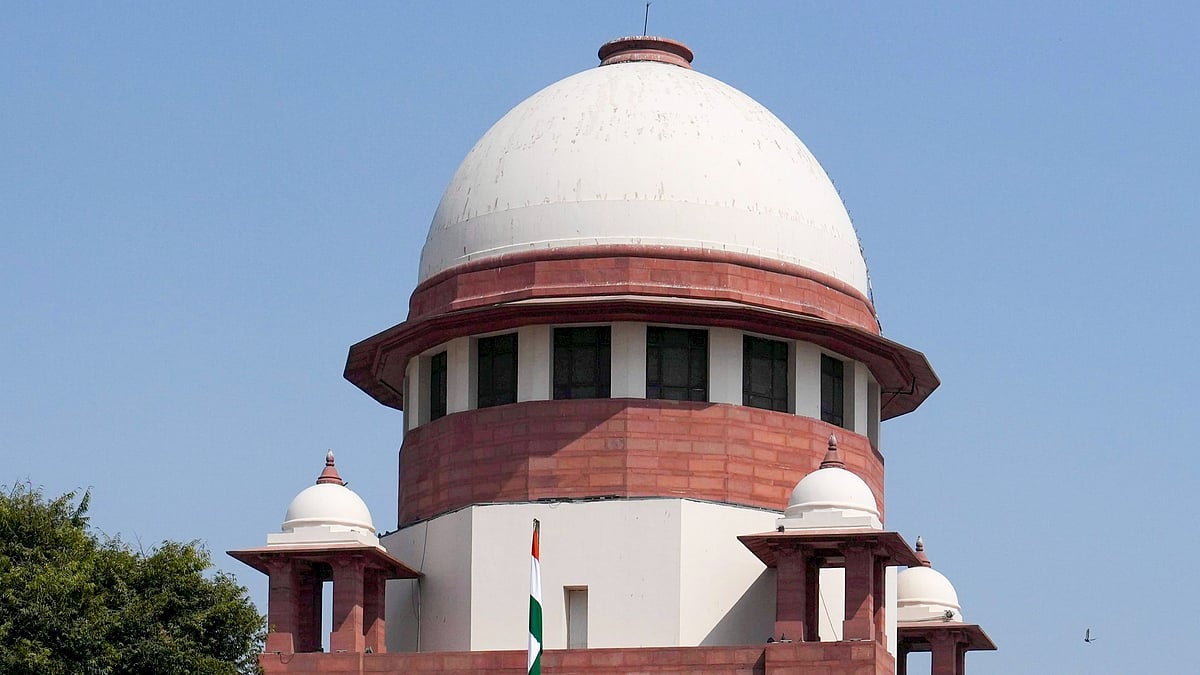
The Supreme Court of India has ruled that individuals who convert to Christianity cannot retain their Scheduled Caste status, affirming that such a change in religion leads to the immediate loss of associated constitutional protections.
A Bench comprising Justices Prashant Kumar Mishra and N.V. Anjaria upheld a decision of the Andhra Pradesh High Court, which had earlier taken a similar view.
The court observed that under the Constitution (Scheduled Castes) Order, 1950, only individuals professing Hinduism, Sikhism or Buddhism are eligible to be recognised as members of Scheduled Castes. It emphasised that the restriction is “absolute” and allows no exceptions.
In its judgment, the Bench noted that a person cannot simultaneously follow another religion and claim Scheduled Caste status. It pointed out that the appellant in the case had continued to practise Christianity and had been serving as a pastor for several years, which clearly established his religious identity.
The court further observed that there was no evidence to suggest that the individual had reconverted to his original faith or been re-accepted into his caste community.
The ruling stems from an earlier order of the Andhra Pradesh High Court, which had held that a person who had embraced Christianity and was working as a pastor could not seek protection under the Scheduled Castes and Scheduled Tribes (Prevention of Atrocities) Act, 1989.
The High Court had concluded that conversion to Christianity effectively removes an individual from the ambit of the caste system, and therefore from the legal safeguards designed specifically for Scheduled Castes.
With the Supreme Court now affirming this position, the judgment reinforces the legal framework governing caste-based protections and clarifies that religious identity remains a determining factor in eligibility under existing constitutional provisions.
With IANS inputs
Join our official telegram channel (@nationalherald) and stay updated with the latest headlines