Nation
Delhi imposes GRAP-1 curbs as AQI turns ‘poor’; Metro to run 20 extra trips daily
Delhi recorded its first ‘poor’ air quality day of the season on Wednesday, with the AQI reaching 247. The Delhi Metro will add 20 weekday trips and step up dust-control measures
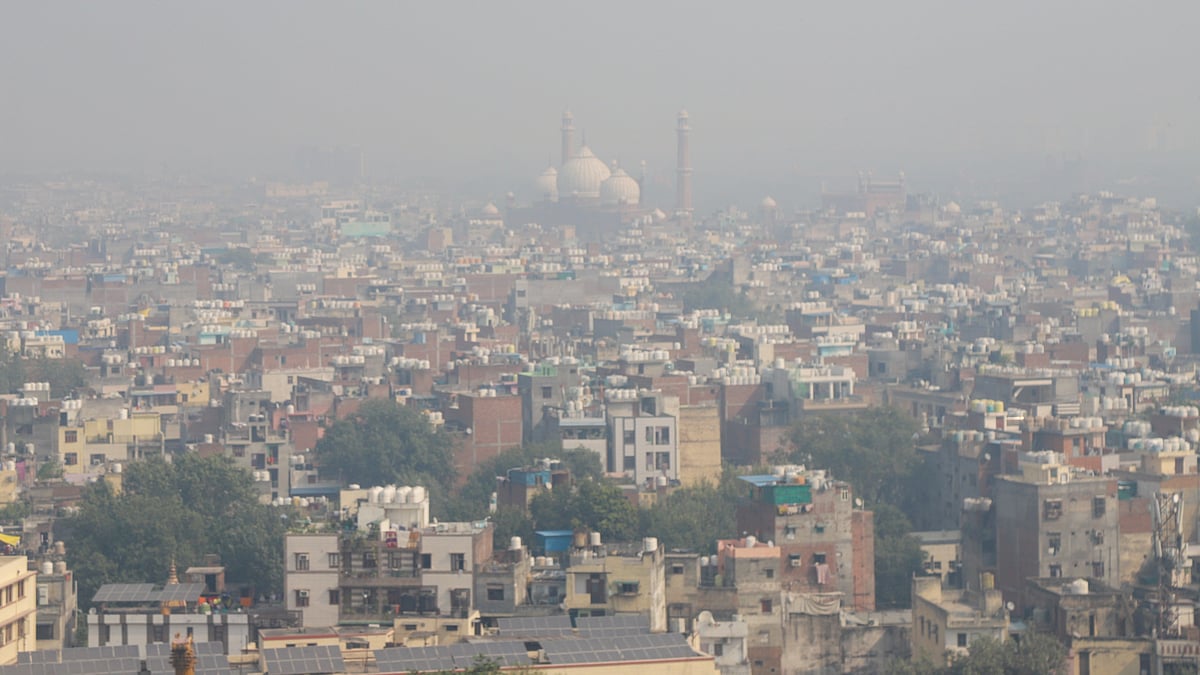
Delhi recorded its first ‘poor’ air quality day of the season, with the AQI reaching 247 on Wednesday evening.
CAQM imposed Stage I GRAP measures across Delhi-NCR as pollution levels rose.
Delhi Metro will run 20 additional weekday trips from Thursday and intensify dust-control measures at construction sites.
Delhi-NCR on Wednesday introduced Stage I measures under the Graded Response Action Plan (GRAP) after air quality in the capital deteriorated to the ‘poor’ category for the first time this season. The Delhi Metro Rail Corporation (DMRC) will operate 20 additional train trips on weekdays from Thursday to encourage commuters to use public transport.
The Commission for Air Quality Management (CAQM) said Delhi’s Air Quality Index (AQI), which stood at 179 in the ‘moderate’ category on 20 October, rose to 244 by 2 pm on Wednesday. The Central Pollution Control Board (CPCB) recorded an AQI of 247 at 7 pm.
The reading was Delhi’s highest in 100 days, with the last comparable level recorded on 13 July, when the AQI was 246. Forecasts from the India Meteorological Department and the Indian Institute of Tropical Meteorology indicated that air quality was likely to remain in the ‘poor’ category over the coming days.
Under Stage I of GRAP, authorities will enforce measures to curb pollution from construction, road dust, vehicles and other sources. The restrictions include a ban on coal and firewood in tandoors at hotels, restaurants and open eateries, while diesel generators are permitted only for emergency or essential purposes.
The DMRC said it would intensify pollution-control measures at construction sites and surrounding areas. These include clearing road dust, removing garbage from footpaths and road medians, and inspecting sites to ensure construction materials are properly covered and wheel-washing facilities for outgoing vehicles remain operational.
Around 31 km of roads are currently under the DMRC’s temporary jurisdiction for Metro construction. The corporation said most of these stretches had been repaired to prevent damaged roads from contributing to dust pollution. More than 250 anti-smog and mist guns have also been installed at construction sites, Metro stations and office buildings. The DMRC’s environment department is conducting daily inspections to check compliance with environmental norms.
Delhi recorded a maximum temperature of 32.1 degrees Celsius at Safdarjung on Wednesday, 0.5 degrees below the seasonal average. Palam recorded 29.5 degrees Celsius, while Lodhi Road and Ayanagar registered 31.8 degrees Celsius each. The minimum temperature at Safdarjung was 18 degrees Celsius.
The CPCB classifies AQI readings of 201–300 as ‘poor’, 301–400 as ‘very poor’ and 401–500 as ‘severe’. GRAP is a set of emergency measures introduced in stages to prevent further deterioration in air quality.
What GRAP-1 restrictions apply in Delhi-NCR?
Stage I of GRAP applies when Delhi’s AQI is in the ‘poor’ category, between 201 and 300. The measures include:
Construction dust: Dust-control measures at construction and demolition sites, including covering materials and preventing dust from spreading.
Road cleaning: Mechanised sweeping, water sprinkling and dust suppression on roads.
Waste burning: Enforcement against the open burning of garbage and other waste.
Tandoor fuel: Coal and firewood are prohibited as fuel in tandoors at hotels, restaurants and open eateries.
Diesel generators: Their use is restricted to emergency or essential purposes, subject to applicable norms.
Vehicle pollution: Authorities are to enforce pollution-under-control certificate requirements and action against visibly polluting vehicles.
Public transport: Commuters are encouraged to use public transport to reduce emissions from private vehicles.
These measures aim to prevent air quality from deteriorating further. Stage I does not, by itself, impose a blanket ban on private vehicles or schools.
Join our official telegram channel (@nationalherald) and stay updated with the latest headlines