Nation
‘Extraordinary inequality’: Telangana caste survey finds SCs, STs thrice as backward as general castes
State report finds 67% population more deprived than estimated; gaps seen in income, jobs, basic amenities
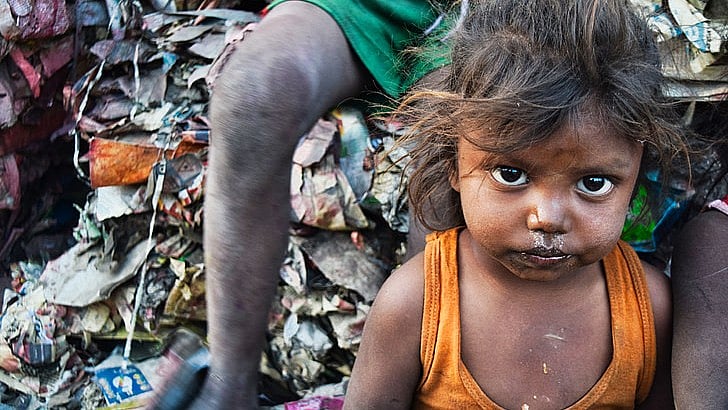
Telangana’s caste and socio-economic survey has revealed “extraordinary inequalities” across communities, with Scheduled Castes (SCs) and Scheduled Tribes (STs) found to be three times more backward than General Castes, according to the Composite Backwardness Index.
Backward Classes Welfare Minister Ponnam Prabhakar said Backward Classes (BCs) were 2.7 times more backward than General Castes, based on the index, where a higher score indicates greater deprivation.
67% population more backward than estimated
The survey found that 135 caste groups—accounting for nearly 67 per cent of the population—are more backward than previously assessed. The average statewide index score stood at 81.
Among communities:
The SC group Dakkal recorded the highest backwardness score at 116
The Kapu caste had the lowest score at 12
“The social and economic disparities are concerning,” Prabhakar said.
Stark income disparities
The findings highlight deep income inequality across caste groups. Over 78 per cent of households belonging to socially and economically backward castes earn about Rs 1 lakh annually. In contrast, more than 13 per cent of Other Castes report incomes between Rs 5 lakh and Rs 50 lakh per year.
Only 2.1 per cent of SC and ST households earn above Rs 5 lakh annually, underlining limited upward mobility.
Gaps in basic amenities
The survey also points to significant deficits in access to basic services:
21.2 per cent of the population lacks tap water at home
13.3 per cent of households have no toilet
5.8 per cent do not have proper electricity connections
Large sections continue to face challenges in accessing healthcare, housing and sanitation.
Employment, education gaps
The report shows stark differences in employment patterns. Around 50 per cent of SCs are engaged as daily wage labourers, compared to only about one-tenth among General Castes.
Similarly, just 5 per cent of STs hold private sector jobs, while more than 30 per cent of General Castes are employed in better-paying private sector roles.
The findings indicate that disadvantaged communities remain underrepresented in formal employment and continue to lag in education and skill access.
Survey scale and methodology
The report was prepared by the Independent Expert Working Group on Telangana Socio, Economic, Educational, Employment, Political and Caste (SEEEPC) Survey.
It covered over 3.5 crore households—nearly 97 per cent of the state’s population—and assessed 242 caste groups across 42 indicators, including income, education, occupation, land ownership and access to civic infrastructure.
The door-to-door survey began on 6 November 2024 and was completed in 50 days, followed by additional data collection.
Housing and debt concerns
The survey found that 63 per cent of households live in houses with two or fewer rooms, both in urban and rural areas.
It also highlighted that many families rely on high-interest loans from moneylenders, often falling into debt traps, particularly during medical emergencies.
Deputy Chief Minister Bhatti Vikramarka Mallu said the government would provide targeted benefits to the identified 135 caste groups, including support in education, employment and financial assistance based on need.
Population composition
According to the survey:
SCs account for 17.43 per cent of the population
STs constitute 10.45 per cent
BCs (excluding Muslim BC-E) make up 46.25 per cent
Among communities, the Madiga caste is the largest at 10.3 per cent, followed by Shaik Muslims (BC-E), Mudiraj (OBC) and Lambadis/Banjara (ST).
The findings underscore persistent structural inequalities in Telangana, with caste continuing to influence access to income, employment and basic services, despite economic growth.
Join our official telegram channel (@nationalherald) and stay updated with the latest headlines