Nation
In a first, SC allows passive euthanasia for man lying in coma for 12 years
The ruling came on a plea by parents of Harish Rana, who suffered severe head injuries after a fall from the fourth floor of a building in 2013 and has been in a vegetative state since then
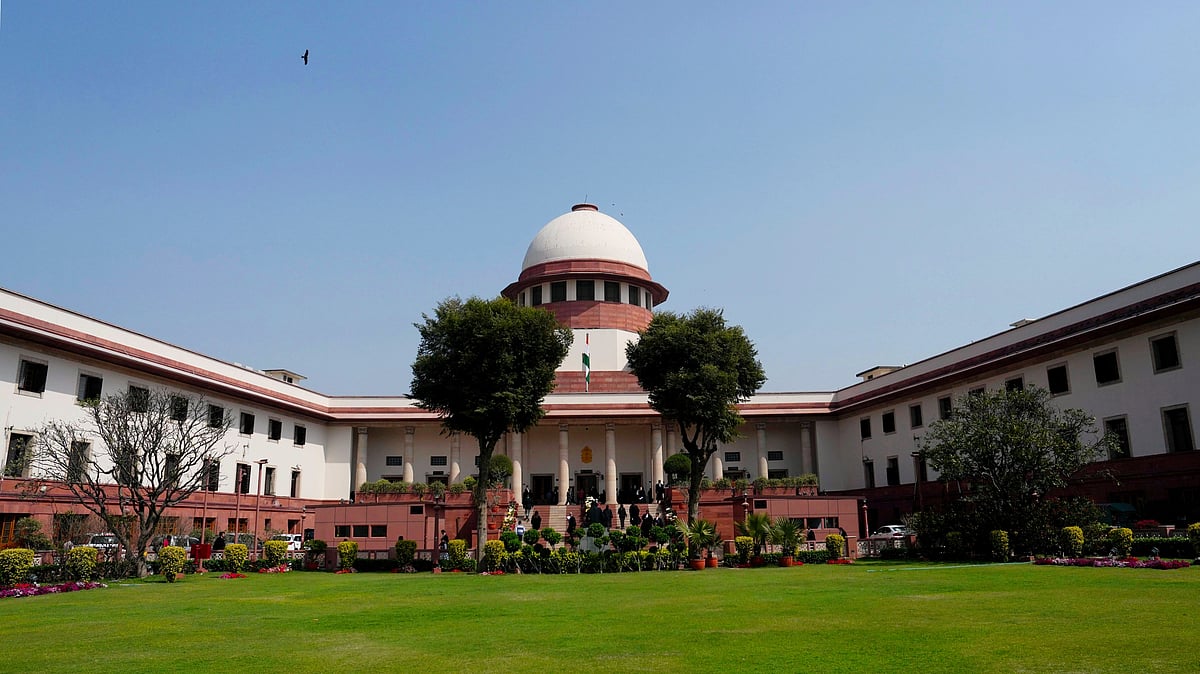
In a profoundly moving decision, the Supreme Court of India on Wednesday permitted passive euthanasia for a 32-year-old man who has remained in a comatose state for more than twelve years, allowing the withdrawal of artificial life support while ensuring that his final moments are handled with dignity and care.
The ruling came in the case of Harish Rana, who suffered severe head injuries after falling from the fourth floor of a building in 2013. The accident left him in a persistent vegetative state, and for more than a decade he has remained unconscious, sustained only by medical support, with doctors indicating that the chances of recovery are virtually nonexistent.
A Bench comprising justices J.B. Pardiwala and K.V. Viswanathan directed the All India Institute of Medical Sciences (AIIMS), New Delhi, to admit Rana into its palliative care facility so that the process of withdrawing life-sustaining treatment can be carried out in a carefully planned and humane manner. The court emphasised that the withdrawal must follow a tailored medical plan to ensure that dignity is preserved at every stage.
Behind the legal proceedings lies the quiet anguish of Rana’s ageing parents, who approached the apex court seeking permission to allow their son a peaceful end. In their plea, the elderly couple described the emotional and physical burden of watching their child lie motionless for years without hope of recovery.
They told the court that continuing artificial life support had only prolonged suffering, both for their son and for the family that has cared for him through the long, painful years.
During earlier hearings, the court had expressed a desire to meet the parents personally, acknowledging the gravity and emotional weight of their request. The bench also examined a detailed report on Rana’s medical history submitted by a secondary medical board from AIIMS-Delhi, describing the document as deeply “sad”.
The primary medical board, after examining Rana’s condition, concluded that the possibility of recovery was negligible. In an earlier observation on 11 December, the court noted that the report painted a heartbreaking picture, stating that the patient was in a “pathetic condition”.
The decision follows the framework laid down by the apex court in 2023 governing passive euthanasia. Under these guidelines, expert opinions from both a primary and a secondary medical board are required before life support can be withdrawn from a patient in a vegetative state.
With both medical panels confirming the absence of meaningful prospects for recovery, the court ultimately allowed the withdrawal of artificial life support, directing that the process take place under palliative care supervision so that the patient’s final passage is marked not by suffering but by dignity.
The ruling once again brings to the fore the sensitive ethical questions surrounding passive euthanasia — the act of allowing a person to die naturally by withholding or withdrawing life-sustaining treatment — while reaffirming the court’s emphasis on compassion, dignity, and humanity in the face of irreversible suffering.
With PTI inputs
Join our official telegram channel (@nationalherald) and stay updated with the latest headlines