Nation
‘SC laws completely disregarded’: CJP lawyer on arrest of Saurav Das, Ranka
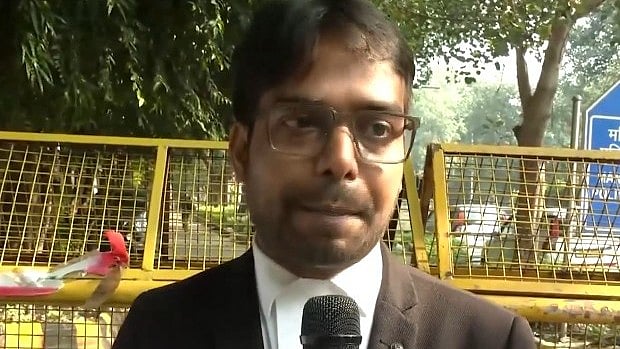
Lawyer Abhisht Hela alleged that the order disregarded Supreme Court guidelines and was based on presumptions
CJP leaders Saurav Das and Ashutosh Ranka were sent to five-day judicial custody, while Ajinkya Shinde was released on a personal bond in the Jantar Mantar case
Their lawyer, Abhisht Hela, alleged that the order disregarded Supreme Court guidelines and was based on presumptions
The leaders were detained for allegedly breaching barricades and protesting against the ECI’s SIR process at Jantar Mantar, recently denotified as a designated protest site
Cockroach Janta Party (CJP) leaders Saurav Das and Ashutosh Ranka have been sent to five days of judicial custody in connection with the Jantar Mantar trespassing case, while party member Ajinkya Shinde has been released on a personal bond. The development came on Wednesday after the three were produced before a magistrate in New Delhi.
Advocate Abhisht Hela, who represents the three CJP leaders, criticised the order, alleging that established legal principles and Supreme Court guidelines had been disregarded.
Speaking to IANS, Hela said Das and Ranka had been remanded to judicial custody for five days. He added that he was unaware of the facility where they would be lodged during this period.
Questioning the proceedings, Hela argued that the order had been passed without proper judicial application of mind. He also raised concerns about the authority exercising powers in the case, claiming that the officials serving as Special Executive Magistrates (SEMs) were senior police officers rather than judicial magistrates.
"The laws laid down by the Supreme Court have been completely disregarded," Hela said, alleging that the decision was based on apprehensions about what the accused might do in the future rather than established conduct.
The lawyer further claimed that the authorities had acted on presumptions while deciding to send Das and Ranka to judicial custody.
Referring to the slogans raised during the protest and the waving of the national flag, Hela described the action against the leaders as deeply distressing. These remarks represent the defence's position on the case.
The three CJP members were detained on Tuesday after allegedly crossing police barricades and entering Jantar Mantar, which had recently been removed from the list of designated protest venues.
They were protesting against the Election Commission of India (ECI) over alleged irregularities in the Special Intensive Revision (SIR) of electoral rolls. During the demonstration, they allegedly raised slogans against chief election commissioner Gyanesh Kumar while attempting to cross the barricades.
Police booked the three on charges including trespassing, violation of bond conditions and obstructing public officials from discharging their duties. They were subsequently produced before a magistrate at Mandir Marg in New Delhi on Wednesday morning.
The latest action follows an earlier protest on 10 October, in connection with which CJP founder Abhijeet Dipke, along with Das and Ranka, was released after furnishing a bond of Rs 50,000.
The release was subject to a condition that they would not be involved in any breach-of-peace cases for one year. Police have now accused Das and Ranka of trespassing and violating the conditions of their earlier bonds, treating them as repeat offenders.
Delhi Police announced on 12 October that Jantar Mantar would no longer serve as a designated protest site. The decision followed new protest guidelines issued under Delhi Police Standing Order No. L&O/48/2026, based on recommendations from a committee of the Union Home Ministry.
Under the revised arrangements, three locations have been designated for protests: Ramlila Ground, Burari Ground and CBD Ground in East Delhi.
The CJP and its supporters have opposed the move, arguing that relocating demonstrations away from the national capital's political centre could reduce the visibility of public dissent.
The case has brought renewed attention to the rules governing protests in Delhi, the enforcement of preventive measures and the legal safeguards available to those detained during demonstrations. The allegations made by the police and the objections raised by the defence remain central to the ongoing proceedings.
With IANS inputs
Join our official telegram channel (@nationalherald) and stay updated with the latest headlines